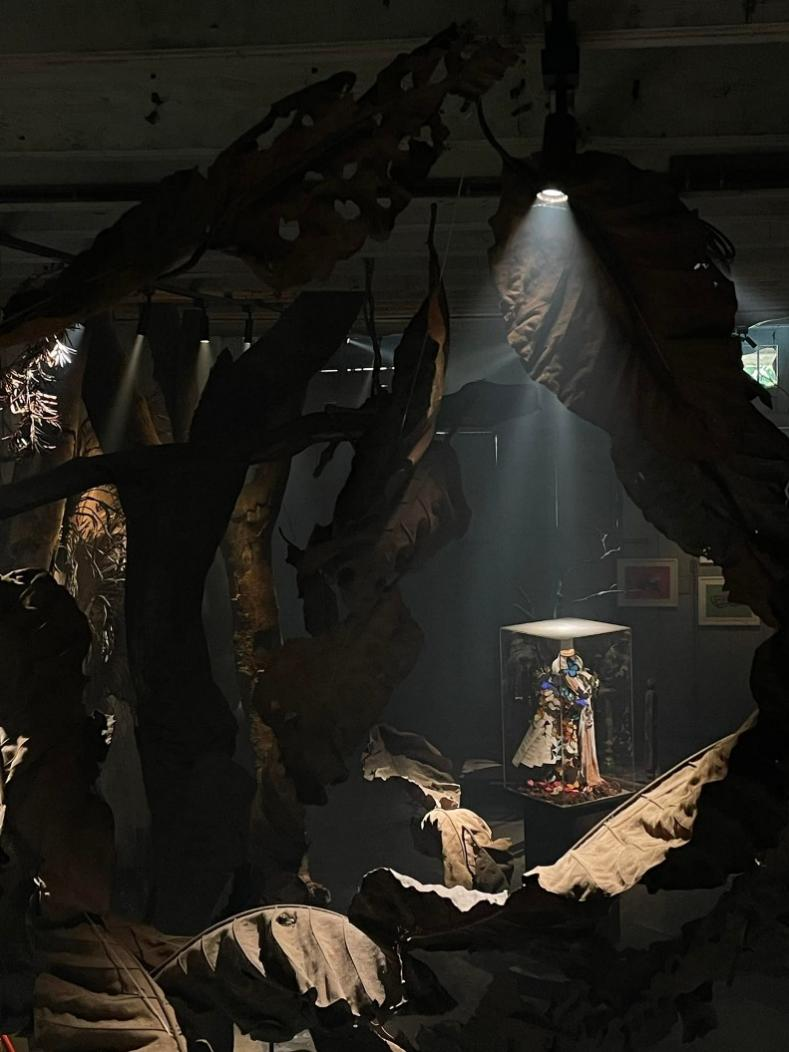
Butterfly Museum in Ipoh Welcomes Visitors

By Owen Lee
Most people in Ipoh don’t know this. Just 15 minutes from the city centre, in Kampung Kepayang, sits a quiet, family-run space called Museum Tanahsahi. This butterfly museum is named after a rare female species that made scientific history nearly 50 years ago.
The Tanahsahi butterfly, a subspecies of Papilio memnon agenor, was first discovered by the late Mr. Tan Ah Sah on 22 February 1975 in the hills near Gopeng, about 800 ft above sea level. Mr. Tan could not find the butterfly in any reference books, so he reached out to entomologists at the University of Liverpool.
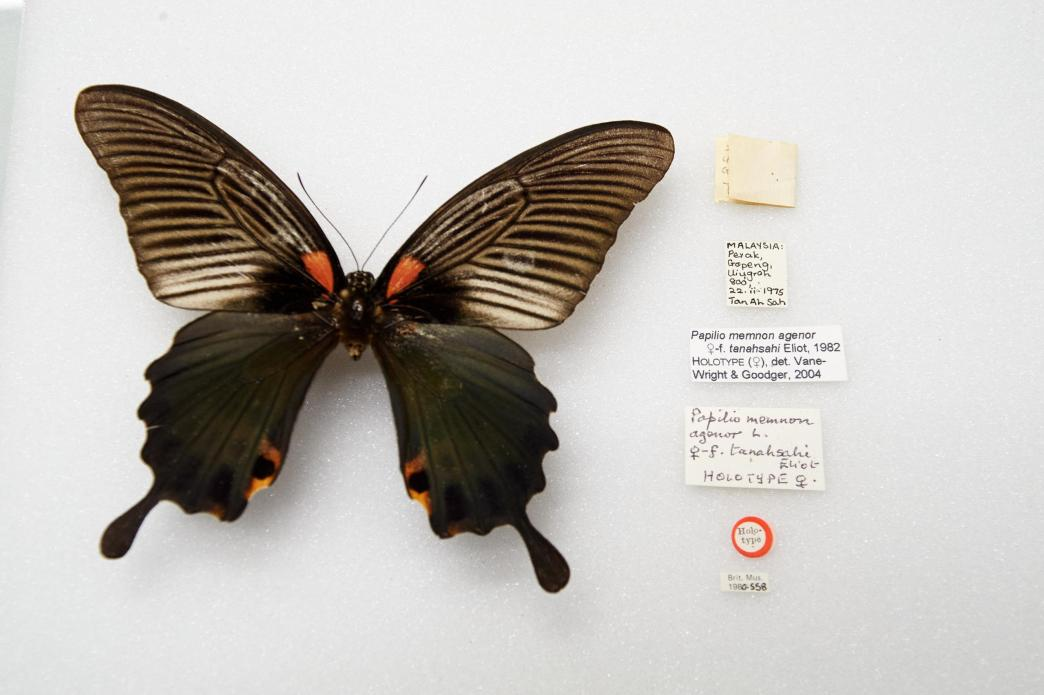
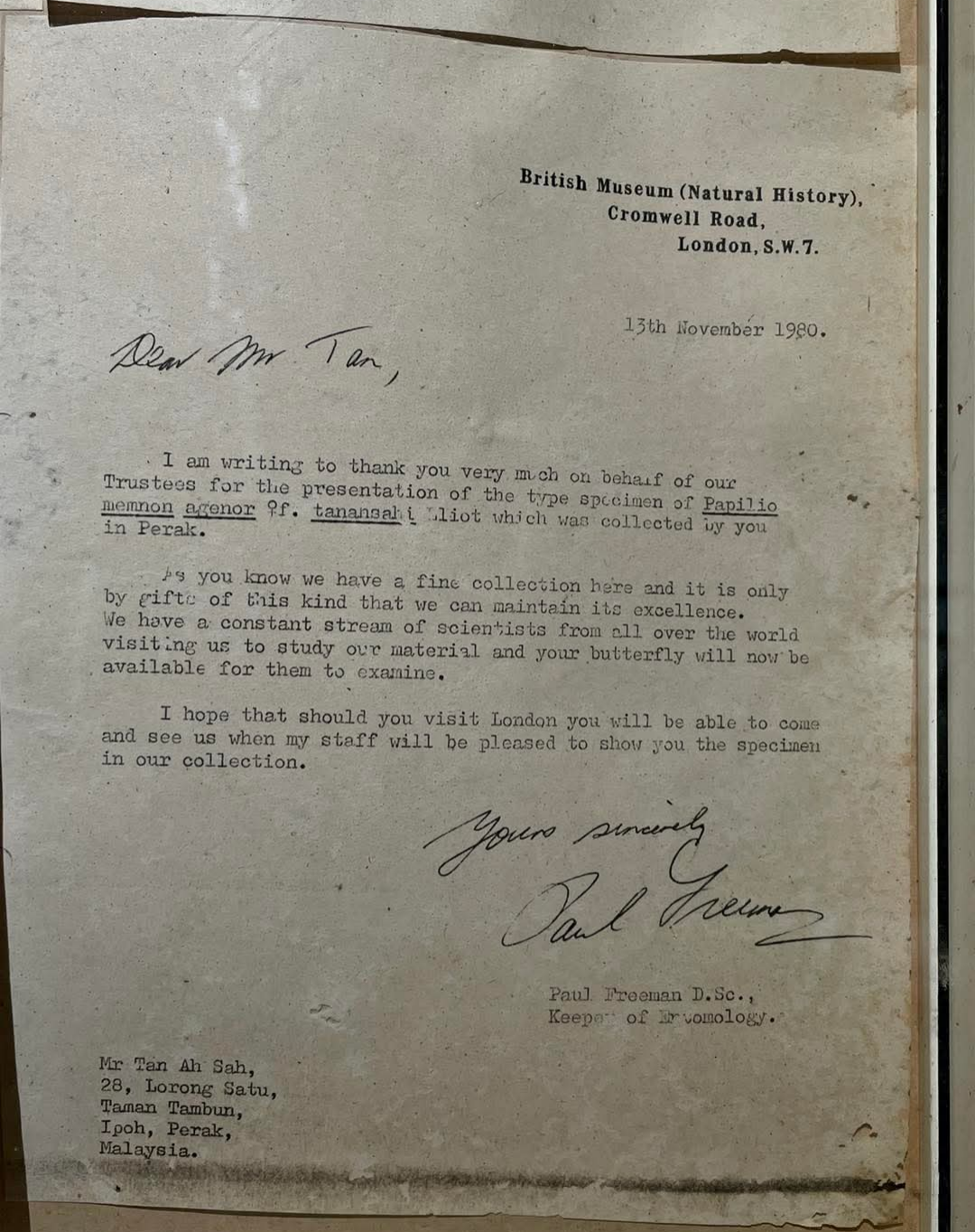
In 1980, he sent the carefully preserved specimen to the British Museum to ensure proper study. That butterfly remains in their permanent collection today and continues to be a reference point for researchers worldwide.
Entomologist Dr. F. M. M. Clarke later confirmed it as a new form of the female Papilio memnon agenor. That same year, Colonel J. N. Eliot, a senior expert at the British Museum, officially named the butterfly Tanahsahi, blending Mr. Tan’s surname with his Chinese name, Ah Sah.
In the 1970s, Mr. Tan ran a well-known souvenir factory that produced resin-encased butterflies and insects for the tourism market. After the business closed in 2000, the building remained vacant until his son, Steve Tan, saw an opportunity to honour his father’s work.
A photographer and trained lepidopterist, Steve converted the space into Museum Tanahsahi, which is now open to the public.
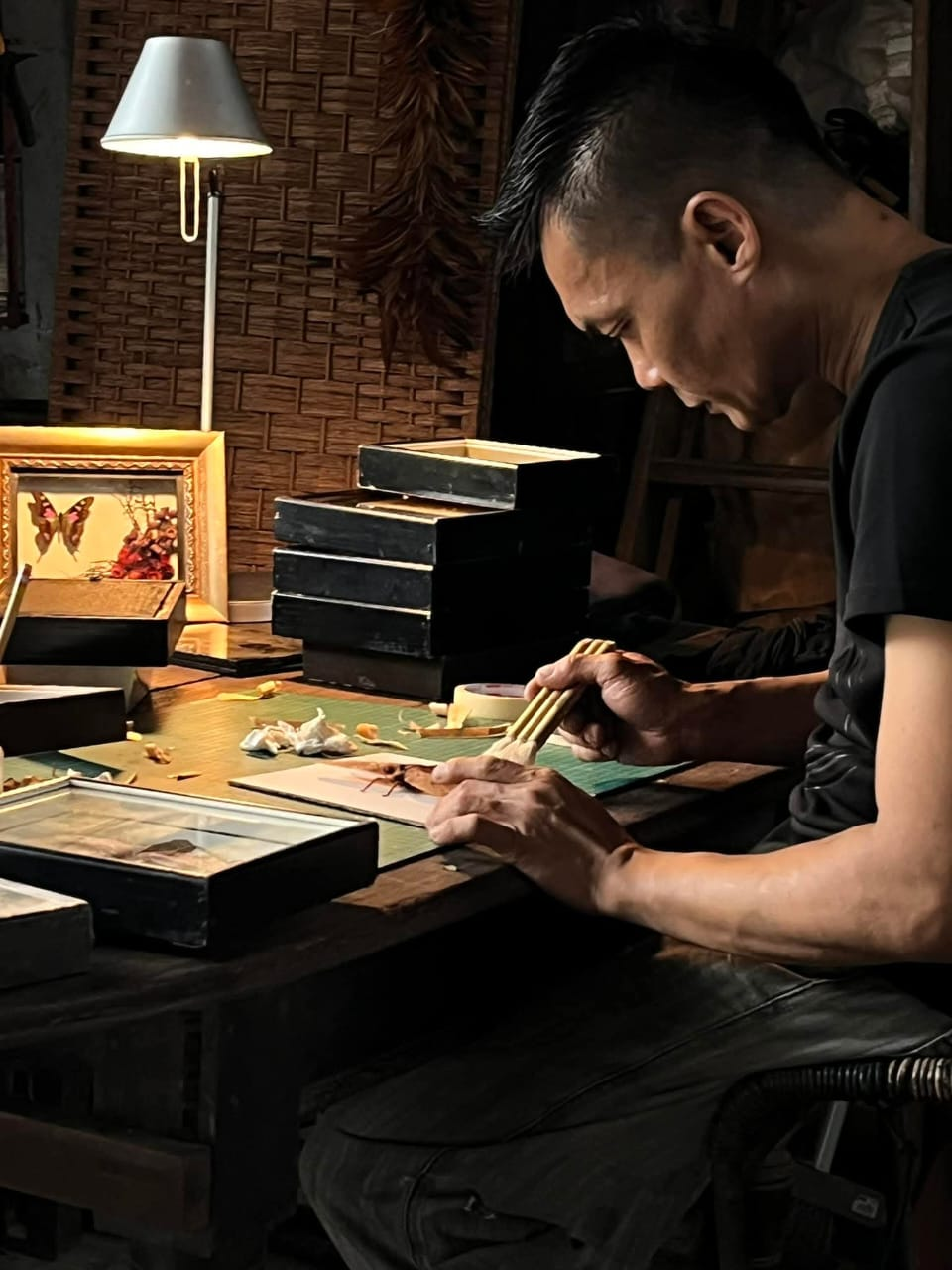
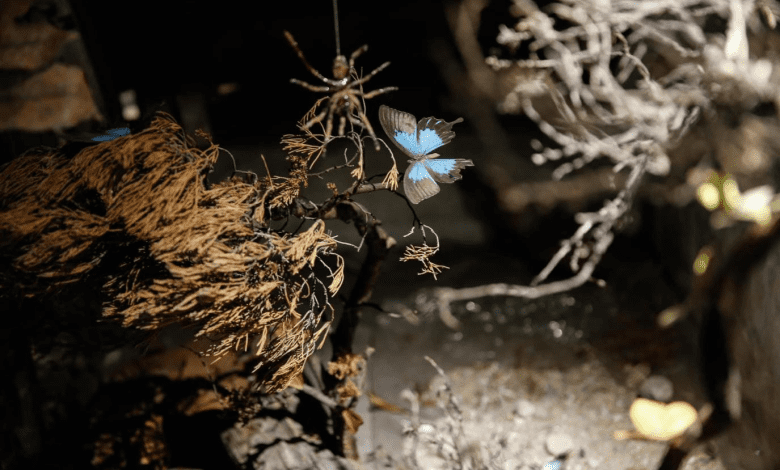
The museum now displays over 30,000 preserved butterflies and insects, including species from Malaysia and rare specimens obtained through scientific exchanges. Steve says the displays aim to spark curiosity and respect in visitors of all ages.
“People come to see beautiful butterflies, and that’s exactly what they’ll find,” Steve says. “But beyond the colours and wings, there is a story of transformation, biodiversity and survival. I hope visitors leave feeling more connected to nature and more curious about what we often take for granted.”
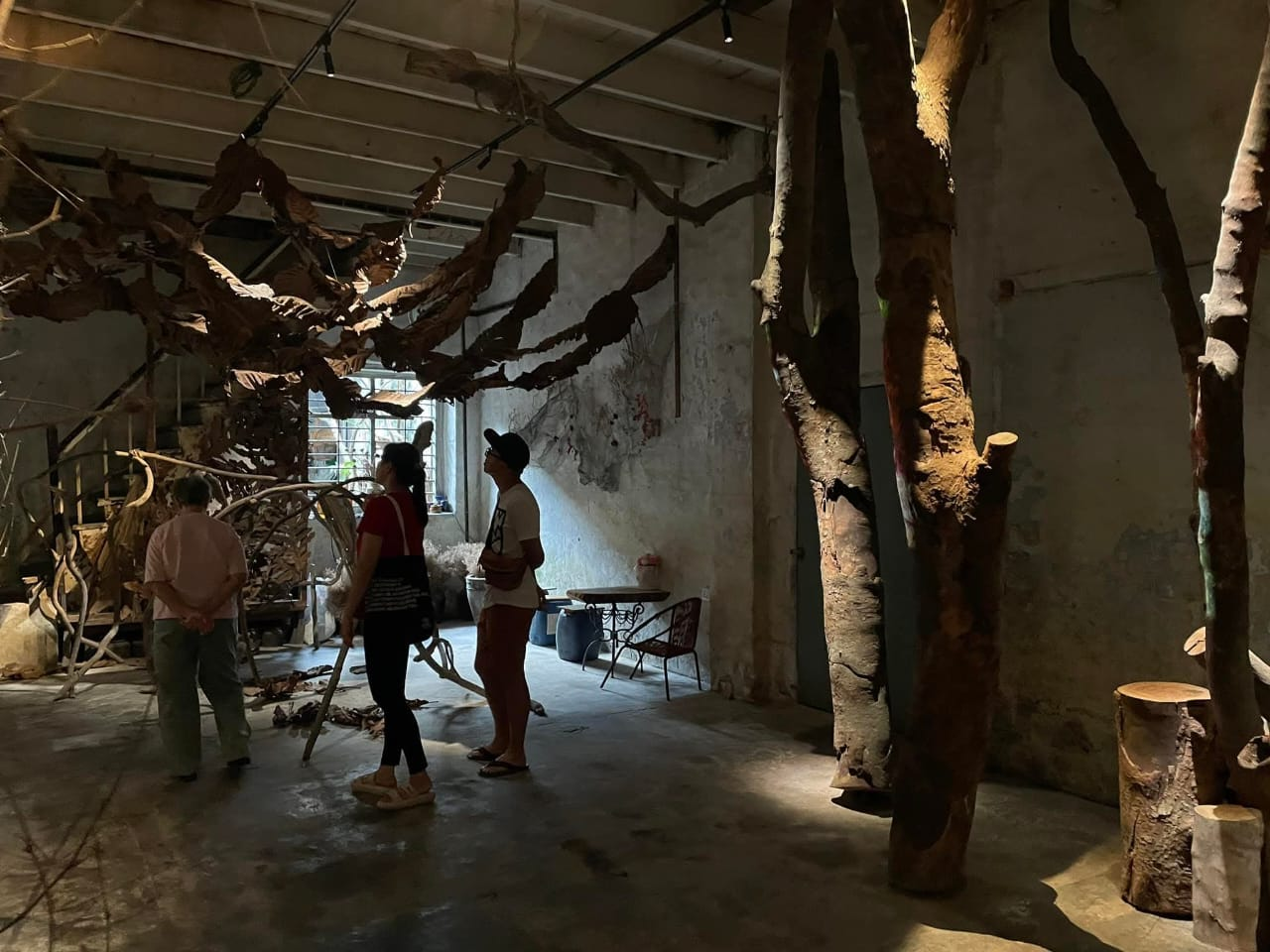
The museum’s environment is carefully controlled. Fans run all day to keep humidity steady and prevent moisture damage, while the lighting is deliberately kept soft to avoid fading the colours and drying out the fragile wings of the specimens.
Families often leave with a sense of wonder and a new appreciation for butterflies. These insects play an important role in nature as quiet indicators of environmental health. Their presence, or lack thereof, can show us how healthy our environment really is.
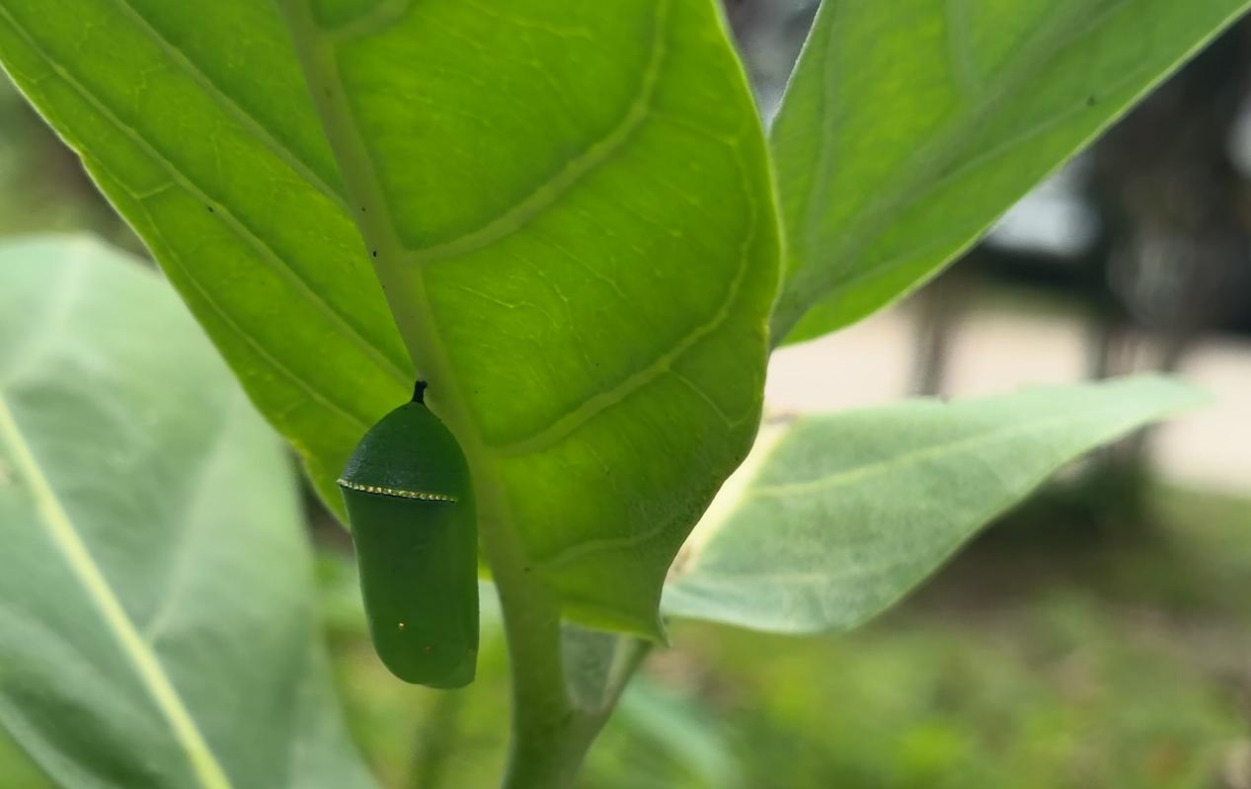
“Most people squash a caterpillar without a second thought,” Steve says. “But if you gave it time, you would see it become something extraordinary. That small act of patience could mean one more butterfly in the world.”
📍 Visit Museum Tanahsahi
23, Jalan Besar Kg. Kepayang, 31300 Ipoh, Perak (off the old trunk road toward Gopeng)
🕒 Opening Hours
- Weekday by appointment. (Monday & Tuesday off.)
- Friday to Sunday: Walk-ins welcome
📞 Call Steve Tan at 016‑889 9100
🎫 Admission
RM15 (🧑 Adults) RM8 (👧 Children under 12)
📲 Facebook & Instagram: @tanahsahi_museum