By Yashila Issabelle
IPOH — Quest International University (QIU) hosted its Communication Expert Series on Wednesday, 13 August 2025, featuring Dr. Thaera O’Brien from Deakin University, Australia.
Dr. O’Brien, an Associate Lecturer at Deakin’s School of Communication and Creative Arts, has more than 15 years of teaching experience in Malaysia, New Zealand, and Australia.
She holds a PhD in Communication from the University of Otago and was previously honoured with the Outstanding Performance Award at Taylor’s University for her contributions to education.
Her talk, titled “Public, Personal, Performed: Your Online Identity in the Spotlight”, highlighted the importance of digital identity in today’s world.
“It’s no longer about your name but reputation,” Dr. O’Brien told the audience, stressing how online presence shapes the way people are seen and remembered.
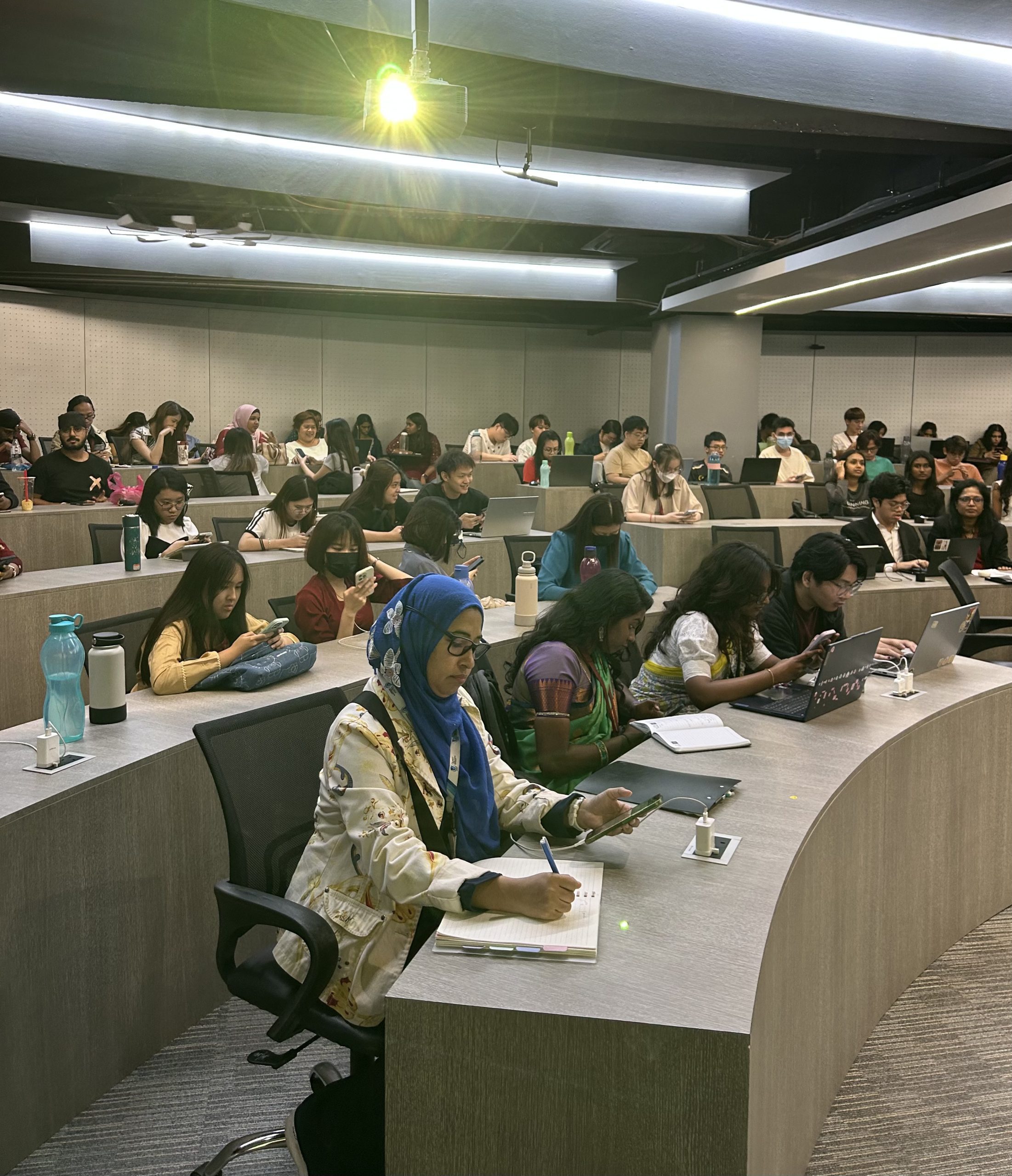
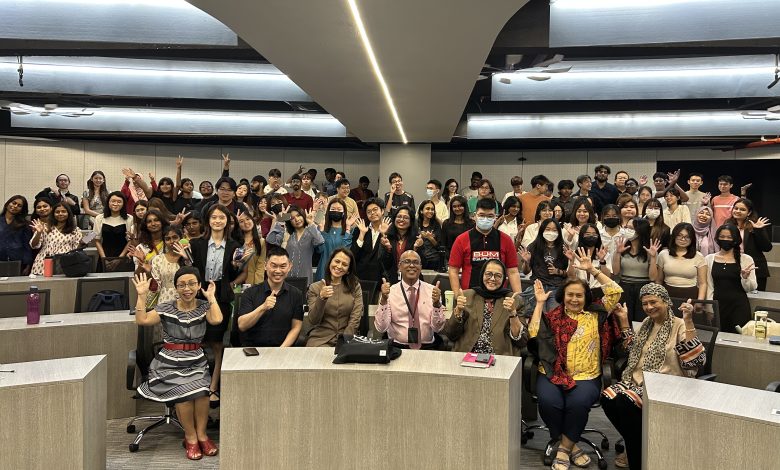
The session drew over 110 students from the School of Communication and the Foundation in Arts programme.
Ipoh Echo was thrilled to be amongst the invited.
Emcee Lim Pei Ying (20), a first year Corporate Communication student, opened the event, followed by a welcome speech from Mr. Edward Koh, Head of the School of Communication.
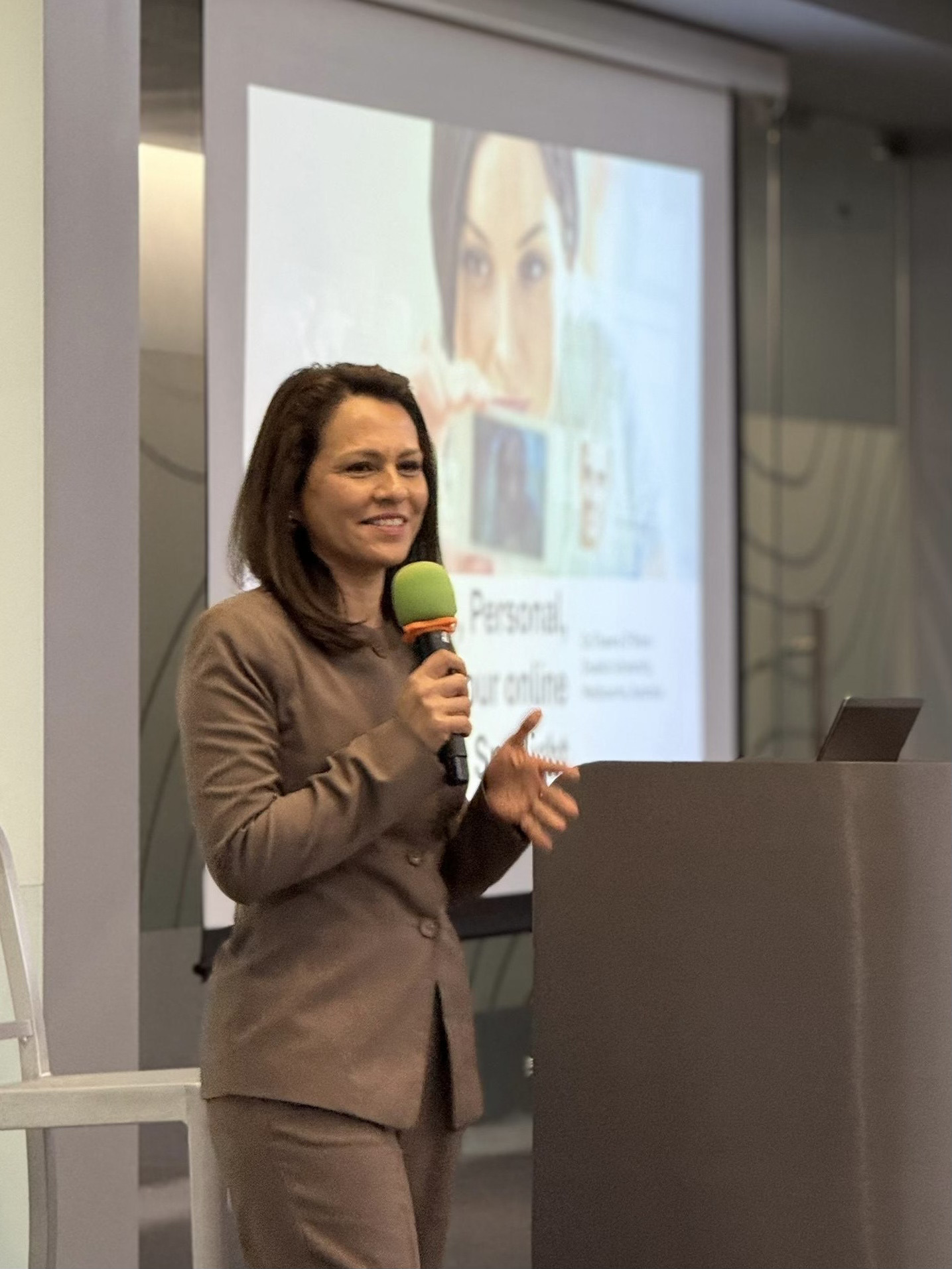
During her presentation, Dr. O’Brien explained how digital identity connects to celebrity culture and why it matters for students today.
She highlighted that online identity is an ongoing performance, not a fixed self, but rather something people perform differently in various social settings.
She added that this performance is strongly shaped by celebrity culture and media exposure, which influence how individuals choose to present themselves online.
To illustrate her point, she drew on global examples including Greta Thunberg, Malala Yousafzai, and anti-bullying activist Lizzie Velásquez.
She also referred to the work of Professor David Marshall, a communications scholar known for his research on media and identity.
Marshall’s concept of “layered identities” suggests that people present different sides of themselves depending on their audience such as friends, family, or employers.
Dr. O’Brien encouraged students to reflect on which “layer” they are comfortable showing online.
The talk was made lively with interactive activities, including an online “identity inventory” where students reflected on their social media use, Menti-based real time students engagement, and a Padlet-based reflection on lessons learned.
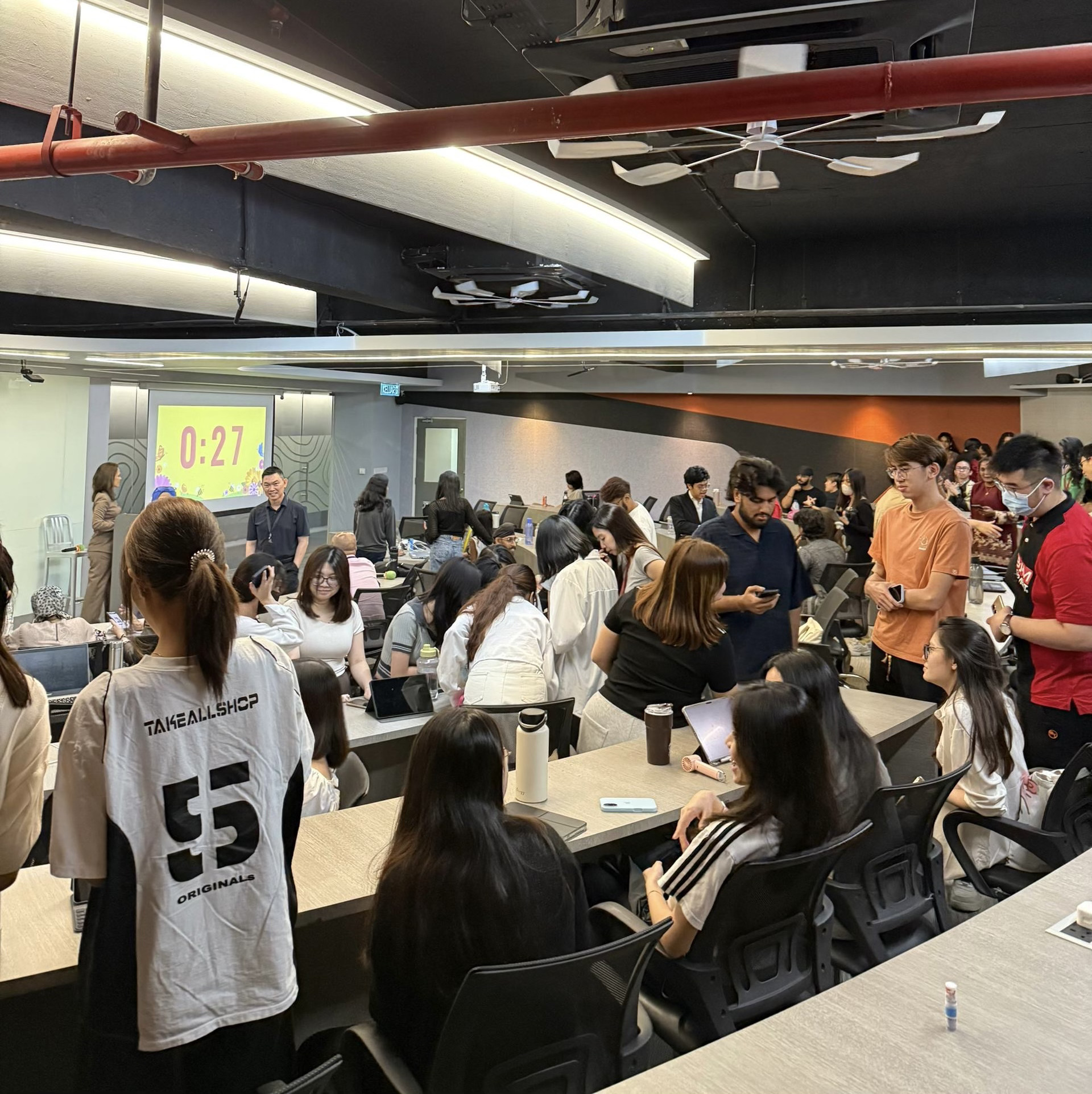
These activities encouraged students to think critically about how they present themselves online and the choices they make when shaping their digital identity.
She also shared her own example: she chooses to maintain only a LinkedIn account, keeping her professional identity clear and focused.
She encouraged students to reflect on the type of identity they want to project online, and what it means for their personal brand.
The session ended with a lively Q&A, where students raised thoughtful questions about navigating online spaces.
One student asked how to deal with backlash when being authentic online and where to draw the line between transparency and privacy.
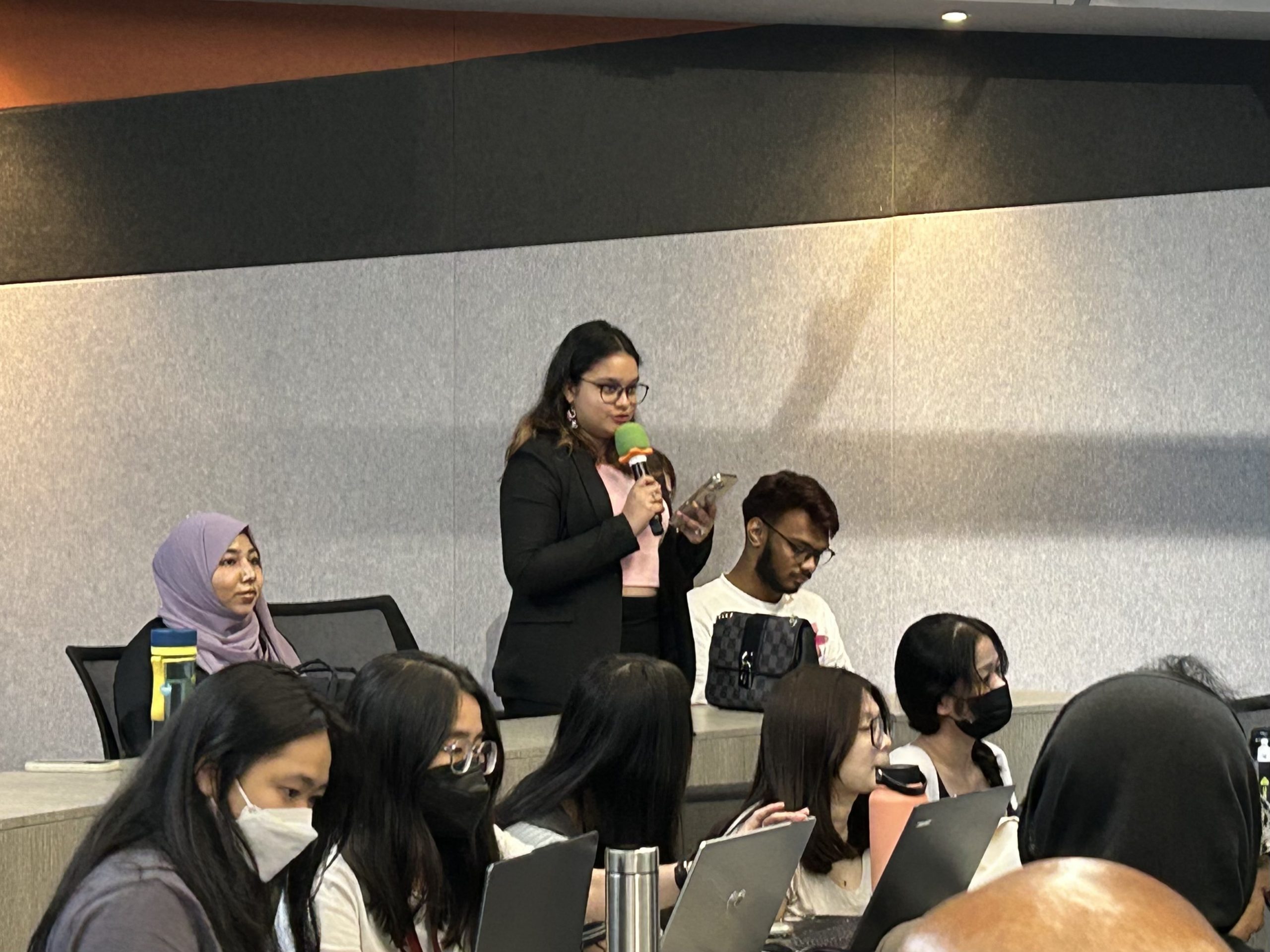
Dr. O’Brien reminded them that “you need to draw that perimeter yourself and remember when you’re vulnerable, people can attack you.”
She explained that while she chooses to stand publicly for gender equality despite criticism, she keeps other parts of her life private.
“We all wear different masks,” she said, adding that the key is deciding which aspects of yourself you are comfortable showing and willing to defend.
Students also asked about the most common mistakes people make when building their digital identity.
Dr. O’Brien pointed out that oversharing is the biggest pitfall.
“Remember, whatever you put online cannot be deleted,” she warned, stressing the importance of thinking about what “mask” to wear depending on the platform and the audience.
When asked if it is better not to have any online identity at all, she was clear: in today’s world, a digital presence is essential.
For students especially, a professional online brand could make the difference when employers search for them.
Although she personally doesn’t enjoy posting, her role as an academic requires her to stay visible on platforms like LinkedIn and Twitter.
“It’s part of the landscape now,” she said.
Finally, a question on whether authenticity can survive backlash drew one of her strongest messages: authenticity means staying true to your values, even when others disagree.
Using climate activism as an example, she encouraged students to be brave enough to stand firm.
“There will always be opposition,” she said.
“But if it’s something you believe in, you have to stay true to yourself.”
In her closing remarks, Dr. O’Brien praised QIU students for being engaged and enthusiastic, saying they lived up to the strong reputation she already had of Malaysian students.
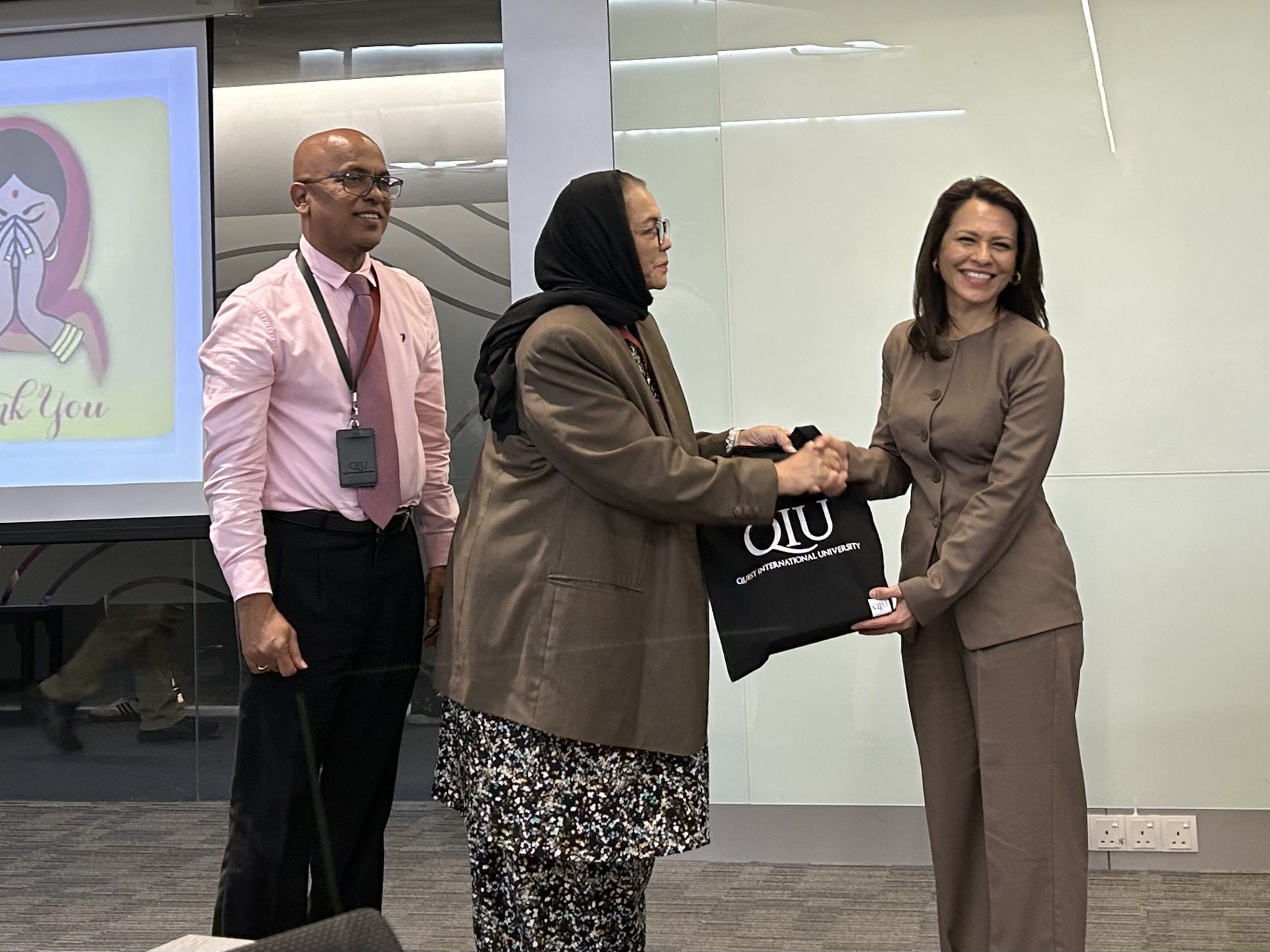
The event wrapped up with a token of appreciation presented by Prof. Zita Mohd Fahmi, Vice-Chancellor of QIU.