Doctors Raise Alarm Over Rising Pressures in Private Healthcare

By Yashila Issabelle
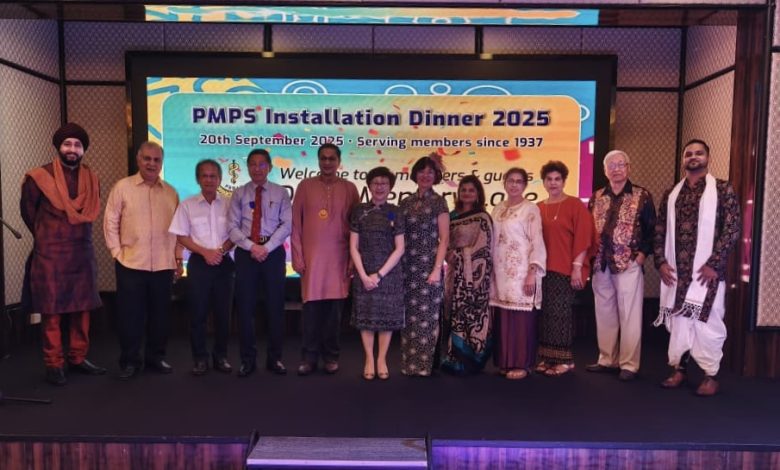
Ipoh – The Perak Medical Practitioners’ Society, in conjunction with its biennial Installation Dinner 2025, recently held a press conference where private general practitioners (GPs) voiced growing concerns over outdated policies and new regulations that they say are straining Malaysia’s clinic system and, in the long run, could affect patients’ access to care.
At a press conference, doctors highlighted two main frustrations: consultation fees that have remained unchanged for more than three decades, and the growing role of third-party administrators (TPAs) in deciding what treatment patients can receive.
“We are not afraid of transparency,” Dr Nantha Kumar A Gunaratnam noted, referring to the government’s new rule requiring clinics to display medicine prices starting May 1, 2025.
“But we are worried that people will see us as traders instead of professionals.
Our role is to diagnose, treat, and care for patients, not run a retail shop”, the GPs expressed.

Doctors said the new rule, introduced under the Price 8Control and Anti-Profiteering Act 2011, could confuse patients who see itemised bills and assume they are being overcharged.
More worrying, they added, is that such measures are being overseen by the Ministry of Domestic Trade, rather than the Health Ministry, which many feel should be guiding healthcare reforms.
Another key pressure point is consultation fees.
GP charges remain capped between RM10 and RM35, a rate set in the 1990s.
While the cost of rent, medicine, utilities, and staff salaries has risen steadily, fees have not been adjusted.
Some doctors revealed they charge as little as RM20 under certain contracts, far below what they consider sustainable.
With inflation and the rising cost of living, GPs are calling for gradual revisions, between RM50 and RM150 per visit, to reflect today’s realities.
Without an update, they warn, many small-town clinics could struggle to survive, pushing more patients into already overcrowded public hospitals.
Third-party administrators, or TPAs, were also cited as a source of strain.
These companies manage employee medical claims for insurers, but GPs say they often delay payments for months or even years.
To cope, some clinics raise medicine prices by 25–30%, sometimes even higher than retail pharmacies, unintentionally passing the burden to patients.
Doctors also expressed frustration that TPAs sometimes dictate what treatments or medicines can be prescribed, limiting the use of newer but more effective drugs.
“When someone else tells us what to give and what not to give, it humiliates the profession,” one GP said.
Underlying these concerns is a larger trend: fewer young doctors are entering practice.
According to Health Ministry data, the number of medical graduates with provisional registration from the Malaysian Medical Council dropped by nearly half between 2017 and 2022.
Doctors believe the combination of low fees, red tape, and external pressures could worsen the shortage if not addressed.
Their call is not for sudden change, but for balanced reform, one that updates fees, reduces overlapping rules, and ensures the Health Ministry takes the lead in guiding policy.
“Without thoughtful reform,” one GP concluded, “we risk losing the community clinics that people rely on as their first point of care.”
“Doctors stressed that their call is not for special treatment, but for fairer policies that allow clinics to continue serving their neighbourhoods.
They urged authorities to work more closely with medical associations to find solutions, ensuring that patients can continue to receive affordable, quality care in their own communities.”