By Zaki Salleh
TAIPING: The leadership of prominent figures such as Tengku Menteri Ngah Ibrahim proves that an organized administrative system had already existed in Perak long before the arrival of the British colonizers.
As the ruler of the Larut district — which included areas such as Krian, Kuala Beruas, and Bukit Berapit — Ngah Ibrahim had already established a structured administration, as modern police force, a judicial system, and a well-managed port.
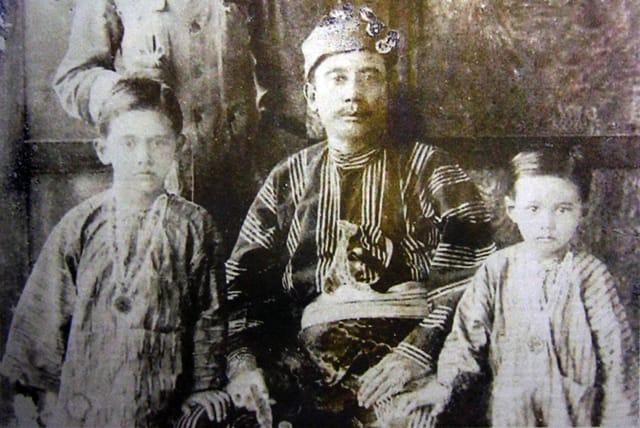
Historical records also show that Ngah Ibrahim and his administration were adept in conducting international trade, particularly through the export of tin ore, which was a vital commodity at the time.
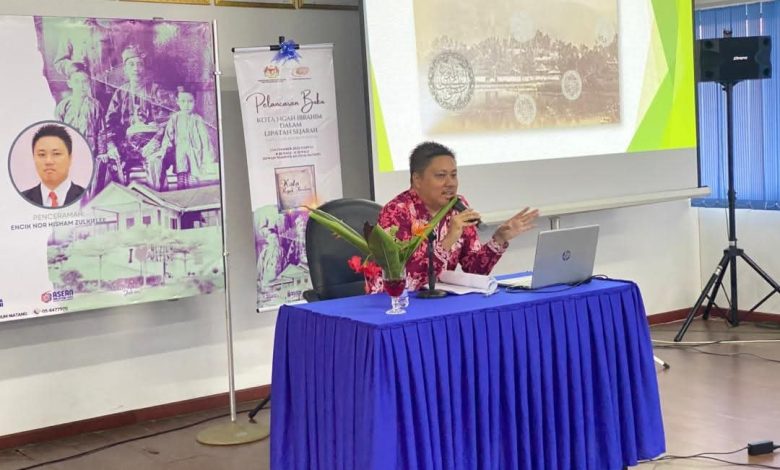
These facts were among those presented during the Seminar in Commemoration of Tengku Menteri Ngah Ibrahim’s Struggle, delivered by researcher and Secretary of the Perak Heritage Association, Nor Hisham Zulkiflee, at the Matang Museum here.
The seminar was held in conjunction with two significant anniversaries — the 150th anniversary of the assassination of Perak’s first British Resident, J.W.W. Birch (1875–2025), and the 130th anniversary of Tengku Menteri Ngah Ibrahim’s passing (1895–2025).
The event also featured the launch of the book Kota Ngah Ibrahim dalam Lipatan Sejarah (Ngah Ibrahim Fort in the Pages of History).
Nor Hisham emphasized that behind Birch’s assassination, many are unaware that Tengku Menteri Ngah Ibrahim — the key figure in the anti-British movement in Perak — actually employed diplomacy and legal means to defend the state’s sovereignty.
“For the Malay warriors of Perak, who were known for their courtesy and refinement, killing was the last resort,” he said.
“Birch merely became a scapegoat to enable the British to seize control of Perak, while Tengku Menteri Ngah Ibrahim became a victim of British politics, exiled to a distant foreign land until the end of his life,” he added.
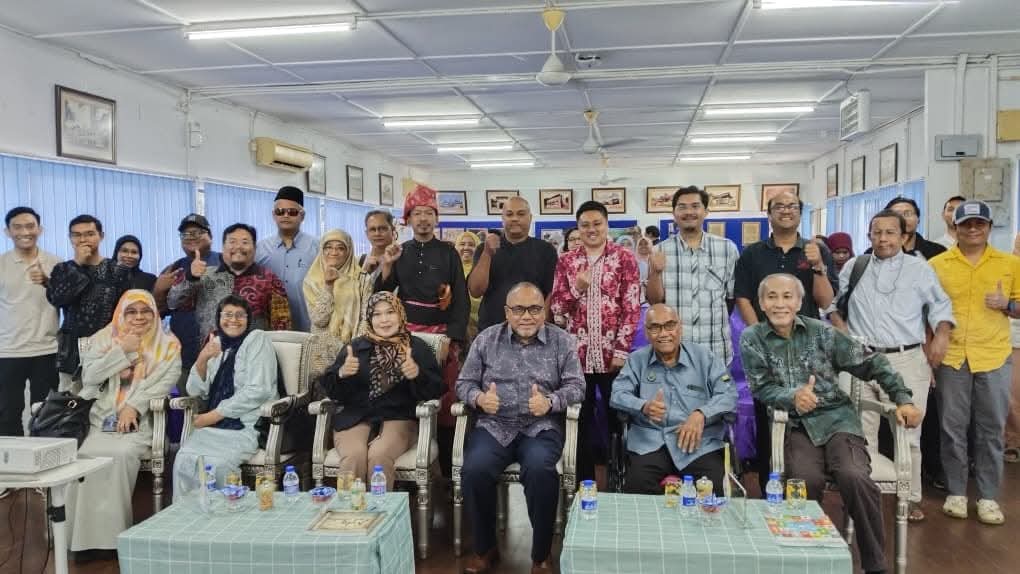
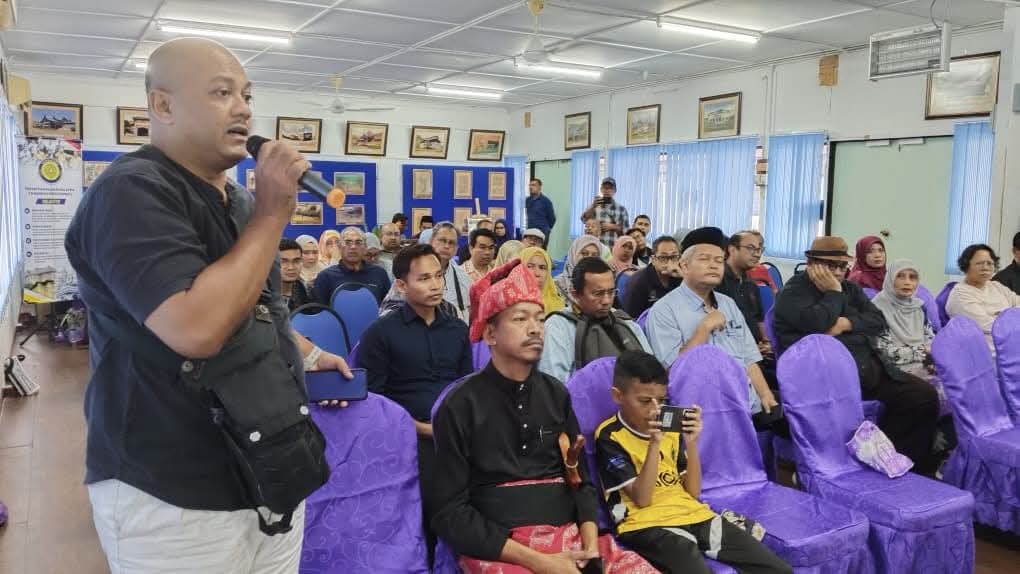
The event was officiated by the Speaker of the Perak State Assembly, Dato’ Mohammad Zahir, and attended by the Orang Besar Jajahan Larut Matang, Dato’ Hj Wan Mohd Isa, along with descendants of Ngah Ibrahim.
More than 60 participants, mainly history enthusiasts, attended the seminar.