By Zaki MS
(Original text and photo credit: Pemerhati Lembah Kinta 近打谷监测站 Kinta Valley Watch)
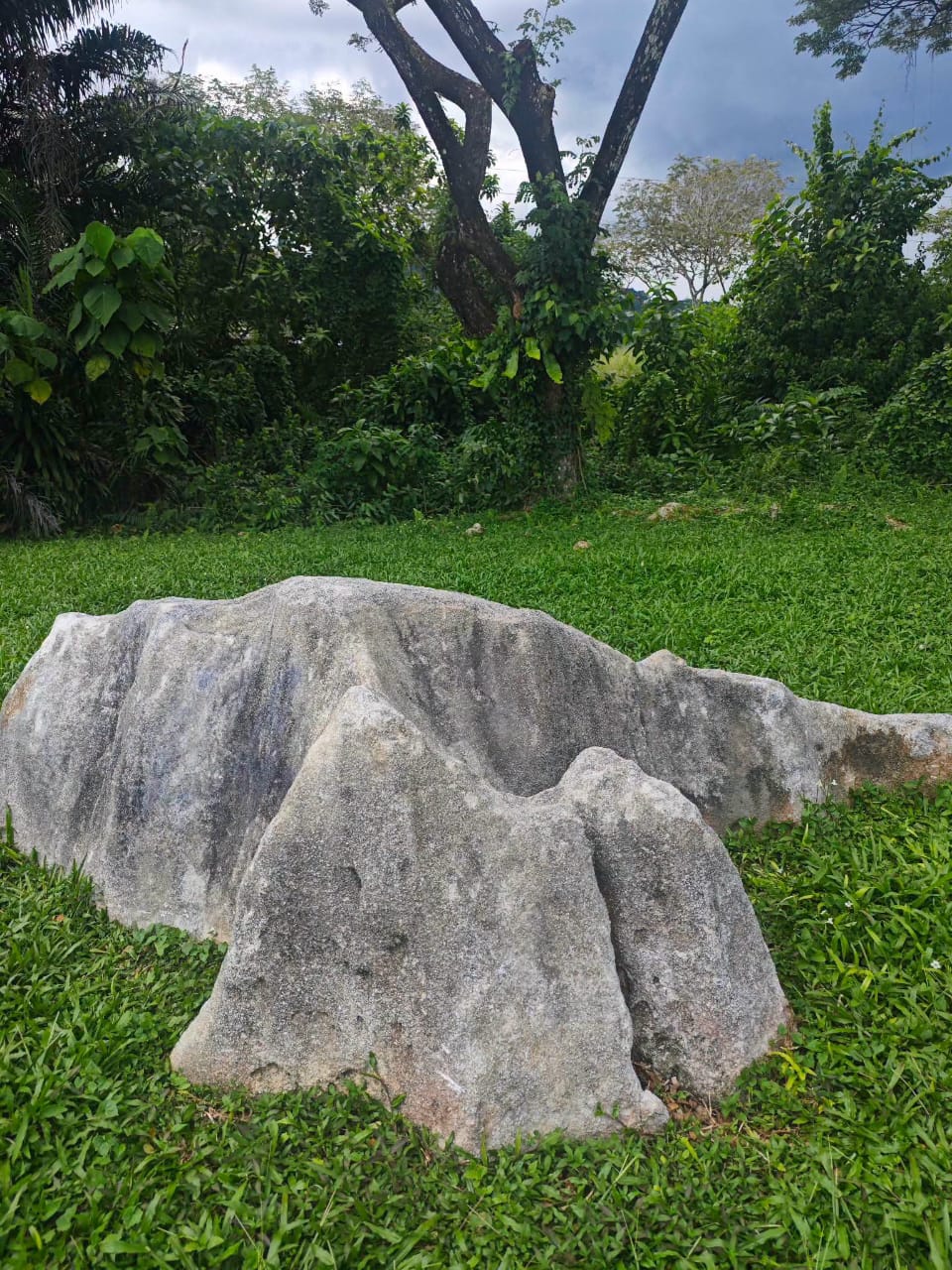
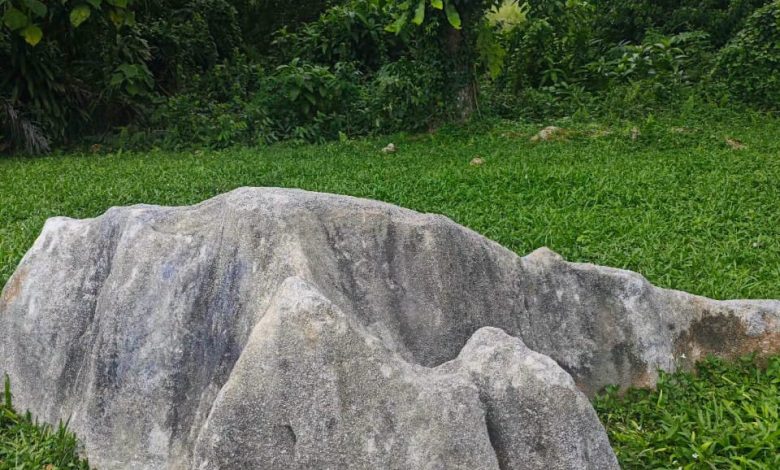
IPOH – The limestone pinnacle formations in Taman Rishah, Silibin, are among the natural geological remnants that showcase the unique karst topography of the Kinta Valley.
Photographs of these unique and remarkable geological formations were shared on the Facebook page of environmental NGO, Pemerhati Lembah Kinta (Kinta Valley Watch).
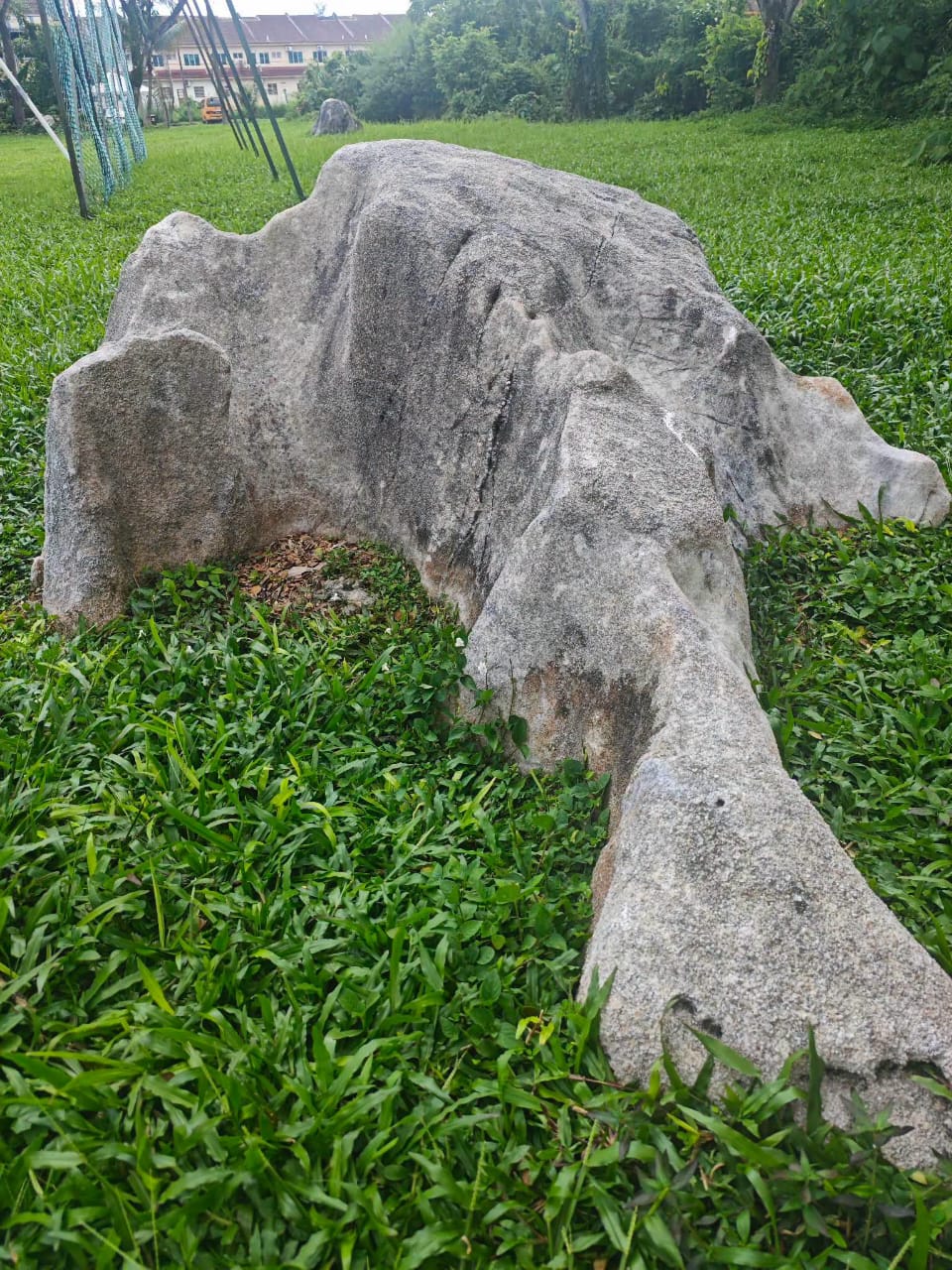
Limestone pinnacles refer to pillar- or tower-shaped jagged rock structures formed through the erosion and dissolution of limestone by acidic groundwater over millions of years.
Geologically, the limestone bedrock in the Kinta Valley is estimated to be between 250 and 350 million years old, dating back to the Palaeozoic Era.
The continuous dissolution process created underground limestone structures, which were later exposed when the surrounding layers of soil and sand were removed.
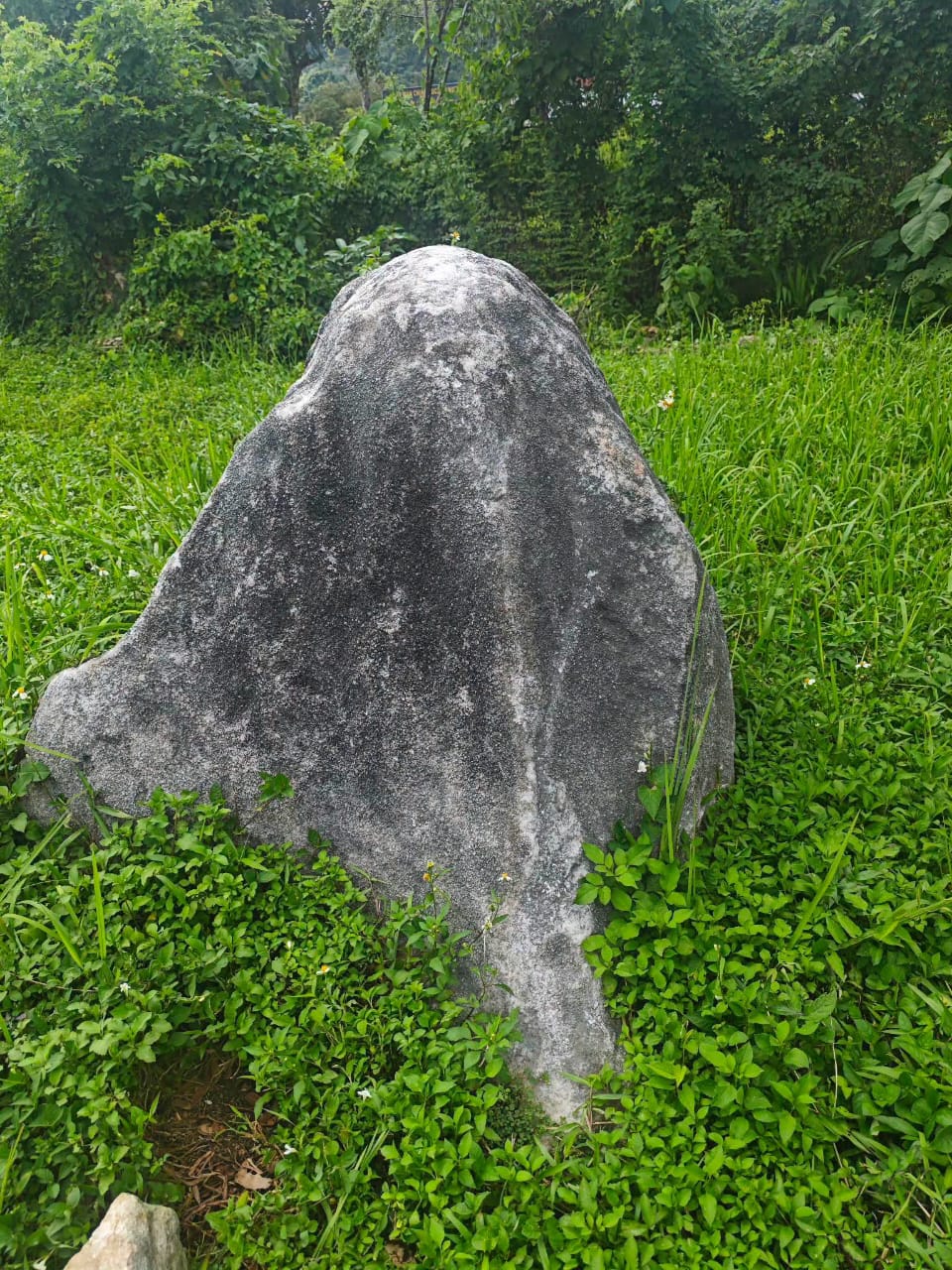
Large-scale tin mining activities during the 20th century were among the main factors that exposed these unique formations across the Ipoh region.
The process of washing away soil and sand to extract tin ore left behind the much harder limestone structures, which remain standing prominently above the ground.
Besides Taman Rishah, similar formations can also be found in Buntong and Taman Sungai Pari, including in bush areas, along roadsides and within residential neighbourhoods.
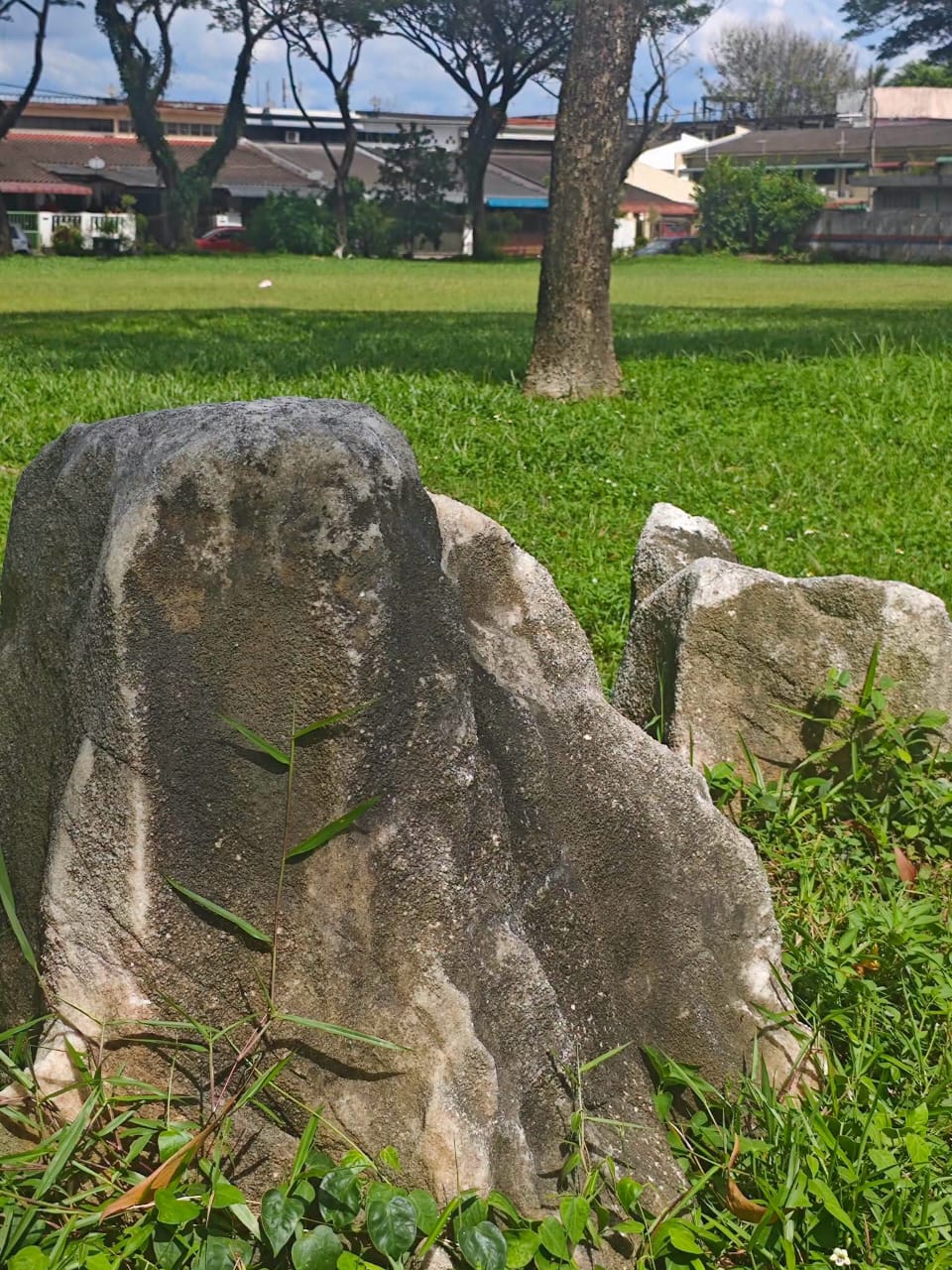
These unique urban and suburban karst remnants have also been documented by local conservation advocacy group Kinta Valley Watch.
The existence of these formations not only highlights Ipoh’s distinctive geological landscape but also serves as evidence of environmental changes resulting from natural processes and mining activities.
Therefore, such geological remnants deserve greater attention in terms of conservation and education to ensure the natural heritage of the Kinta Valley continues to be appreciated by future generations.