By: Rosli Mansor Ahmad Razali
IPOH — Although 2026 has been declared Visit Malaysia Year, the reality on the ground tells a different story, as facilities and infrastructure at Ipoh Railway Station remain unsatisfactory, uncomfortable, and potentially damaging to the image of the national rail transport system.
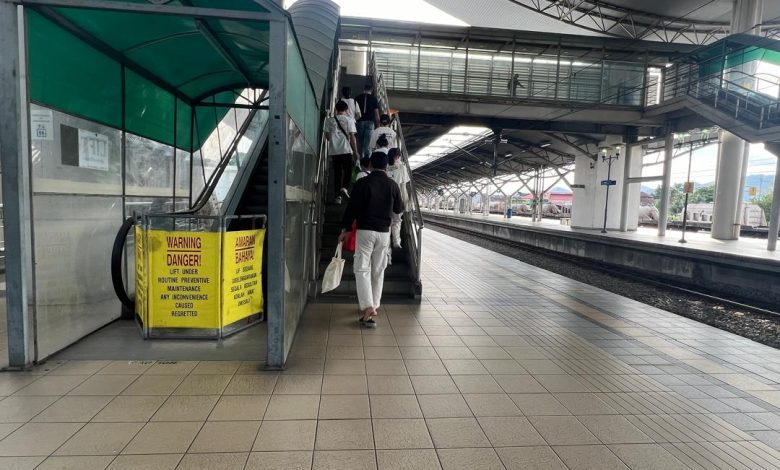
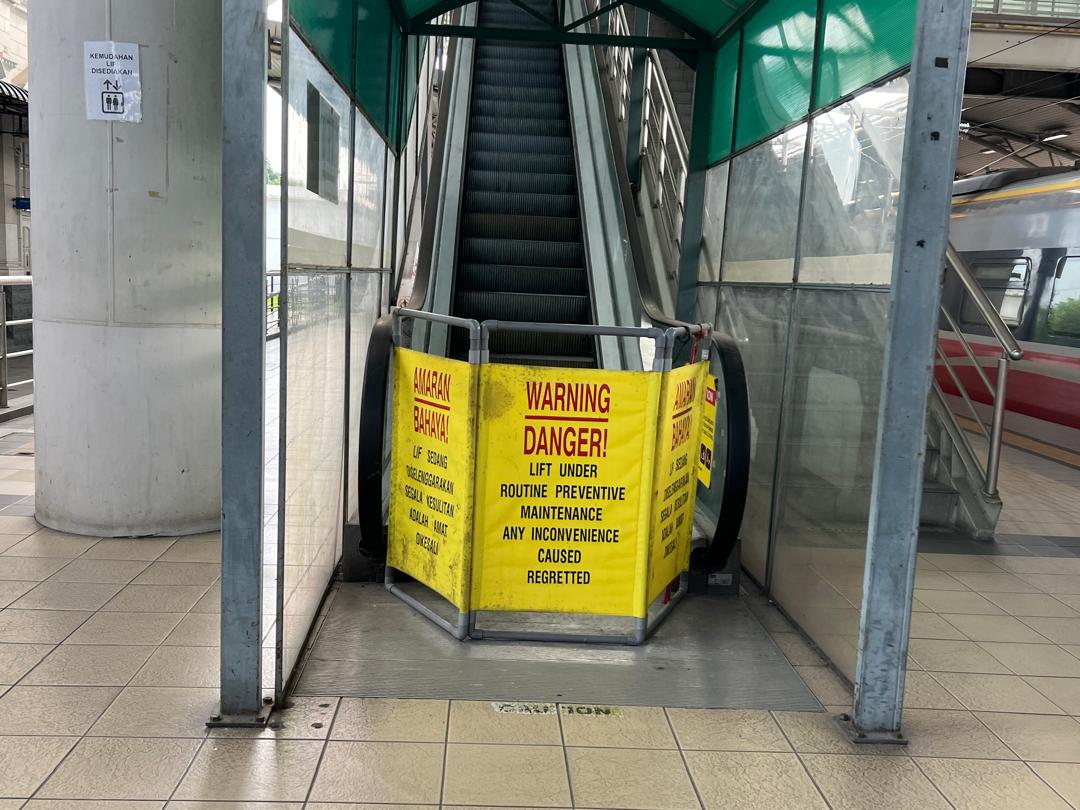
Prolonged escalator breakdowns, chaotic parking management, the absence of security supervision, and frequent ETS train set changes without clear notice expose systemic weaknesses that not only inconvenience passengers but also pose potential safety risks.
These fundamental shortcomings present an embarrassing first impression of a public transport system that should serve as a primary land gateway for tourists entering Perak and the country.
In this regard, the Railway Assets Corporation (RAC) must be more attentive in its role as the body responsible for administering, managing, and maintaining railway assets owned by Keretapi Tanah Melayu (KTM).
As the asset owner of facilities including Ipoh Railway Station, RAC plays a crucial role in the national rail transport ecosystem.
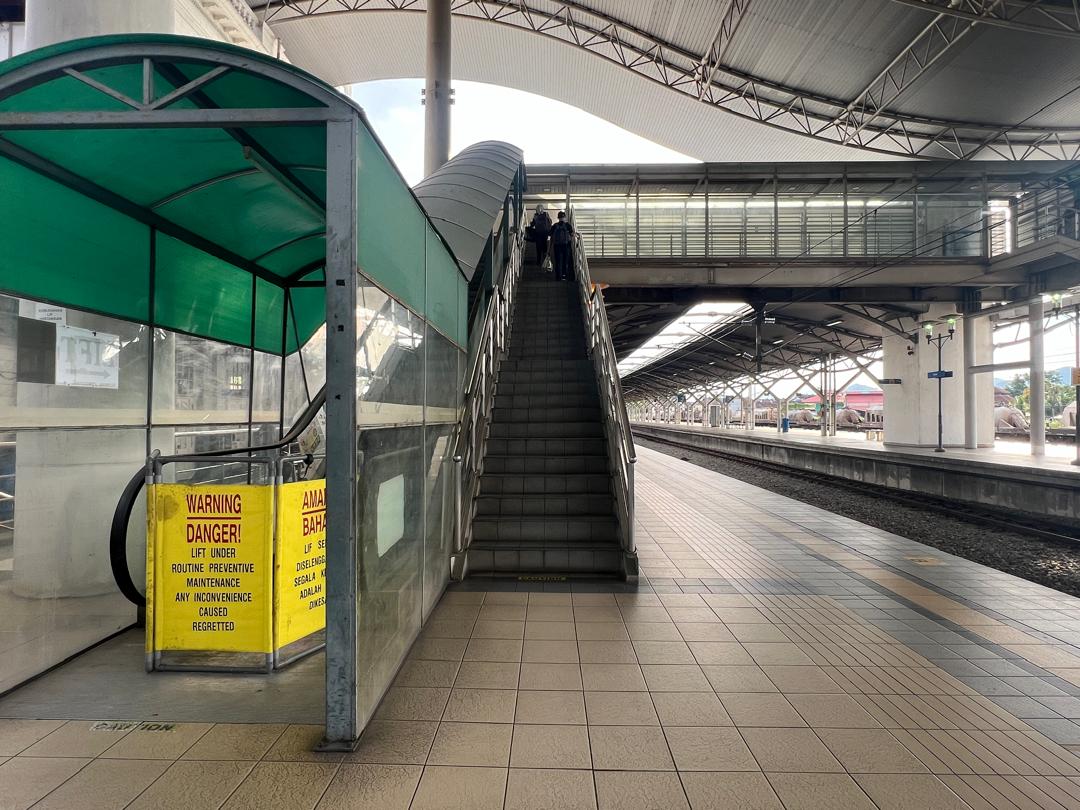
One of the most pressing issues is the use of Platforms 2 and 3 when Platform 1 becomes congested, which has now emerged as a major safety concern.
The prolonged malfunction of escalators places a heavy burden on senior citizens and persons with disabilities (OKU), particularly when they are forced to climb steep staircases to access the platforms.
Passenger Mohd Asri Mohd Nasir, 45, from Kuala Kangsar, said that when escalators break down, and platforms are changed without prior notice, passengers are left struggling to cope with difficult conditions.
“For the elderly and persons with disabilities, these escalator breakdowns are extremely burdensome and dangerous. This is not something that has happened for just a day or two — it has gone on for years. Even when repairs are carried out, the problems keep recurring,” he said.
He also questioned the lack of basic passenger information at the station, such as clear do’s and don’ts, including items not permitted on board trains, such as large boxes, bicycles, fruits and animals.
“There are no clear signs for arrival halls, departure halls, and exit points for ETS and commuter services. Train arrival and departure information screens are also inconsistent, causing frequent confusion among passengers,” he added.
Parking problems are no less concerning. Motorcycle parking areas are overcrowded and disorderly, while car parks are shared with staff vehicles, making it difficult for the public to find proper parking spaces.
He said the situation has become increasingly congested and disorganised each day, with public passengers forced to compete with staff vehicles, as though no priority is given to train users.
Safety issues have also been neglected in station waiting areas, which often become sites of provocation without the presence of security personnel.
The frequent practice of changing ETS train sets without clear communication to passengers continues to be a recurring problem.
Alterations to seating layouts, including table placement and seat orientation, often lead to confusion and disputes between passengers and station staff.
“We feel deceived. We paid extra for specific seats, but once we boarded the train, everything had changed. This has been happening for a long time and frequently leads to arguments between passengers and station staff.
“The responsible parties must immediately implement comprehensive improvements, ensure scheduled maintenance, and strengthen communication with passengers.
“Safety, comfort, and fairness for users are not empty promises, but responsibilities that must be fulfilled now. Otherwise, public confidence in the country’s public transport system will continue to decline,” he said.
The year 2026 will be a real test of the nation’s public transport capabilities.
Ipoh Railway Station, as one of the main land transport gateways, cannot continue operating in a dysfunctional and reactive state.
If these basic weaknesses are not addressed promptly and decisively, not only will the state’s tourism sector be embarrassed, but the country’s image as a safe and competitive tourist destination will also be tarnished in the eyes of the world.