
By: Rosli Mansor Ahmad Razali
IPOH, Feb 1 — The Perak government has stressed that the construction of Hindu temples without official approval, including on state land or land belonging to other parties, is not allowed and is against the law.
State Health, Human Resources, National Integration and Indian Community Affairs Committee chairman Datuk Sivanesan Achalingam said the move is necessary to preserve social harmony and prevent long-standing issues from continuing.
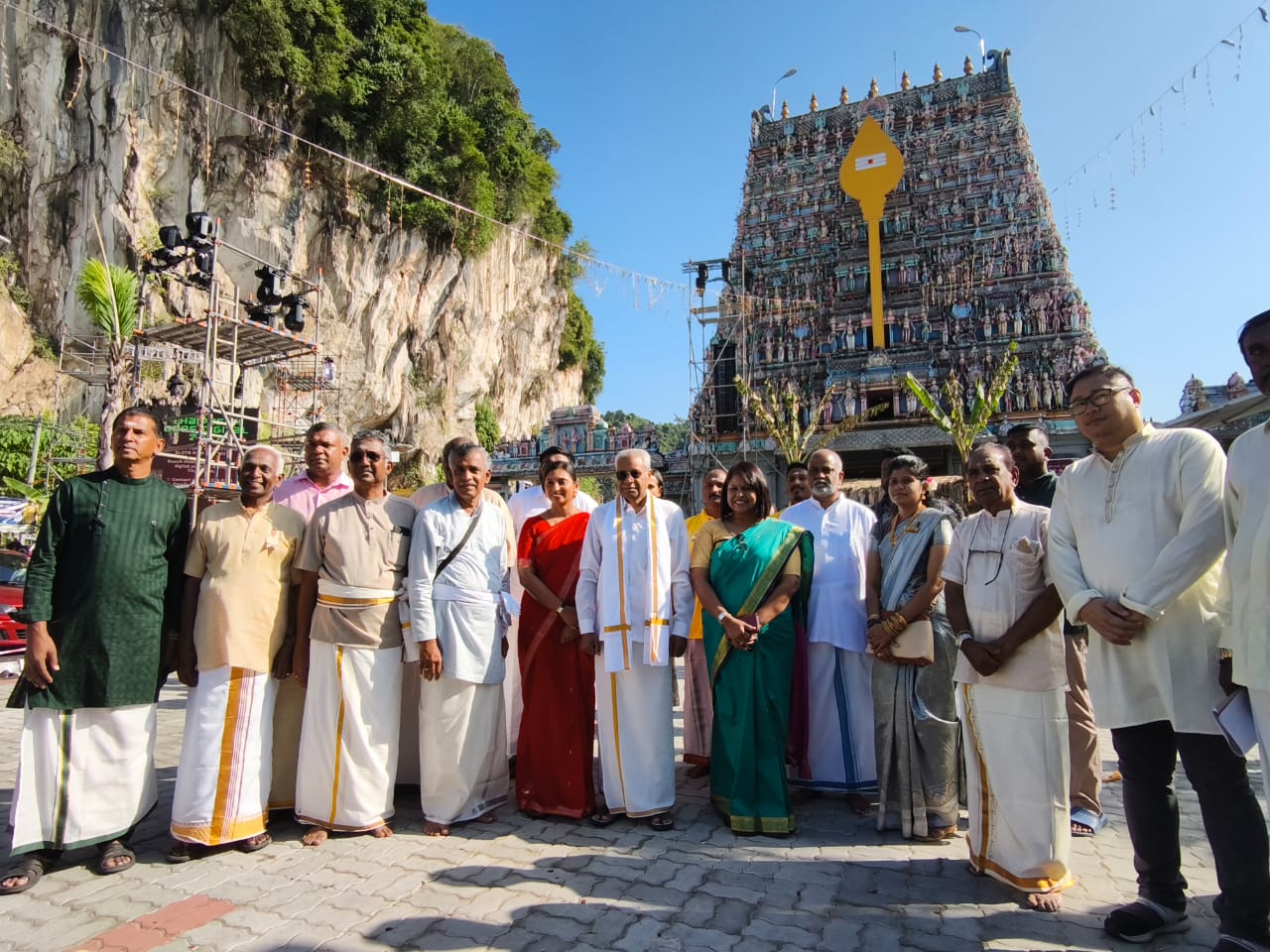
He said most issues involving Hindu houses of worship in the state have been resolved, although several temples are still facing problems related to land status.
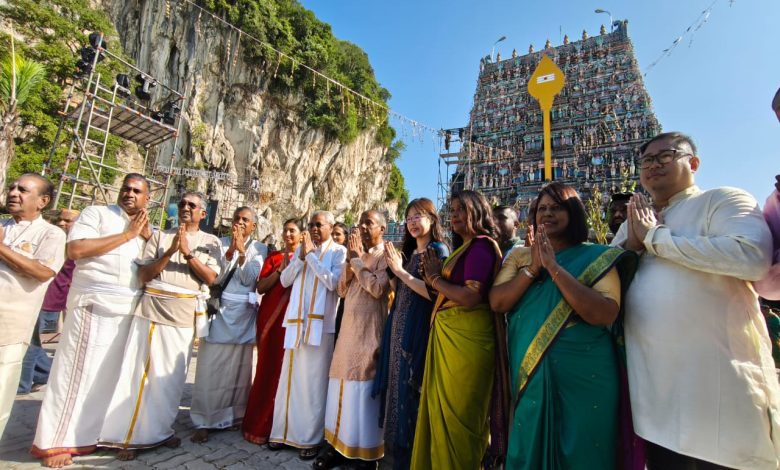
“Land issues are not new. In fact, some of them have dragged on for 40 to 50 years. The state government will therefore hold comprehensive discussions with all relevant parties to find the best solution in the interest of harmony,” he said when met during the Thaipusam celebration at Gunung Cheroh here today.
Sivanesan said temple committees have also been urged to give their full cooperation if relocation to new sites becomes necessary, in line with state government policies and decisions.
“With cooperation from all parties, we are confident these issues can be resolved in stages within three years,” he added.
In the meantime, he said all new temple construction on state land has been ordered to stop with immediate effect.
According to him, the state government believes the existing number of temples is sufficient to meet the needs of the Hindu community, which makes up about 12 per cent of Perak’s population.
The decision was also agreed upon by several major Hindu organisations, including Hindu Sangam, Hindu Dharma Mahamandram and Hindu Saiva Siddhanta Mandram, following discussions with the state government.
Meanwhile, the Perak Land and Mines Office (PTG) has issued notices under Section 425 to about 42 identified temples.
Sivanesan stressed that any new construction of houses of worship is only allowed after obtaining official approval from the authorities.
“Construction on privately owned land may be considered, subject to approval from the local authority. However, building on land owned by others, on private land without permission, or on state land without approval is an offence under the law,” he said.