
By Dr Lee Kok Soon
Consultant Physician & Infectious Diseases Specialist, Sunway Medical Centre, Sunway City (SMC)
Recent hantavirus headlines linked to a cruise ship outbreak have sparked concern, especially following several fatalities and reports involving a strain capable of limited human-to-human transmission.
The World Health Organization (WHO) stresses that this is not considered the start of another pandemic as it behaves differently from highly transmissible viruses like COVID-19[i]. However, experts caution that the infection should not be taken lightly. Depending on the strain, it can reach a mortality rate between 30 and 40 percent[ii].
According to Dr Lee Kok Soon, Consultant Physician & Infectious Diseases Specialist, Sunway Medical Centre, Sunway City (SMC), hantavirus is not a new disease and has been recognised globally, particularly in parts of Asia, Europe, and the Americas where rodent-borne infections continue to be reported annually.
“It is natural for people to become alert whenever a new infectious disease appears in the headlines, especially after COVID-19. While awareness is important, it is equally important to understand how these infections actually spread and the level of risk involved,” he says.
Different Strains, Different Complications
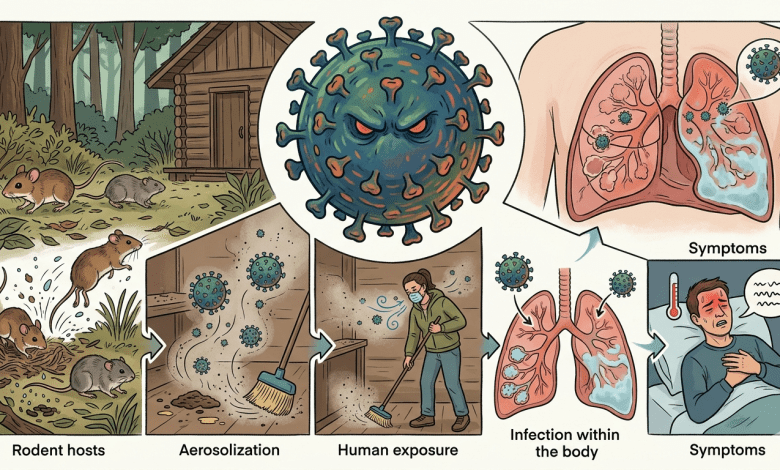
Hantavirus is not a single virus, but a group of rodent-borne viruses that naturally infect rodents and can occasionally be transmitted to humans, with different strains affecting the body differently. Some strains mainly affect the lungs and respiratory system, while others are more linked to kidney complications which cause haemorrhagic fever with renal syndrome (HFRS).
“In the Americas, certain hantavirus strains can cause Hantavirus Pulmonary Syndrome (HPS), a severe condition involving fluid accumulation in the lungs that may lead to breathing difficulties and respiratory failure,” he says. “In Europe and Asia, some strains are more commonly associated with kidney-related complications and bleeding disorders.”
The outbreak drew global attention because it involved the Andes strain, one of the few hantavirus strains associated with limited human-to-human transmission. However, the transmission mechanism is very different from COVID-19.
The Risk People Often Overlook
According to Dr Lee, hantavirus infections are commonly linked to exposure to environments contaminated by infected rodents, like rats and mice. The virus may spread when tiny particles from rodent urine, saliva or droppings become airborne and inhaled. In rare situations, transmission may also occur through rodent bites or scratches.
“Something as simple as sweeping or vacuuming a contaminated storeroom may release these particles into the air without people realising it,” says Dr Lee.
Therefore, Dr Lee advises against dry sweeping rodent-infested areas such as abandoned buildings, dusty warehouses, or long-neglected areas. Instead, contaminated areas should first be sprayed with disinfectant, left for several minutes before being wiped using a damp cloth.
He also encourages simple preventive measures such as wearing gloves and masks during cleaning, disposing waste properly and maintaining good ventilation.
Symptoms Can Look Like Common Illnesses
One of the challenges with hantavirus and other infectious diseases is that the early symptoms can look very similar to many common illnesses. Patients may initially experience fever, body aches, fatigue, nausea or dizziness, symptoms that are often mistaken for influenza, dengue, leptospirosis, or COVID-19.
“Exposure history becomes an important clue, especially if the patients have recently been in rodent-infested or poorly ventilated environments,” he says.
Doctors rely on clinical assessment, laboratory investigations and imaging studies to support diagnosis. In more severe respiratory cases, chest imaging may reveal fluid accumulation in the lungs, while blood tests may show abnormalities involving platelet count, kidney function or liver function. Confirmation is typically performed through specialised laboratory testing such as PCR or antibody testing.
Although there is currently no specific treatment for this infection, Dr Lee says early medical attention remains crucial because the disease can progress rapidly once severe respiratory symptoms develop. Severe cases may require oxygen support, intensive care management, or dialysis support depending on the organs affected.
Awareness Matters
Although Malaysia has not reported any hantavirus outbreaks, Dr Lee says the recent global attention to the virus serves as an important reminder that rodent-borne infections should not be overlooked.
He advises households to maintain clean environments, store food properly, and take extra precautions when cleaning neglected or dusty spaces, particularly after floods, renovations, or long periods of abandonment.
“Simple preventive habits and safe cleaning practices can significantly reduce exposure risks. If symptoms worsen after possible rodent exposure, it is important to seek medical attention early,” he adds.
[i] ‘Limited’ hantavirus outbreak not the start of pandemic, says WHO – CNA
[ii] MOH says no domestic hantavirus cases, no Malaysians involved in outbreak