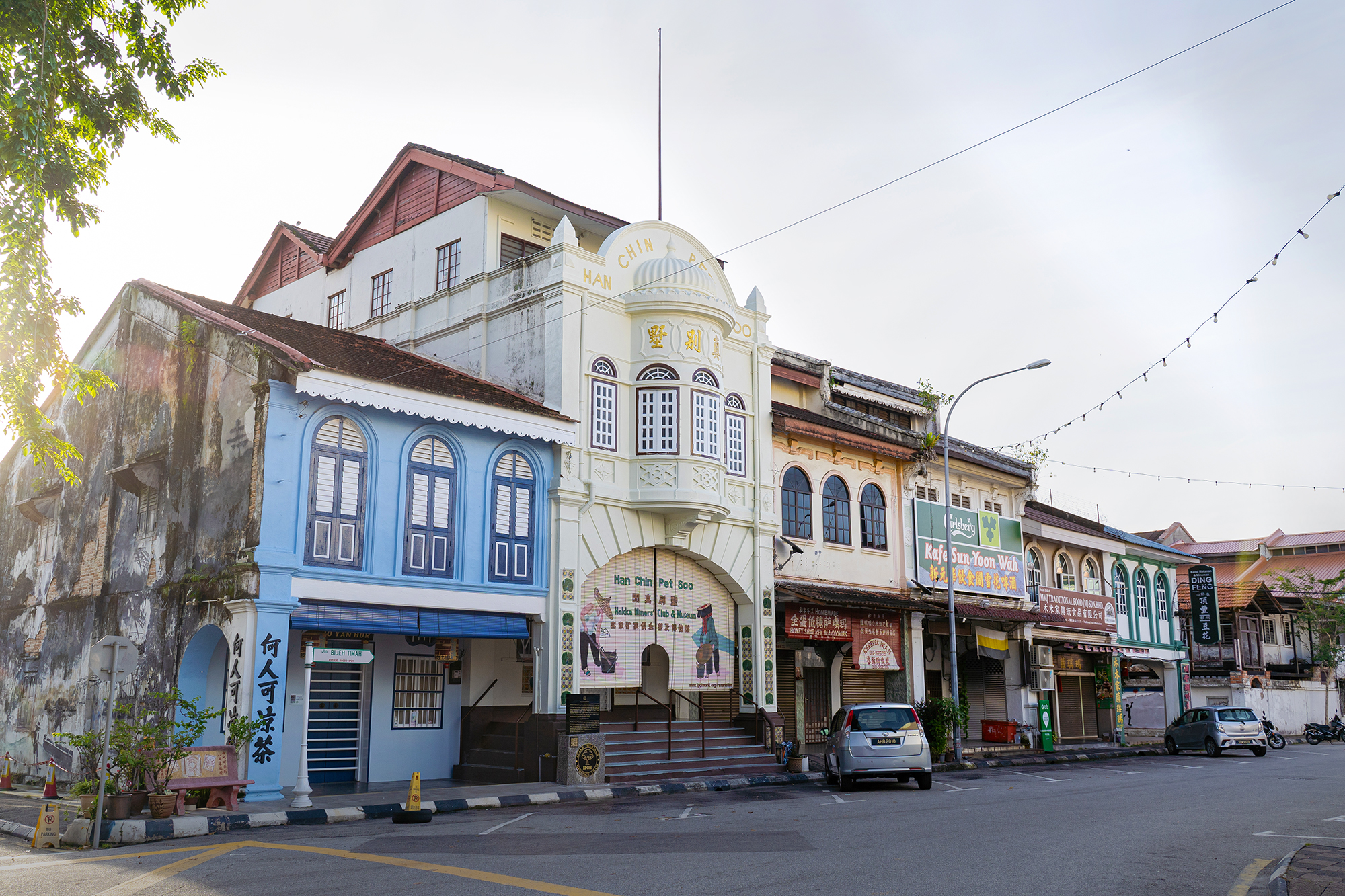
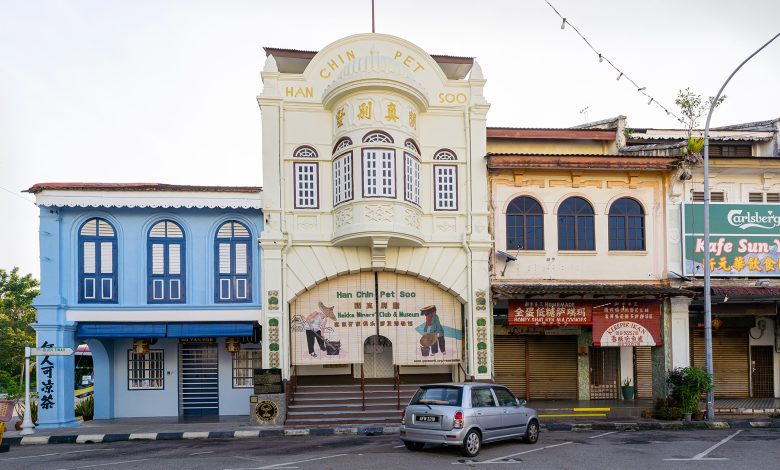
IPOH: Han Chin Pet Soo, Malaysia’s first Hakka tin-mining museum, has done it again – regaining the number one spot on the list of Things To Do in Ipoh on Tripadvisor.
A proud moment for the museum, which highlights stories of hard work, innovation, and cultural infusion shaped by the extraordinary journey and lasting resilience of Hakka immigrants, Han Chin Pet Soo continues to attract some 1,000 visitors from all over the world each month despite having been opened to the public since a decade ago.
To know the story of Han Chin Pet Soo, one must first recognise the tale of the Hakka immigrants, who through their grit and tenacity in exploring and toiling tin mines in a foreign land far away from home in China, eventually transitioned from struggling immigrants to prosperous entrepreneurs.
As the tin mining industry in Ipoh and Kinta Valley thrived, the wealth generated from the mines led to the creation of the Hakka Tin Miners Club, namely Han Chin Pet Soo, in 1893.
Founded by tin miner and businessman Leong Fee, Han Chin Pet Soo became a gathering place for the more affluent and influential members of the Hakka community, many of whom had started out as miners.
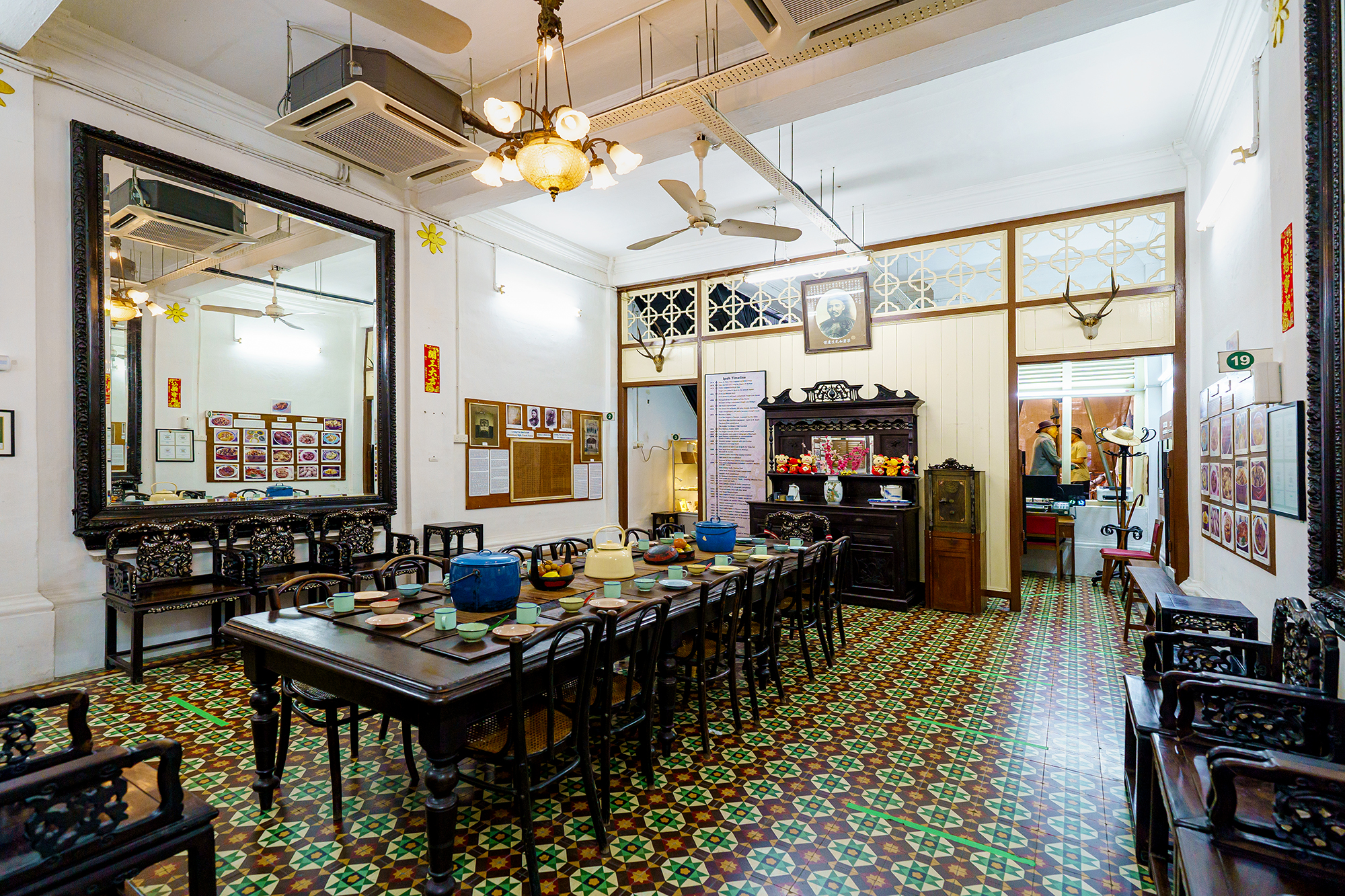
Originally two stories and later rebuilt to include an extra floor, it was here at this gentlemen’s club that the Hakka towkays gathered for meals and also to smoke opium and gamble while being entertained by courtesans.
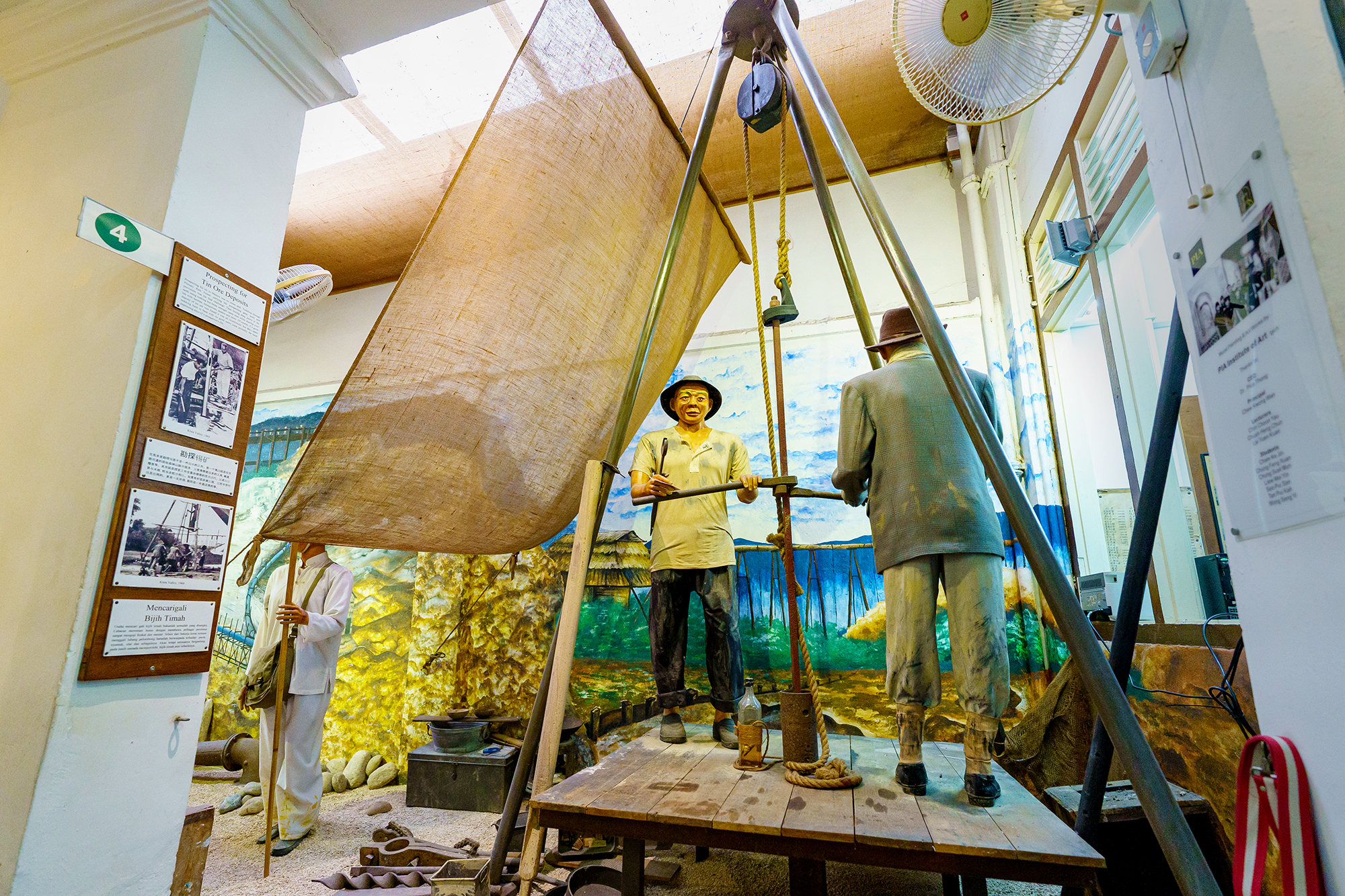
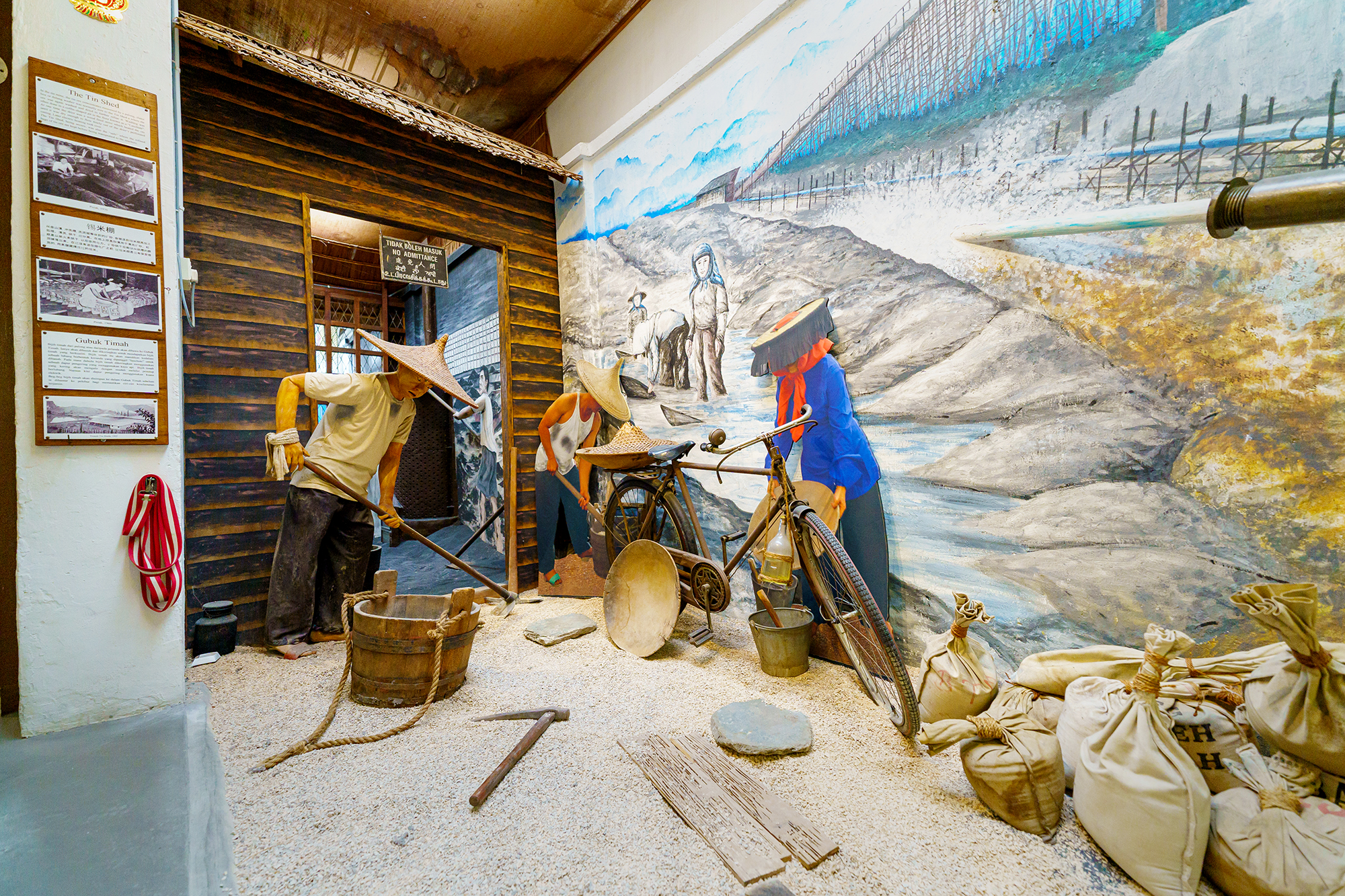
Scenes depicting Han Chin Pet Soo’s colourful past are replicated through life-size dioramas at the museum along with artefacts, collectibles and photographs from the 19th and 20th century while colourful murals replicate the experience of being within a tin mine.
Part of the museum is also dedicated to tin mining and the prominent role it played in the development of Ipoh and the Kinta Valley. The sight of “women” knee-deep in water panning for tin and weather-beaten “workers” breaking their backs working the palong is a heart-wrenching and often unimaginable scene in present times for the modern visitor.
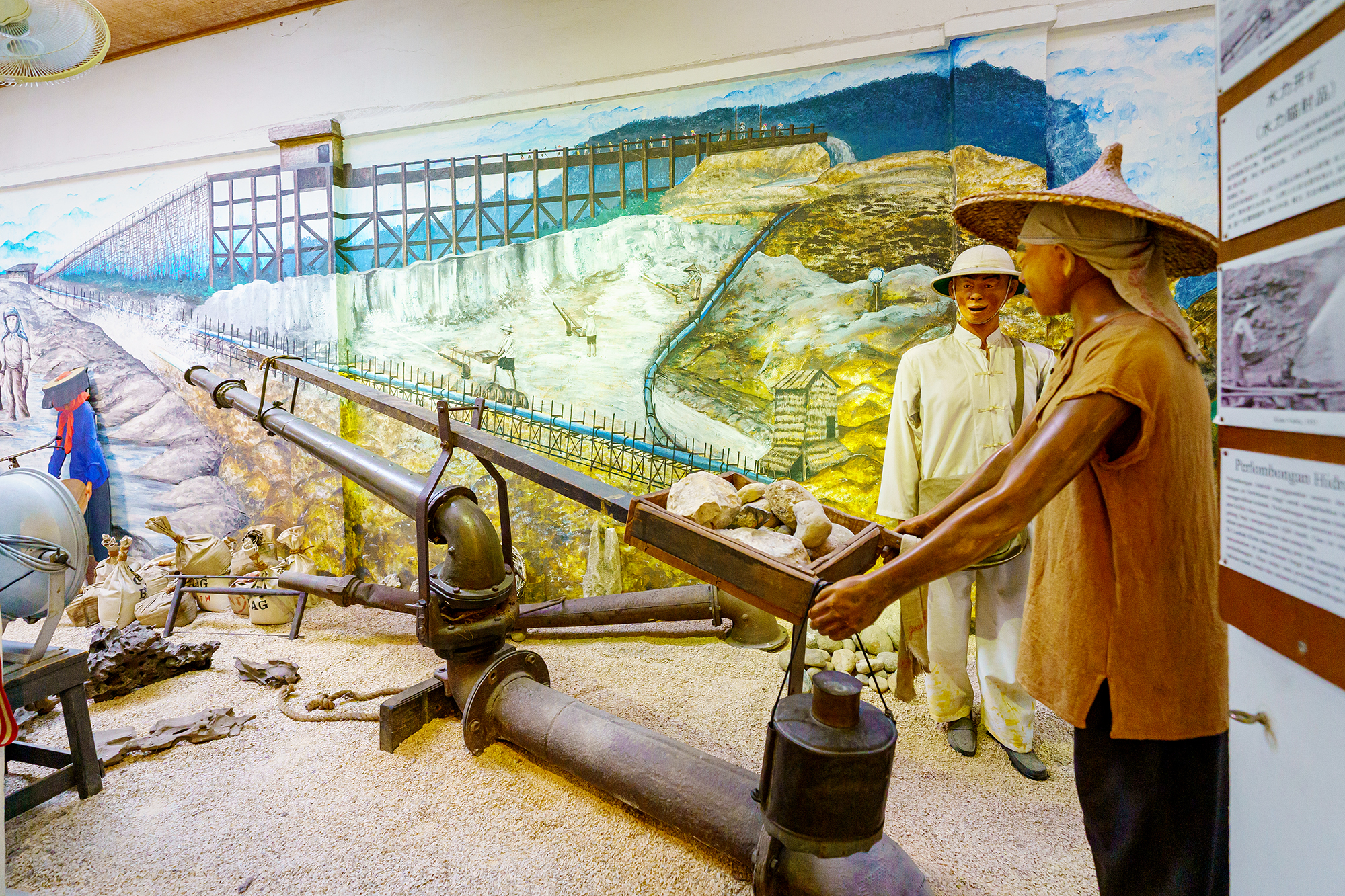
It is also an eye-opening experience to be able to bear witness to the progression of time and innovation when one sees for the first time invaluable items from the past such as tin money in the form of animals, the Facit 10-key non-printing electric pinwheel calculating machine, and a Scottish wash basin.
Located at No 3, Jalan Bijeh Timah, Ipoh, visitors can reserve their slot at http://www.ipohworld.org/reservation or email hcps@ipohworld.org.
Entry is by donation, with a suggested contribution of RM10 for adults and RM5 for children for tour companies.