
By Rosli Mansor Ahmad Razali
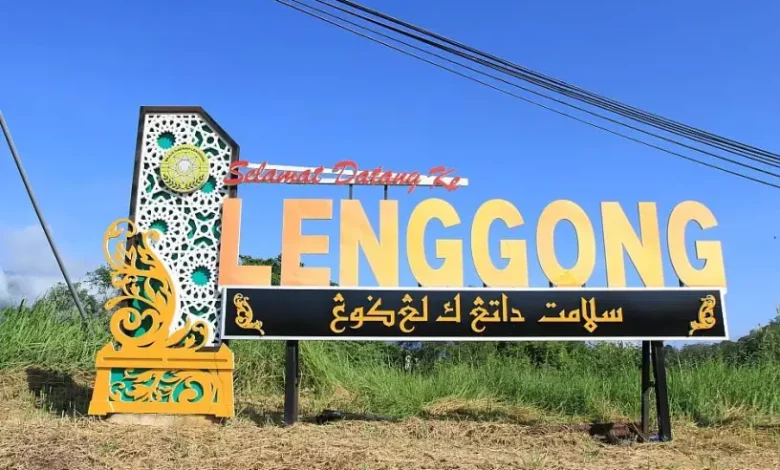
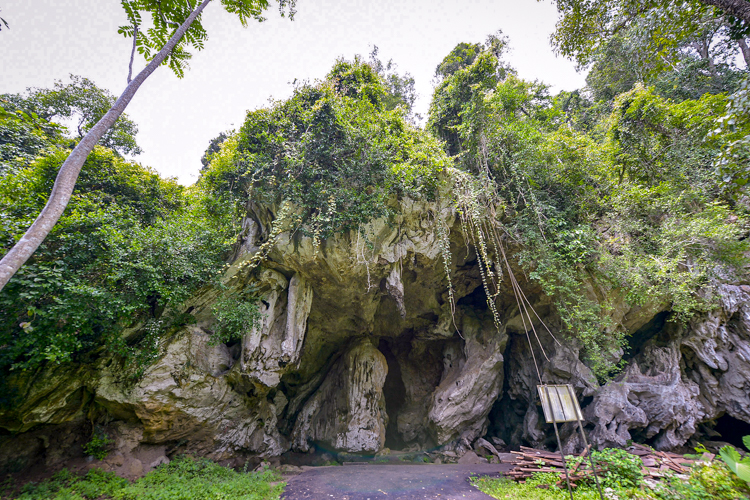
IPOH: A total of RM9.72 million has been allocated since 2023 to strengthen infrastructure, tourism facilities and various programmes in the Lenggong UNESCO Global Geopark (UGGp).
Perak Tourism, Industry, Investment and Corridor Development Committee chairman Loh Sze Yee said the allocation covered various projects and initiatives, including infrastructure development, courses, financial assistance and research.
He said the development of Lenggong UGGp was no longer focused on a single location or tourism product, but covered an area of 2,248 sq km, encompassing five sub-districts — Lenggong, Temelong, Durian Pipit, Kenering and Gerik.
“Lenggong UGGp is rich in geological heritage, biodiversity, archaeology, history, culture and local community life, all of which need to be developed comprehensively.
“Therefore, the state government has adopted a holistic approach to geopark development centred on conservation, education and research, as well as sustainable socioeconomic development for local communities,” he said when answering questions at the Second Meeting of the Fourth Session of the 15th Perak State Legislative Assembly here yesterday.
Loh said agencies involved in the development included the Ministry of Tourism, Arts and Culture (MOTAC), Ministry of Economy, Perak Economic Planning Unit (UPEN), Northern Corridor Implementation Authority (NCIA), National Landscape Department and State Financial Office, among others.
He said the Lenggong District Council is currently preparing the Lenggong Geopark Special Area Plan (RKK) as the main guide for the area’s development, conservation and management.
“The RKK is expected to be completed by the end of 2026 before undergoing the approval process and subsequently being gazetted in accordance with the relevant provisions and procedures.
“With the RKK in place, the development of Lenggong UGGp will have a clearer, integrated and holistic spatial and development action plan,” he said.
He said the plan would focus on areas including conservation zones, tourism product development, visitor facilities and infrastructure, accessibility, signage, site management and community economic development.
At the same time, facilities such as geotrails, geotrekking routes and guided tours will be enhanced, alongside improvements to safety, cleanliness, visitor management and digital facilities.
More significantly, Lenggong UGGp is also planned to be developed as an Open Education Hub based on the concepts of Edu-Tourism, Geo-Education and Research Tourism.
“Lenggong itself is a ‘living laboratory’ that allows various fields to be studied directly, including geology, archaeology, biodiversity, ecology, the environment, history, culture, tourism and community development.
“Collaboration with institutions of higher learning will continue to be strengthened through joint research, knowledge transfer, professional training, development of educational modules and field programmes,” he said.
Institutions involved include Universiti Teknologi Malaysia (UTM), Universiti Malaya (UM), International Islamic University Malaysia (UIAM), Universiti Kebangsaan Malaysia (UKM) and Universiti Sains Malaysia (USM).
Loh said the approach was expected to create new segments in Perak’s tourism industry through research tourism and educational tourism.
“These segments will not only attract visitors but also have the potential to increase the length of stay and spending among students, researchers, lecturers and programme participants in Hulu Perak,” he said.
He said promotion of Lenggong UGGp would also be strengthened through Tourism Perak, Federal tourism agencies and relevant stakeholders.
The UNESCO recognition, he said, provided significant added value for Perak to promote Lenggong to both domestic and international markets.
“Lenggong should not be promoted in isolation. Instead, its tourism potential should be developed as part of a network with other destinations in Hulu Perak,” he said.