
By: Zaki Salleh
IPOH – The issue of idle land in the state continues to draw attention amid allegations that these areas have failed to be developed optimally, consequently opening the door to various unhealthy activities.
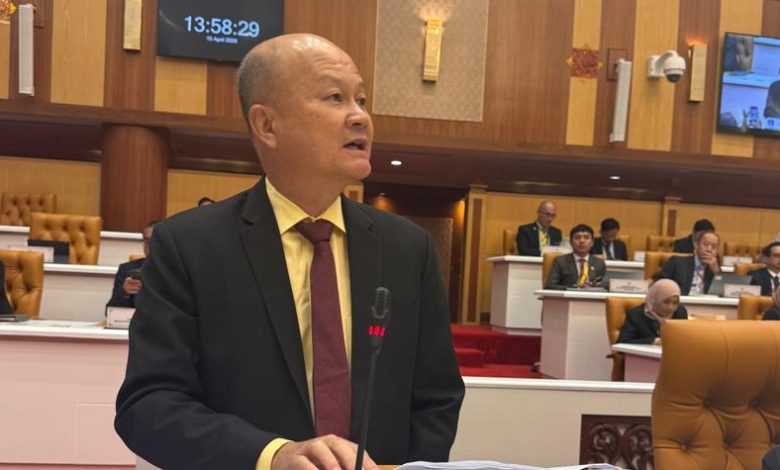
Jelapang State Assemblyman (ADUN), Cheah Pou Hian, during the Perak State Legislative Assembly (DUN) debate, emphasized that the failure to utilize idle land is not only an economic loss but also carries social consequences for the local community.
According to him, many idle land areas are currently being misused by irresponsible parties, including being turned into illegal settlements as well as locations for unhealthy social activities such as illegal dumping, drug abuse, and immoral acts.
“This situation has persisted for a long time, as if it has become a habit that is difficult to change. It not only tarnishes the state’s image but also invites various social problems that ultimately must be borne by the people and the authorities,” he said.
He further stressed that these lands actually possess great potential to be developed more productively to provide direct benefits to the people.
Among the proposals submitted include transforming idle land into small and medium-scale agricultural areas to meet local food needs, in addition to developing high-intensity crop projects such as hydroponics and aquaponics.
Furthermore, these areas could be designated as community food production zones managed collectively by local residents.
“Through these initiatives, we can not only increase food security but also reduce the pressure of the cost of living and open new economic opportunities at the grassroots level,” he explained.
At the same time, he cautioned that dependence on external supplies is unsustainable in the long term, particularly given the current global economic uncertainties.
In this regard, he urged the state government to take more proactive and pragmatic steps to ensure that idle land is fully utilized for the benefit of the people.
“It is high time for a more comprehensive approach to be implemented to ensure that the basic supplies of the people remain guaranteed, regardless of international challenges,” he said.