
By Ronald Benjamin
Malaysia is often cited as having one of the highest rates of smartphone addiction globally, frequently ranking third after China and Saudi Arabia in studies analyzing problematic smartphone use, with researchers highlighting this as a growing concern impacting mental health, family, and safety, especially among youth.
Studies show high percentages of Malaysians feel dependent on their devices, with usage patterns linked to increased sedentary behavior and potential negative health outcomes, prompting calls for greater awareness and intervention from parents and policymakers.
While we as Malaysians can be proud of our success in embracing digital technology which is critical in building effective and efficient societal communications, there are also drawbacks that need to be taken into account especially to community relations in Malaysia whether it’s at home, work or society at large.
It is obvious the attitude and behavior of seeing the importance of being physically present is not given much importance,in smart phone addicted culture.
In a digitally driven society there is lack or absence of initiative to know the other. One is known merely by one’s background or ethnicity or relationship that is more on the impersonal level.
There is no proper understanding of real issues affecting a family member, a subordinate, or even comprehending genuine difficulties and aspirations facing communities, especially those who are poor and marginalized.
People do not go out and see reality as it is or to broaden their perception of reality in the social-economic domain ,but confine themselves to their room by seeing news and commentaries through smart phones and develop narrow ideological inclinations.
This ultimately leads to individualistic and narcissistic individuals.
Human dignity, rights and potential are realized within a community, and individuals have both rights and duties to physically participate in society for the well-being of all, especially the vulnerable.
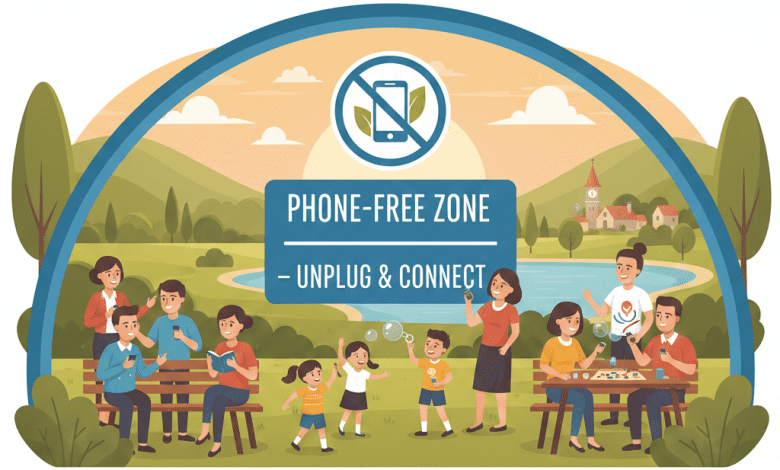
Taking these into consideration The Association for Welfare, Community and Dialogue (ACID) suggests that the authorities create designated phone free public parks in community settings.
This would help encourage people to interact, learn and understand each other besides coming up with initiatives that benefit communities.
Students and learning adults of all ethnic backgrounds should be encouraged to visit these parks as part of their social assignments.
In countries like the Netherlands phone-free initiatives or specific events occasionally take place in existing public spaces to encourage digital detox.
If this is practiced in Malaysia and led by youths this could add value to our multi-ethnic and religious interaction where fraternity and solidarity is possible in a fragile multi-ethnic and religious Malaysia.
These initiatives are far more significant in reducing smartphone addiction and in turn help in creating a physical,psychological and spiritually conscious society.
Disclaimer: The views and opinions expressed in this article are those of the author and do not necessarily reflect the official policy or position of Ipoh Echo