
By Rosli Mansor Ahmad Razali
In the world of healthy eating, many people are aware that fibre is essential. However, not everyone realises that soluble fibre is actually a “silent hero” that has a major impact on heart health, blood sugar levels and weight control.
Fibre does more than just keep bowel movements regular. It is divided into two main types, soluble fibre and insoluble fibre, and both play different roles in the body.
Insoluble fibre helps move food through the digestive system and prevents constipation. Soluble fibre, however, is unique because it dissolves in water and forms a gel-like substance in the gut.
This gel acts as a “trap” for bad cholesterol (LDL). The trapped cholesterol is then excreted through bowel movements, naturally helping to lower cholesterol levels in the body.
At the same time, digestion slows down, which helps keep blood sugar levels more stable and makes you feel full for a longer period.
It is no surprise that dietitians recommend soluble fibre intake to help reduce the risk of heart disease, diabetes and weight-related problems.
In general, adults are advised to consume 25 to 38 grams of fibre daily, while 5 to 10 grams of soluble fibre per day is encouraged for cholesterol-lowering benefits.
The good news is that soluble fibre is easy to obtain — especially from fresh fruits.
Here are some of the fruits highest in soluble fibre that can be easily included in a daily diet:
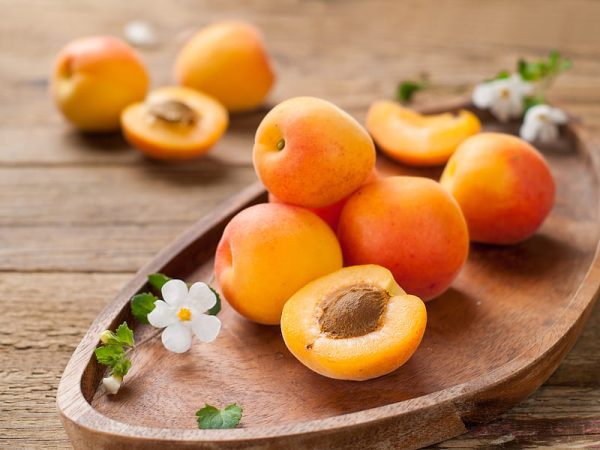
Apricot: Four apricots provide about 1.8 grams of soluble fibre. These small fruits are rich in antioxidants such as vitamin C, vitamin E and beta-carotene, which are good for cell and skin health.
Oranges: One orange contains around 1.8 grams of soluble fibre. Besides being refreshing, oranges are high in vitamin C and potassium, which help regulate blood pressure.
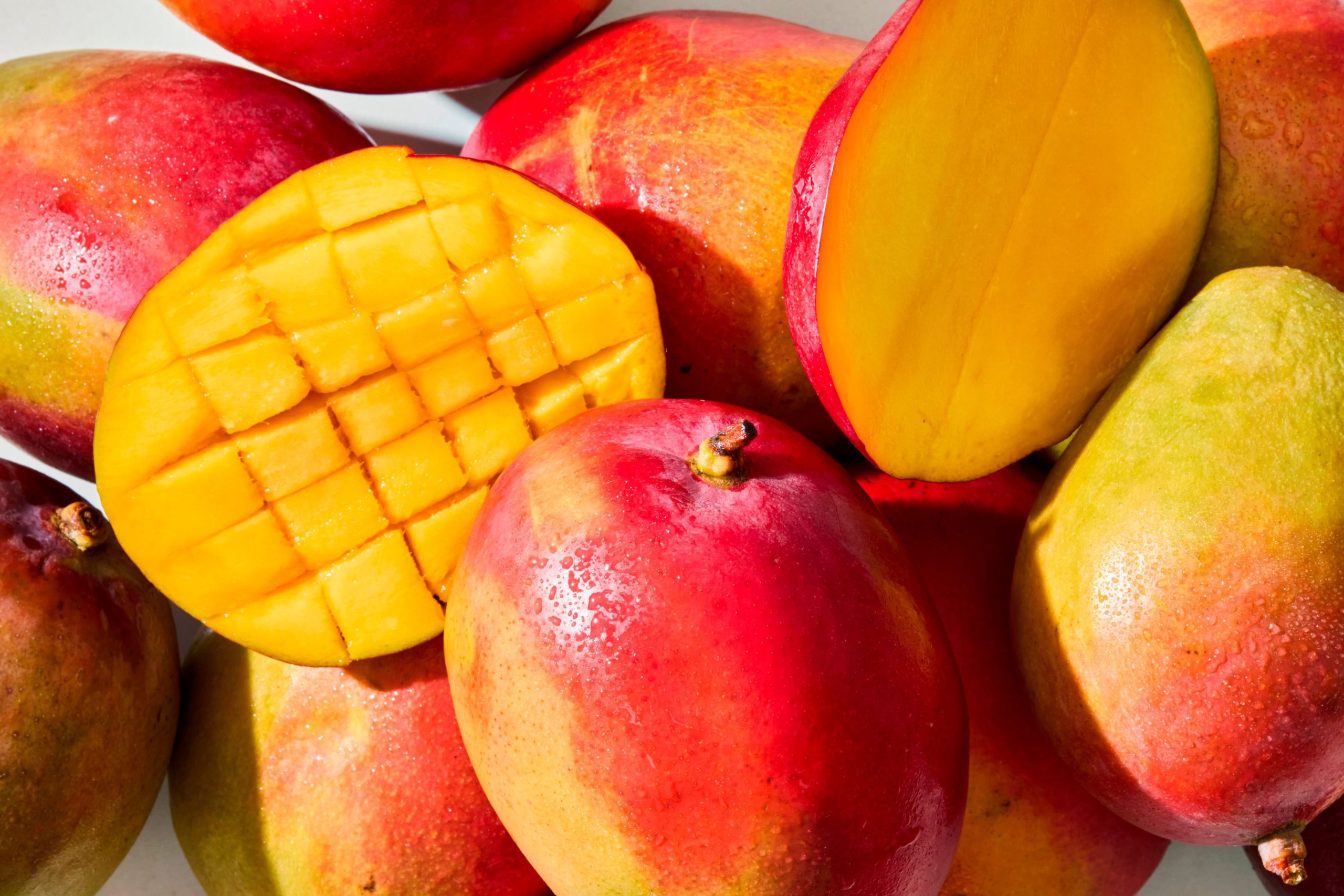
Mangoes : Half a mango provides 1.8 grams of soluble fibre. Naturally sweet, mangoes are also rich in vitamin C, which supports the immune system.
Dried Figs : A quarter cup of dried figs supplies 1.4 grams of soluble fibre. Their chewy texture and tiny seeds give a pleasant crunch, making them a healthy snack option.

Strawberries : One cup of strawberries contains about 1.1 grams of soluble fibre. These berries are among the highest sources of vitamin C and are low in calories.
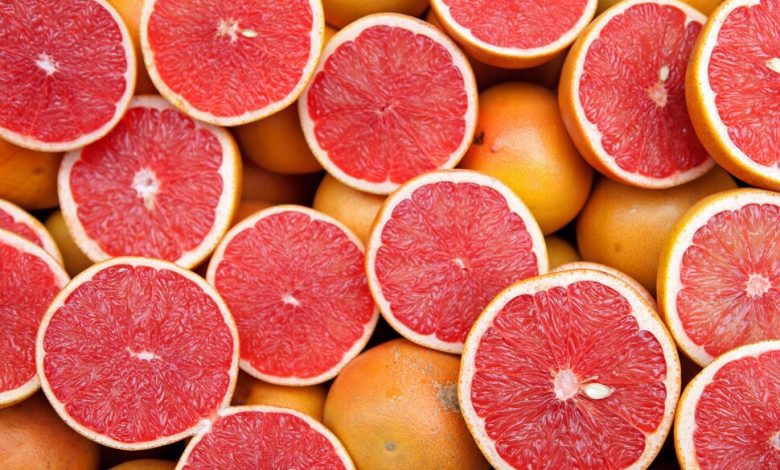
Grapefruit: Half a grapefruit provides 1.1 grams of soluble fibre. The white membranes between segments contain pectin, a type of soluble fibre that is especially good for heart health.
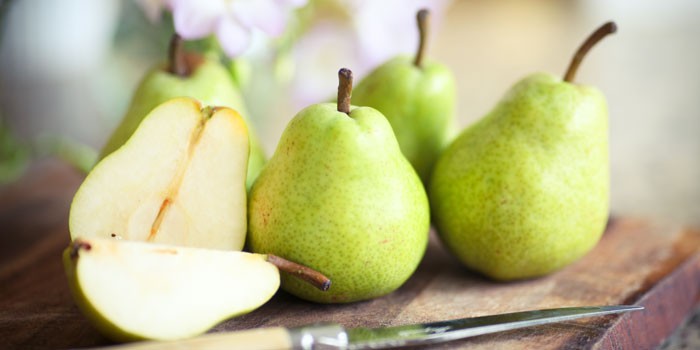
Pears: Half a pear supplies 1.1 grams of soluble fibre. Eat it with the skin to get the maximum fibre as well as additional antioxidants.
Plums : Two red plums contain around 1.1 grams of soluble fibre. Their deep colour signals the presence of beneficial plant compounds with antioxidant properties.
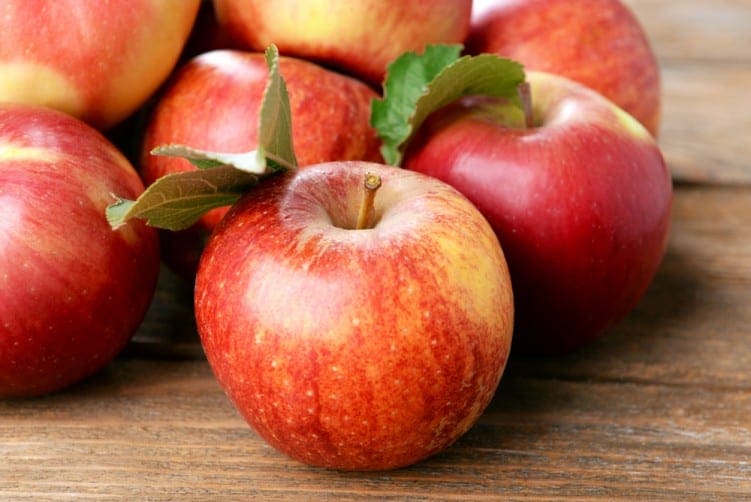
Apples: One apple provides about 1 gram of soluble fibre. Easy to carry anywhere, apples also help you stay full longer and support gut health.
In conclusion, adding fruits high in soluble fibre to your daily menu not only aids digestion but is also a simple step towards protecting heart health and controlling blood sugar.
What matters most is eating fruit in its whole form, not just as juice and drinking enough water so fibre can work more effectively in the body.
Small changes at the dining table today can make a big difference to your health in the future.
Reference: This article is based on a health report published by TODAY.com and the views of Dr Lisa R. Young, PhD, RDN, Adjunct Professor of Nutrition at New York University.