
By Anne Das
Since 2022, more than 7,000 cases of violence have been reported in Malaysian schools.
The figure covers children caught in physical bullying, verbal abuse, online shaming, cyberbullying and serious aggression. Many incidents enter public attention only when they reach a crisis point. The warning signs that came earlier often remain unseen.

A recent case involving a 15-year-old girl suspected of attacking a schoolmate in Banting made national headlines. It renewed public concern about violence among young people and what may be driving such behaviour. Her lawyer later told reporters that the teenager is autistic.
Psychologists have since cautioned against linking autism with violence, as such assumptions can deepen stigma against neurodivergent children.
The case nevertheless raises an important question. When aggression becomes persistent or severe, could an underlying developmental, neurological, psychological or emotional difficulty have gone undetected?
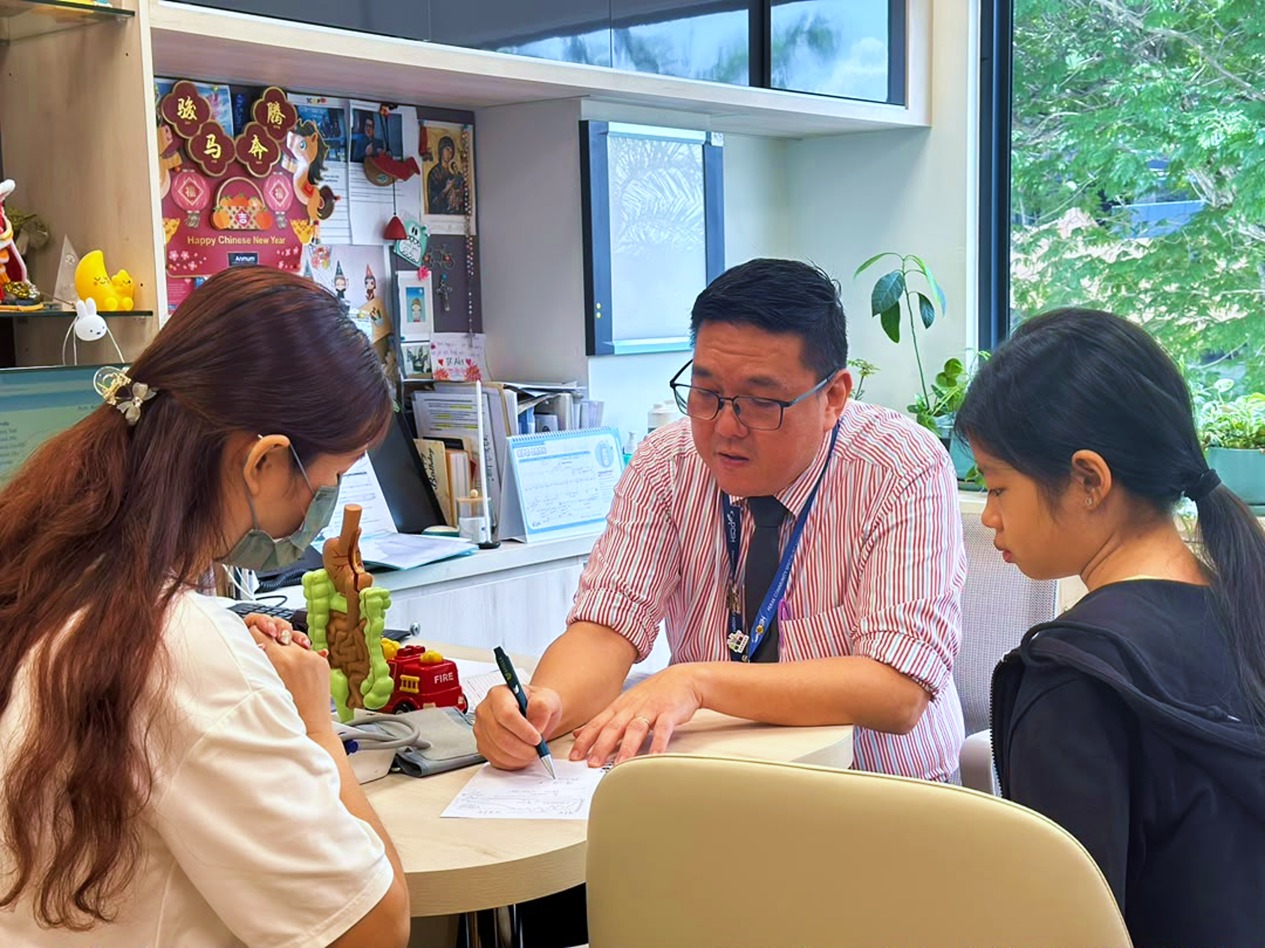
In light of recent cases, Ipoh Echo spoke to Dr Alex Khoo Peng Chuan, Consultant Paediatrician and Paediatric Neurologist at Perak Community Specialist Hospital (PCSH).
“Aggressive behaviour cannot be excused, but it must be properly investigated,” he said.
Children are sometimes dismissed as badly behaved, poorly disciplined or the product of bad parenting. Such judgments can obscure problems involving communication, impulse control, learning and social understanding.
These challenges do not automatically cause violence, but they may affect how a vulnerable child responds to stress or humiliation.

Clinicians have seen an increase in young patients presenting with emotional breakdowns, behavioural problems and mental or neurological stress since 2022, according to Dr Alex.
Online shaming has added another layer of pressure because humiliation can now follow a student home.
Secondary school may be the point when previously manageable problems become harder to conceal. Teenagers must navigate changing friendships, rejection, academic expectations and social media.
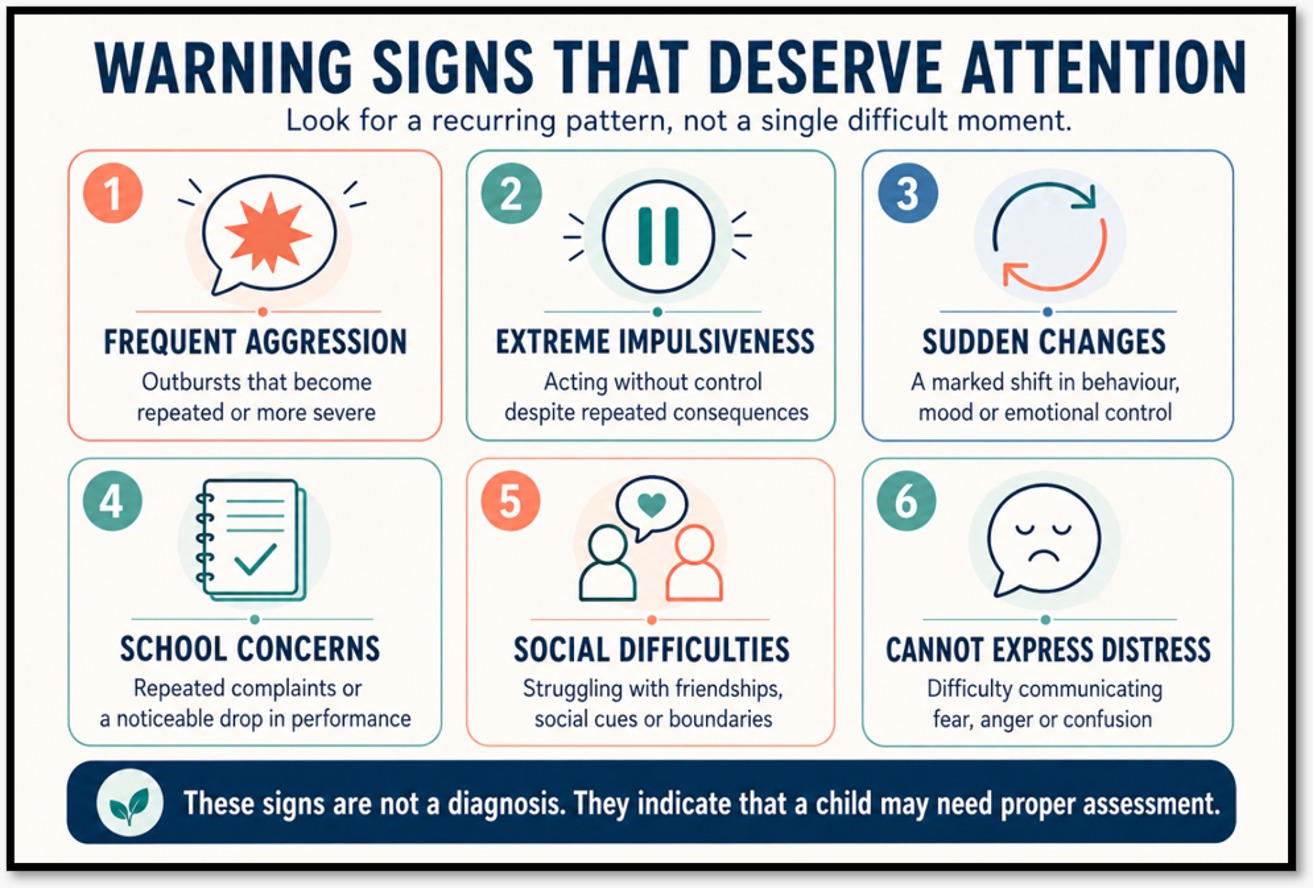
To Dr Alex, this is an “iceberg problem.”
“Adults see the behaviour above the surface, but the greater difficulty may still be hidden,” he explained.
A teenager’s appearance can also create false expectations. A 15-year-old may communicate, reason or manage emotions at the developmental level of someone much younger.
Conduct that appeared manageable during childhood can become harder to contain once the teenager grows physically stronger.
One angry outburst does not indicate a neurological or developmental condition. A recurring pattern, however, deserves attention.
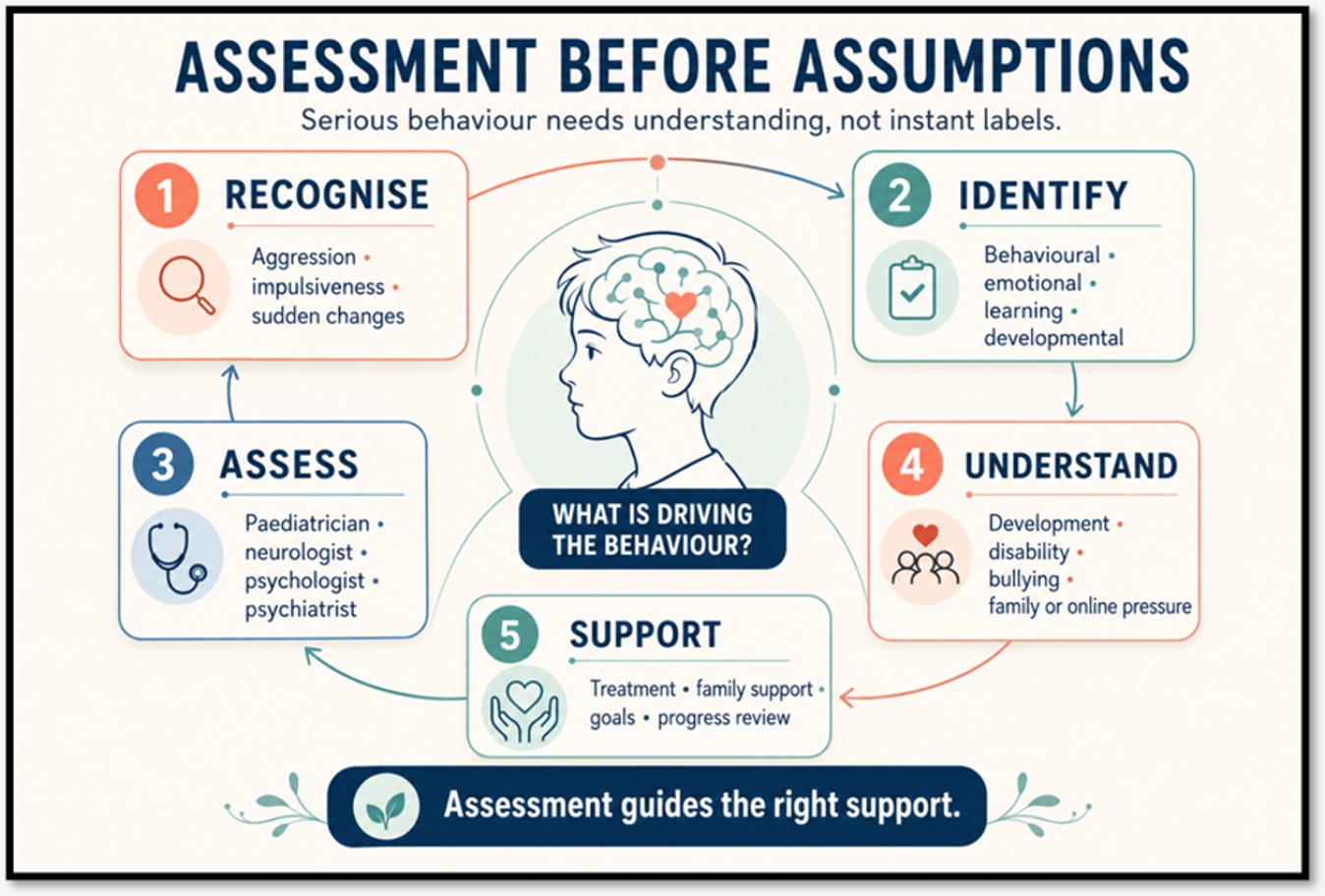
Dr Alex calls this process “medical mapping” which is a structured way to establish the child’s developmental level, set priorities and review progress.
This coordinated approach is already available in Perak through PCSH’s multidisciplinary Neuro Hub. Paediatric neurology, adult neurology, psychiatry and neurosurgery work together under one roof when developmental, behavioural and psychological concerns overlap.
“Our forte is complex cases,” Dr Alex said.
Approximately 10 to 15 children are assessed each month, many from B40 and M40 families. Where needed, the hospital helps families explore welfare assistance, government services and external therapy providers.

PCSH’s Neuro Hub is also being enhanced to make the hospital experience more comfortable for young patients. Quiet spaces are being created for children who need a calmer setting. A new playground is also being completed at press time.
Seeking help early can prevent troubling conduct from developing into a crisis. Families should not wait for a suspension or serious injury before arranging an assessment.
Follow PCSH’s social media pages for updates on upcoming early screening programmes, community outreach activities and workshops for parents and teachers.
For Appointments and Enquiries
🩺 Dr Alex Khoo Peng Chuan – Paediatrician and Paediatric Neurologist
📍 Main Wing, Suite 205, Level 2
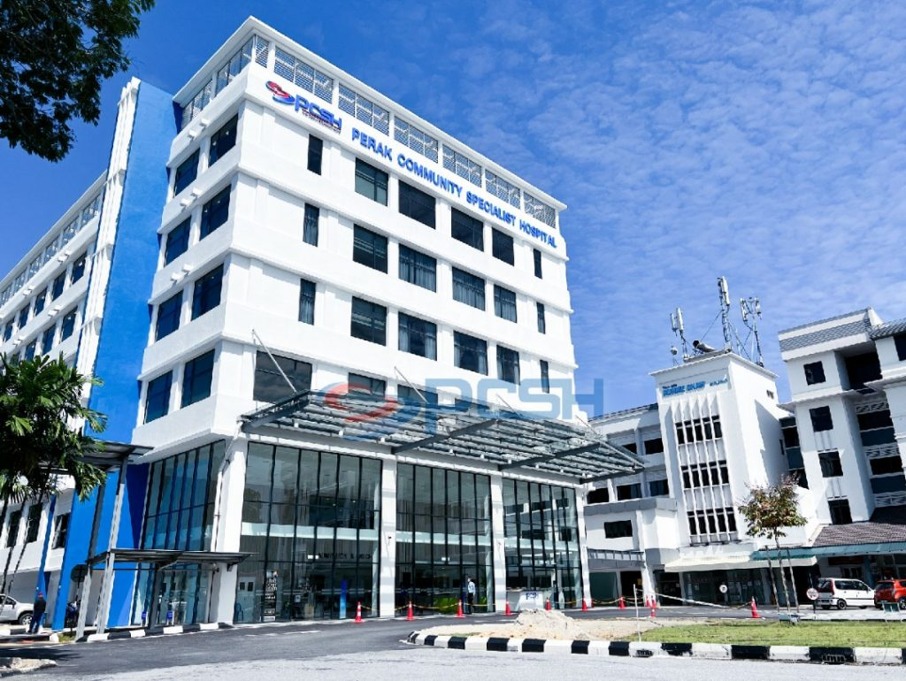
Perak Community Specialist Hospital
📞 Direct line: 05-246 2981 ext. 3120
☎️ General line: 05-241 9000 💬 WhatsApp: 016-523 9000
🌐 Website: www.pcsh.com.my