By Rosli Mansor Ahmad Razali
IPOH: The ASEAN-China Ministerial Roundtable on Construction and Housing (ACMROCH) 2026 has emerged as a key platform for strengthening regional cooperation in addressing challenges related to urbanisation, housing, and sustainable urban development.
Housing and Local Government Minister Nga Kor Ming said more than 57 percent of the world’s population now lives in urban areas, while Asia’s urbanisation rate has surpassed 54 percent.
He said China has recorded an urbanisation rate of 67 percent, while Malaysia stands at 78 percent, reflecting the rapid demographic shift taking place across the region.
“The trend has placed immense pressure on regional infrastructure, housing supply and energy systems.
“The need to develop sustainable, affordable and climate-resilient cities has become a pressing priority.
“The height of its skyscrapers should not measure a nation’s strength, but by its ability to provide shelter, opportunities and thriving communities for its people.
“Therefore, ACMROCH 2026 is more than a construction forum. It represents a collective ASEAN declaration to pursue inclusive and sustainable development,” he said.
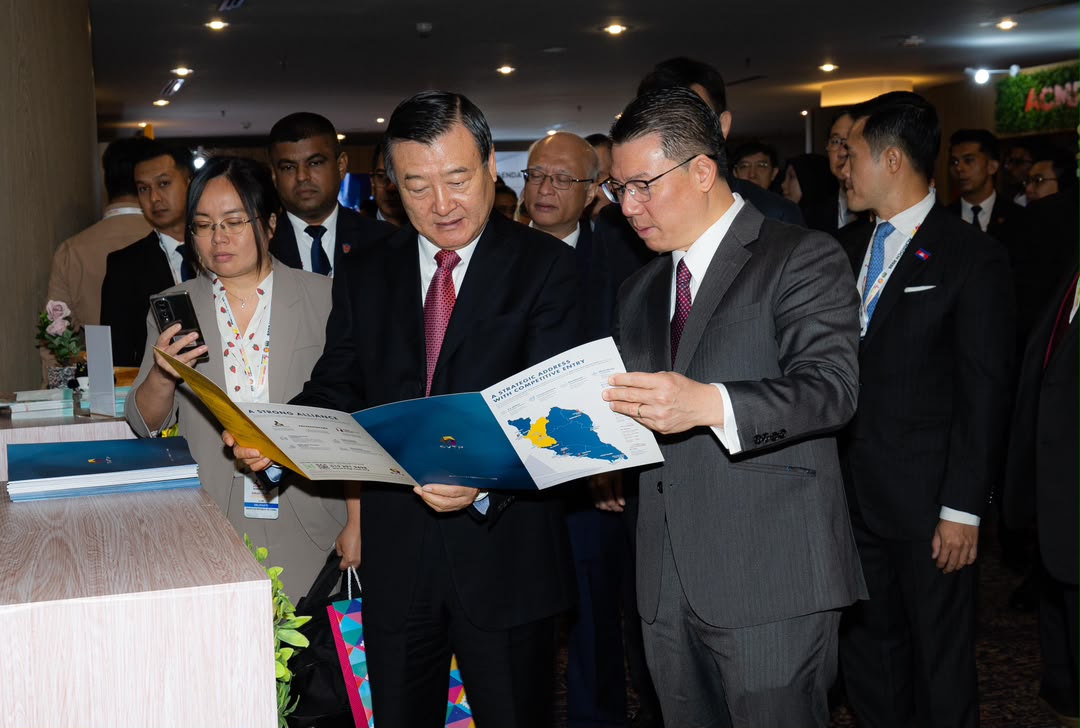
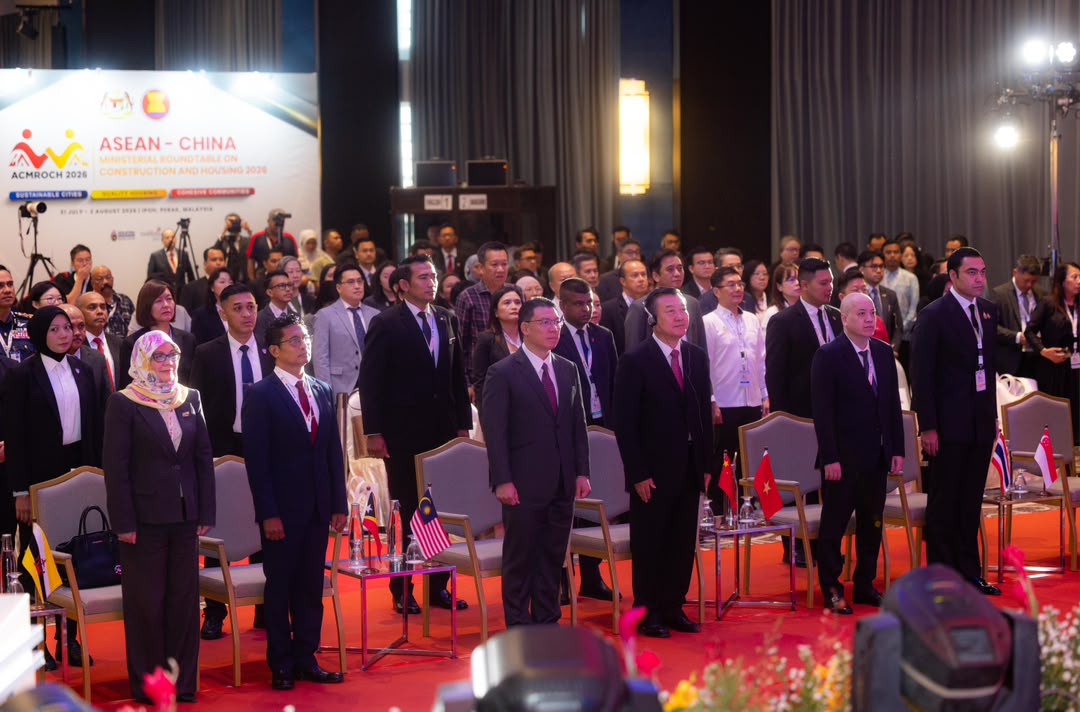
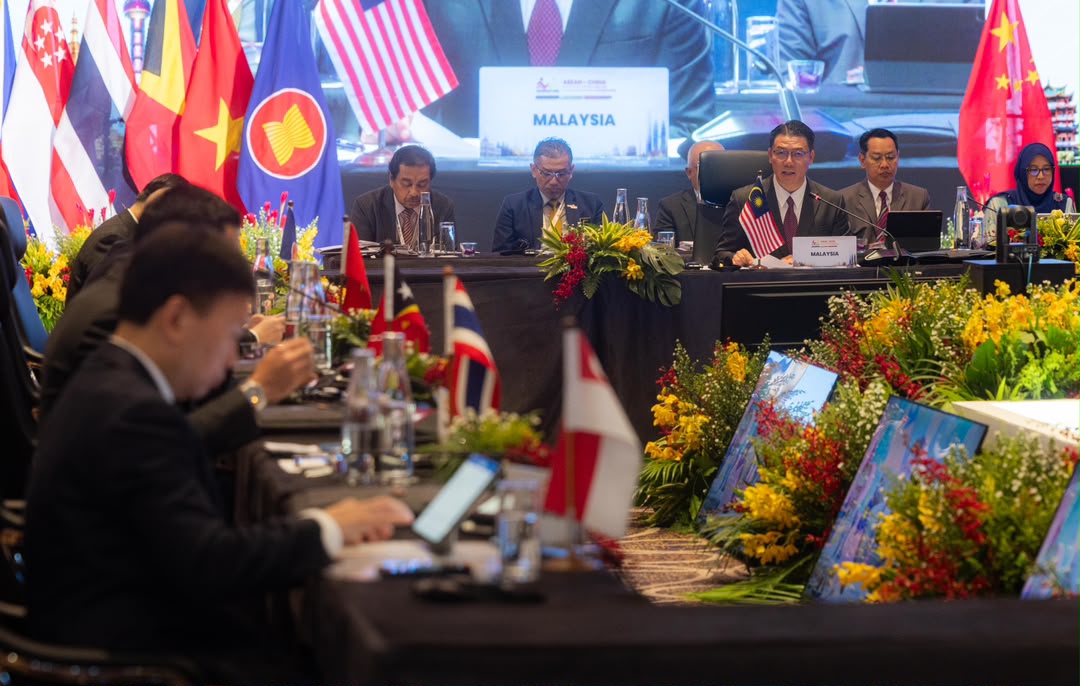
Nga was speaking at the opening ceremony of ACMROCH 2026 at the AC Hotel by Marriott Ipoh today.
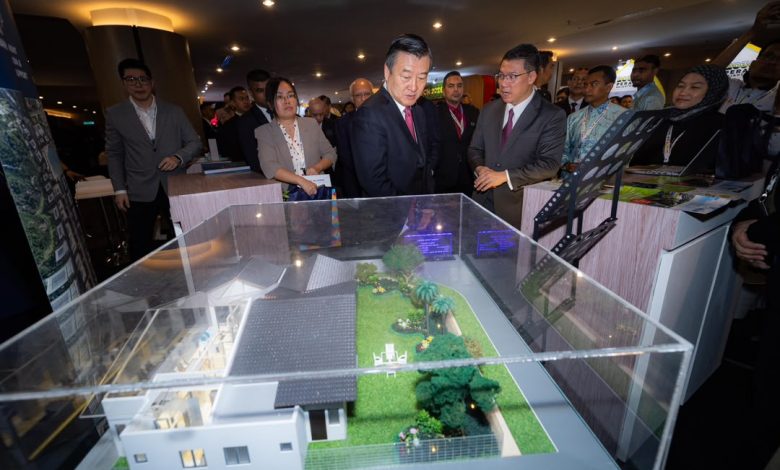
Held under the theme “Sustainable Cities, Quality Housing, Cohesive Communities,” the conference brought together about 300 participants, including ministers, senior government officials and delegates from 11 countries.
ACMROCH 2026 outlined four key priorities to guide urban transformation across the region.
The first focuses on accelerating the development of energy-efficient and climate-responsive housing.
The second aims to promote value-driven housing and inclusive, affordable urban growth.
The third seeks to strengthen the resilience of urban infrastructure through the provision of quality water supply, energy and essential public services.
The fourth emphasises building cohesive communities through the development of safe, inclusive and liveable neighbourhoods for people from all walks of life.
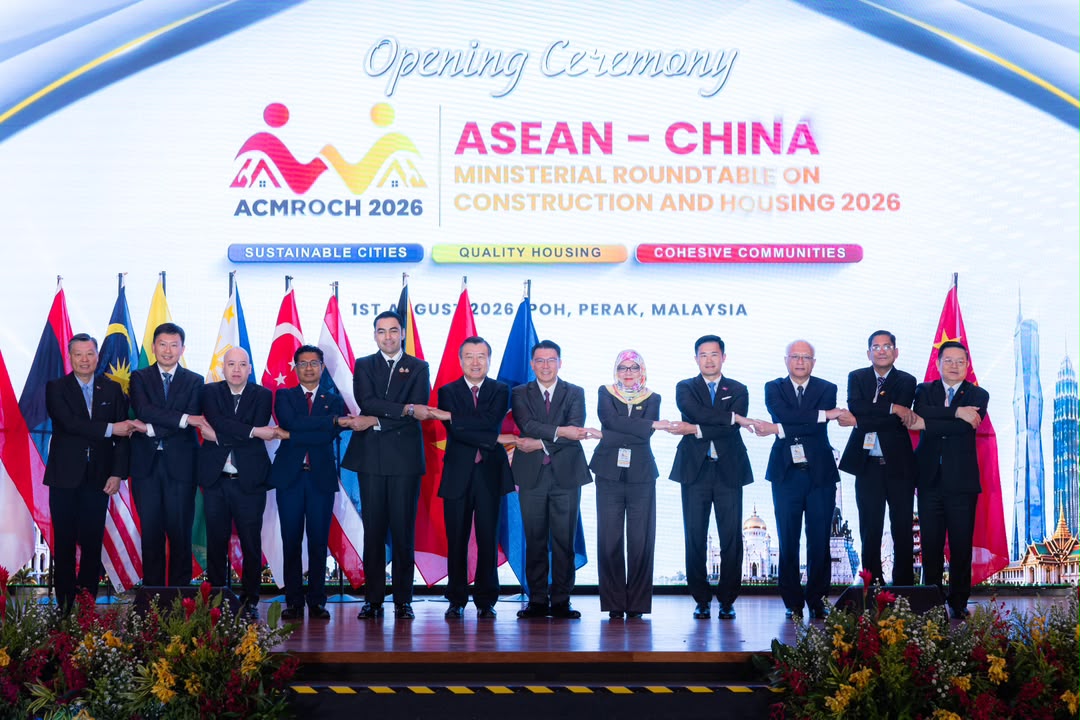
Nga said the four priorities would serve as the foundation for closer ASEAN-China cooperation in the construction and housing sectors.
He also stressed that the art of building cities cannot be separated from the responsibility of creating a better quality of life for the people.
He added that the diversity of experiences among ASEAN member states is one of the region’s greatest strengths in developing sustainable, resilient and transformative solutions for the future.