By: Rosli Mansor Ahmad Razali
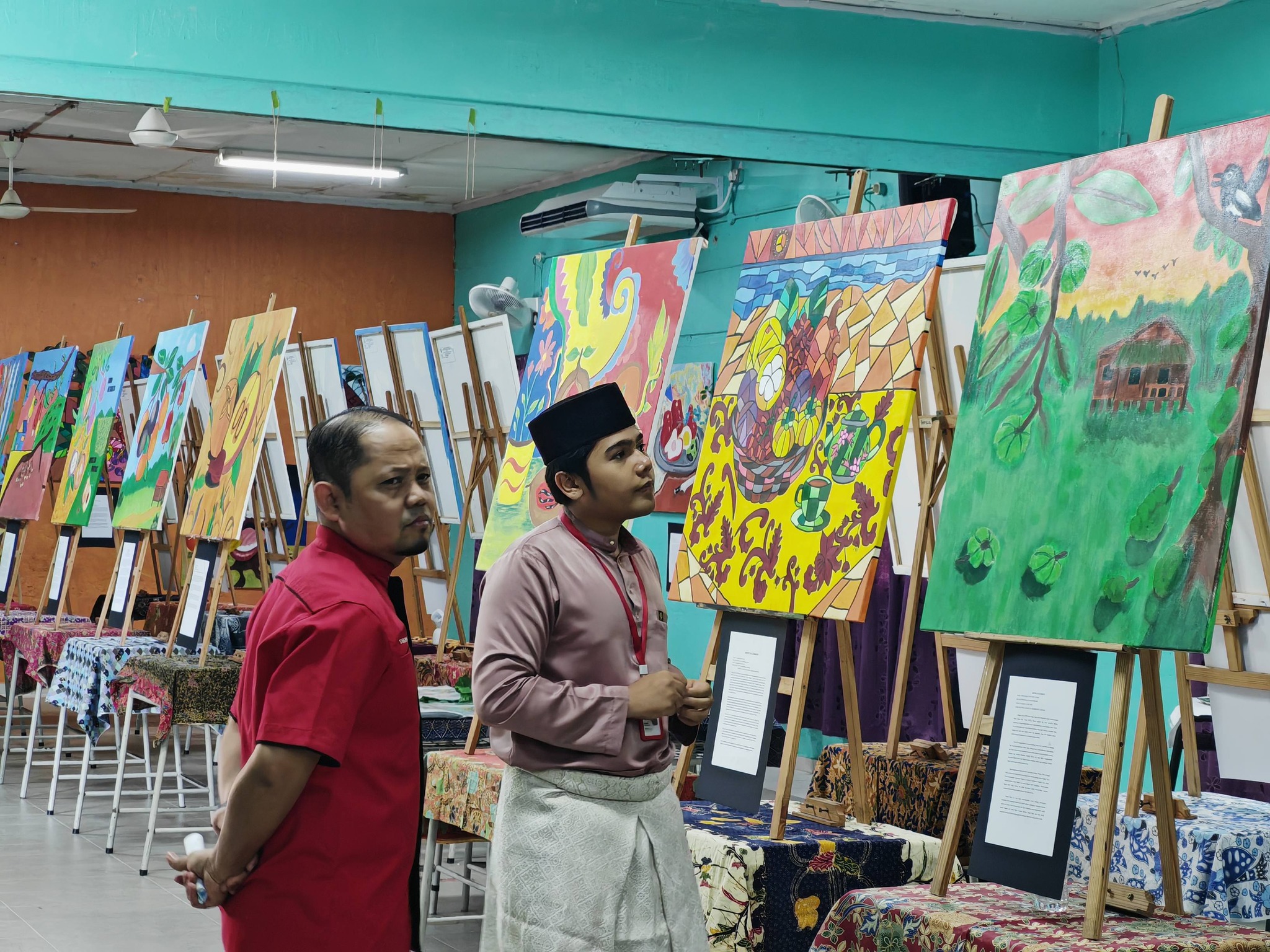
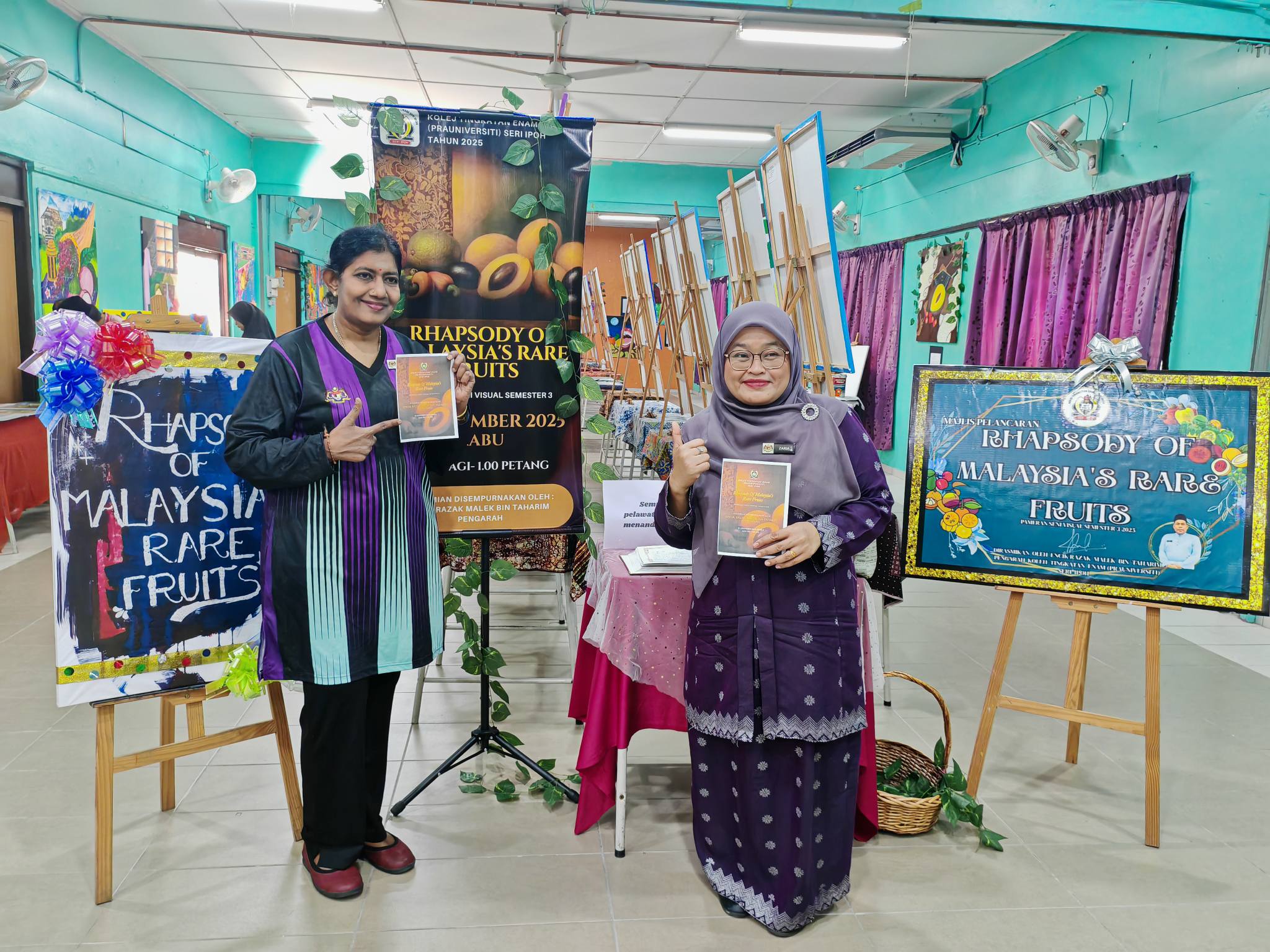
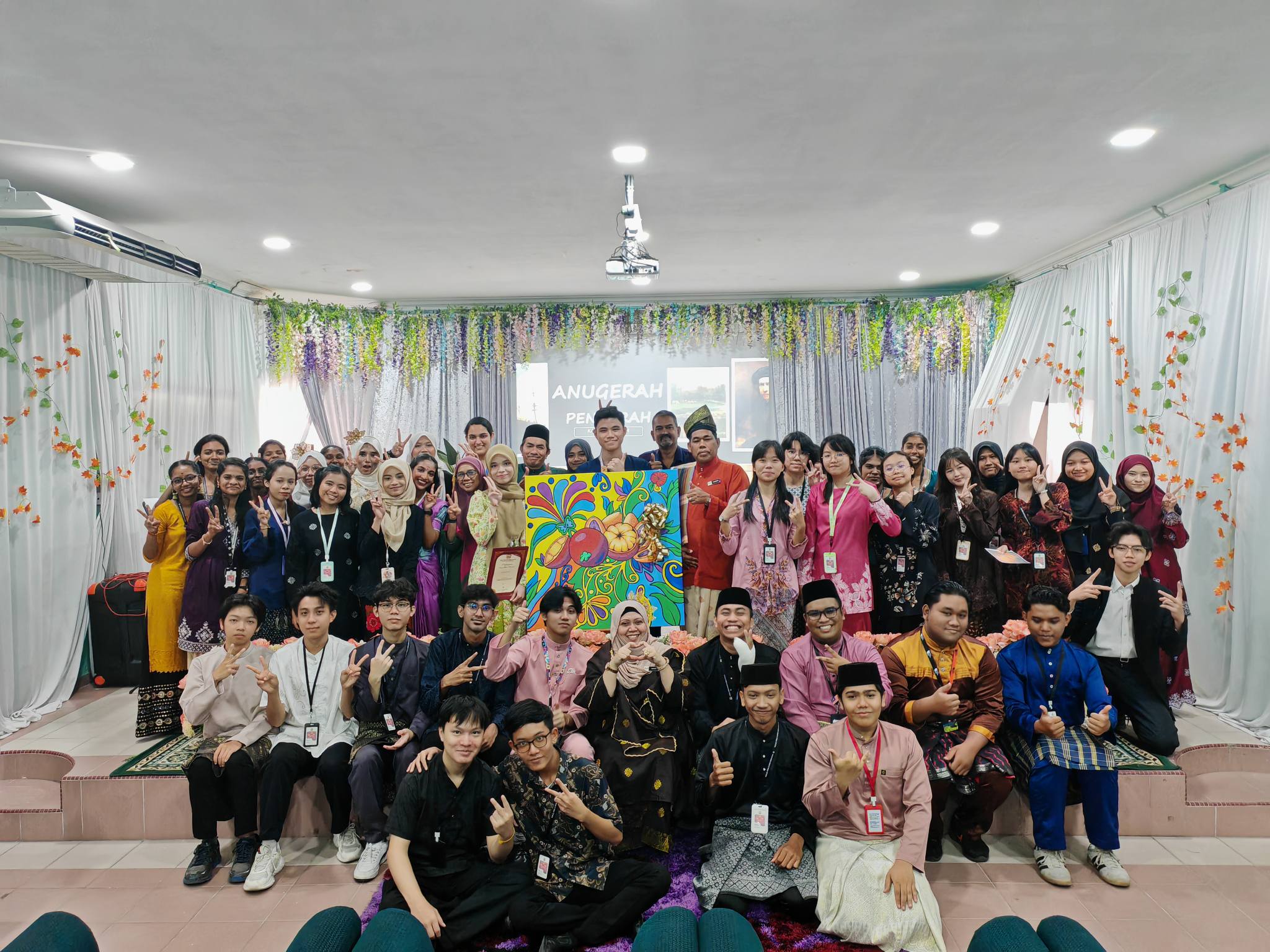
IPOH: Students at Kolej Tingkatan Enam Seri Ipoh (KTESI) are rediscovering Malaysia’s rare traditional fruits through an art exhibition that highlights the country’s cultural and botanical heritage.
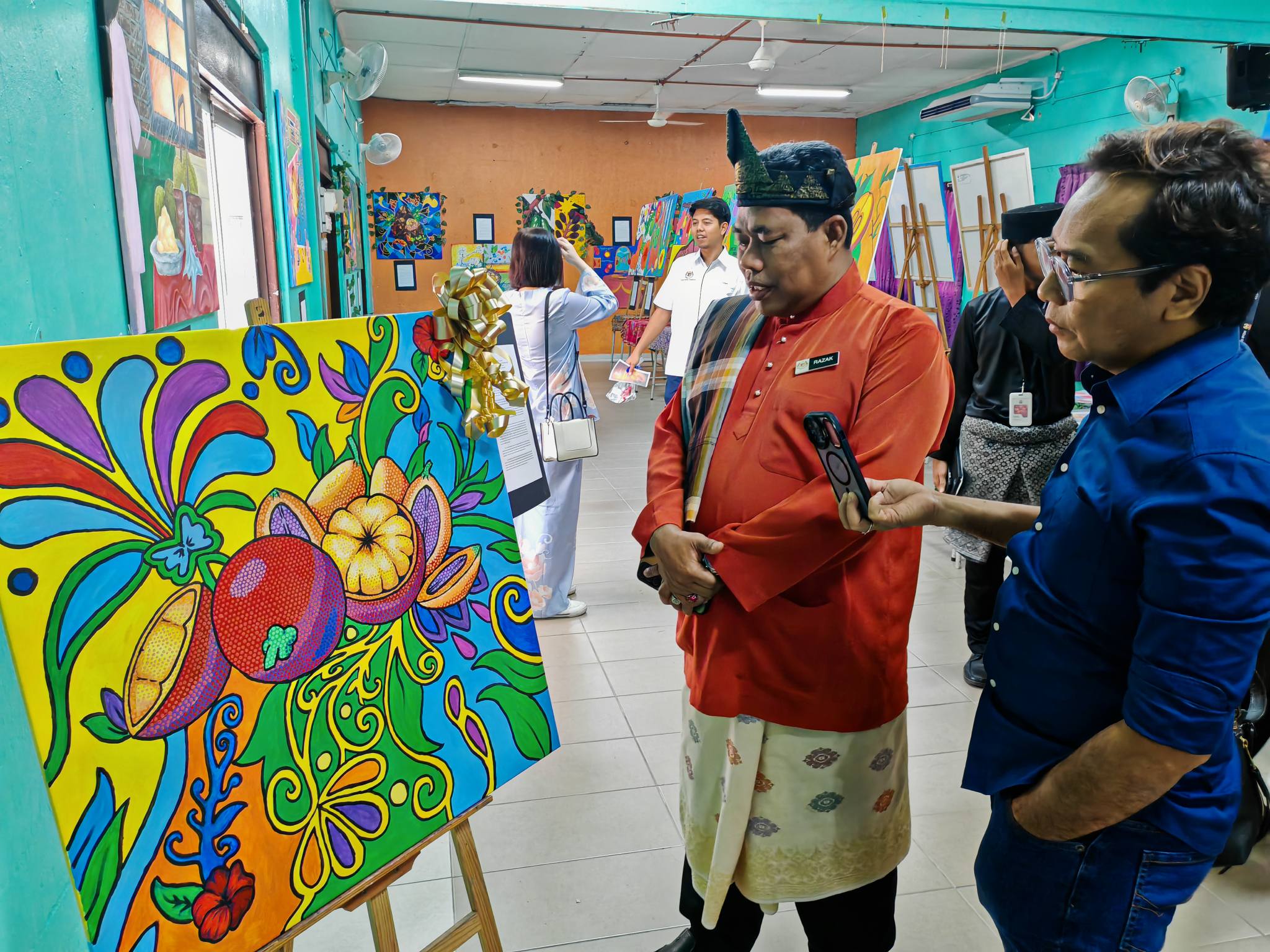
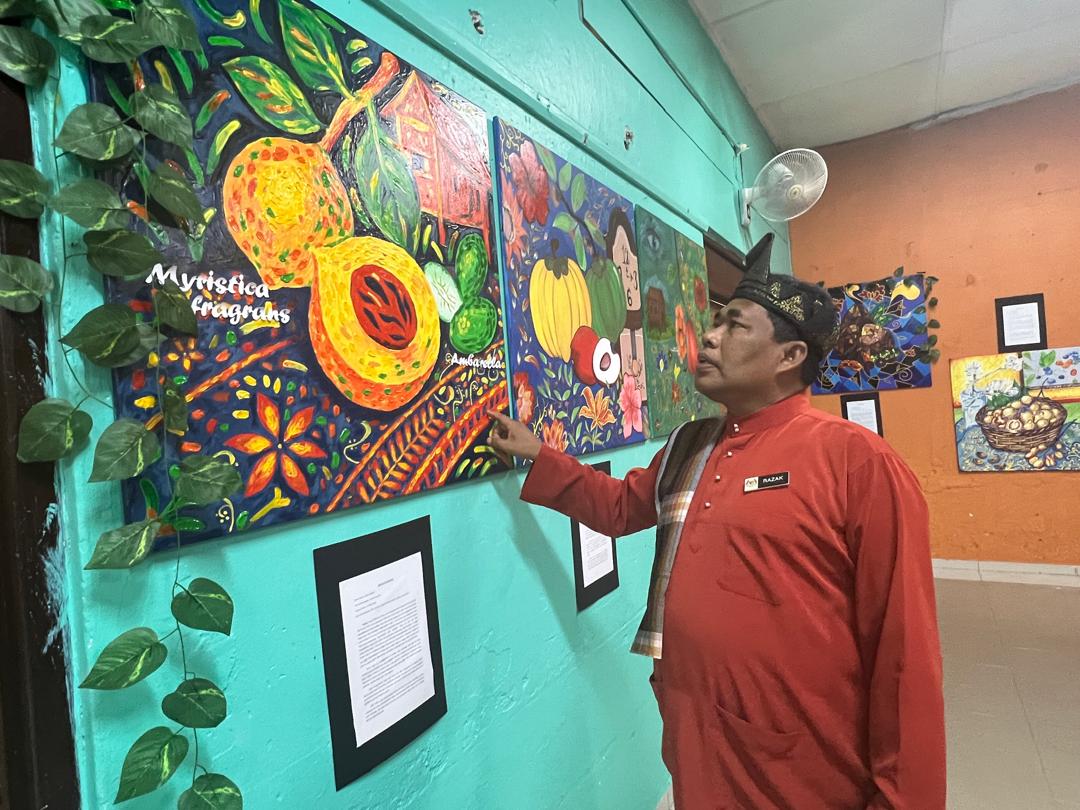
The KTESI director, Razak Malek Taharim, said that using rare fruits as the subject of the project not only nurtured students’ creativity but also helped younger generations learn about fruits that were once part of daily life, including tampoi, dabai, kundang, bidara, and sengkuang tanah.
“Many young people today have never heard of these fruits, let alone tasted them,” he told Ipoh Echo/Peraktastic recently during the Rhapsody of Malaysia’s Rare Fruits exhibition.
He shared a personal memory of his hometown in Lenggong, which was once featured on TV3 for its traditional dish, kebebel.
“Kebebel is over 100 years old, made from a mix of cermai, ara, cedong, chilli, belacan, and salt. The fruits’ unique sour taste is actually good for health,” he explained.
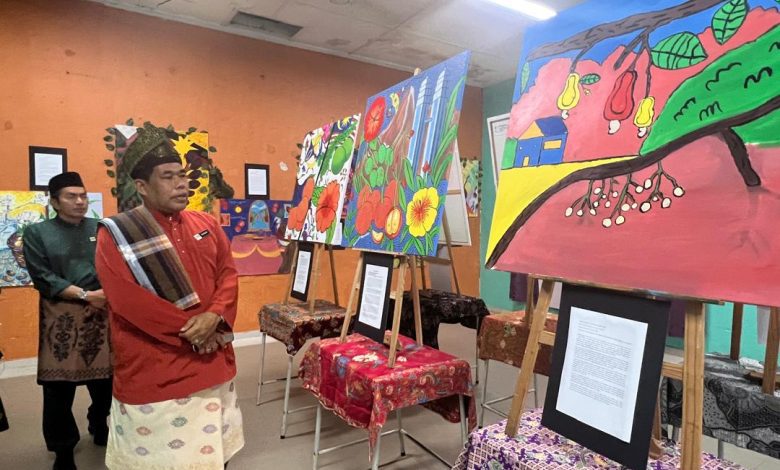
The exhibition showcased 45 artworks created over three semesters. Gen Z students are now able to distinguish rare fruits such as beruas from mangosteen, which they had previously never encountered.
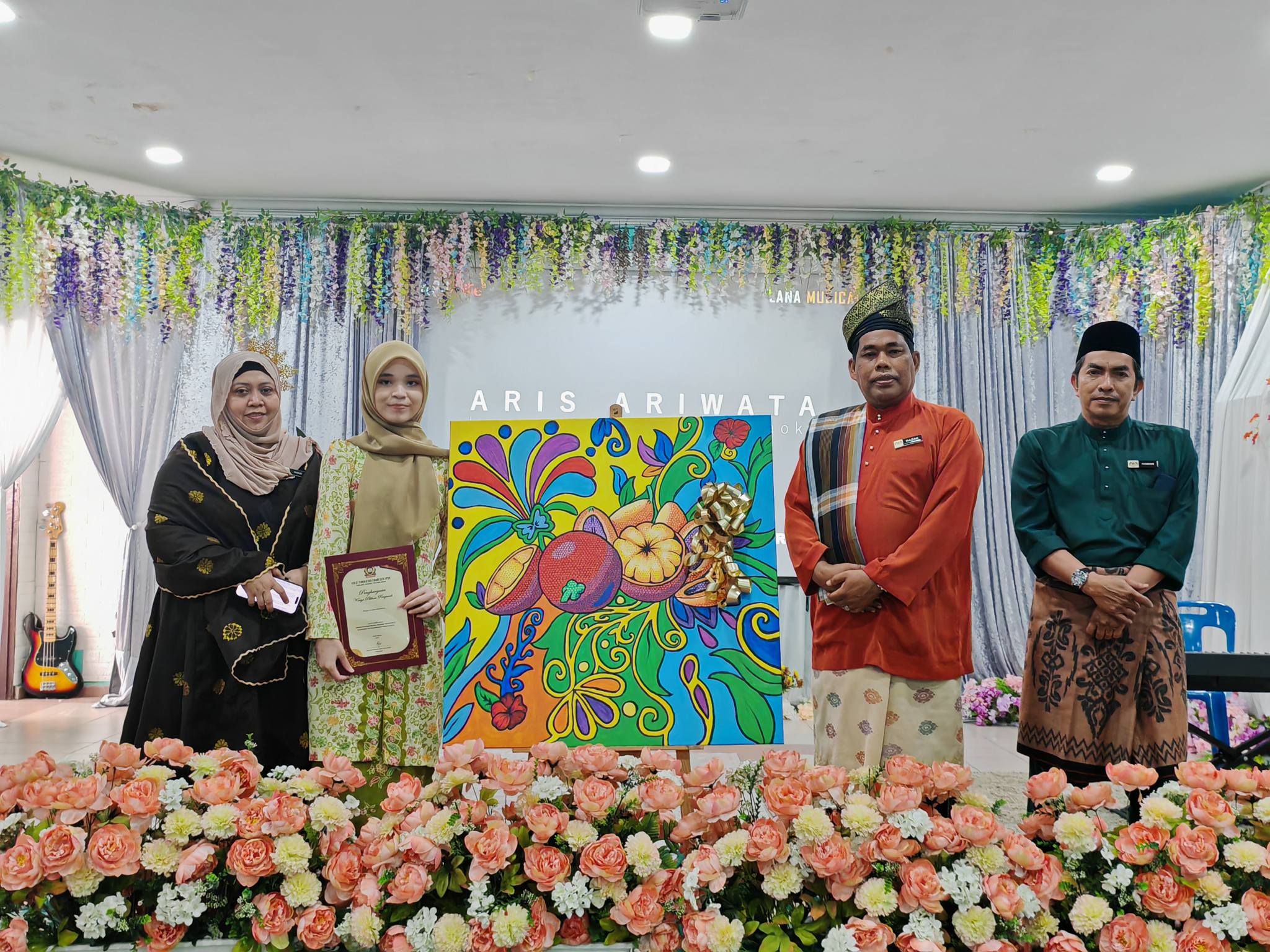
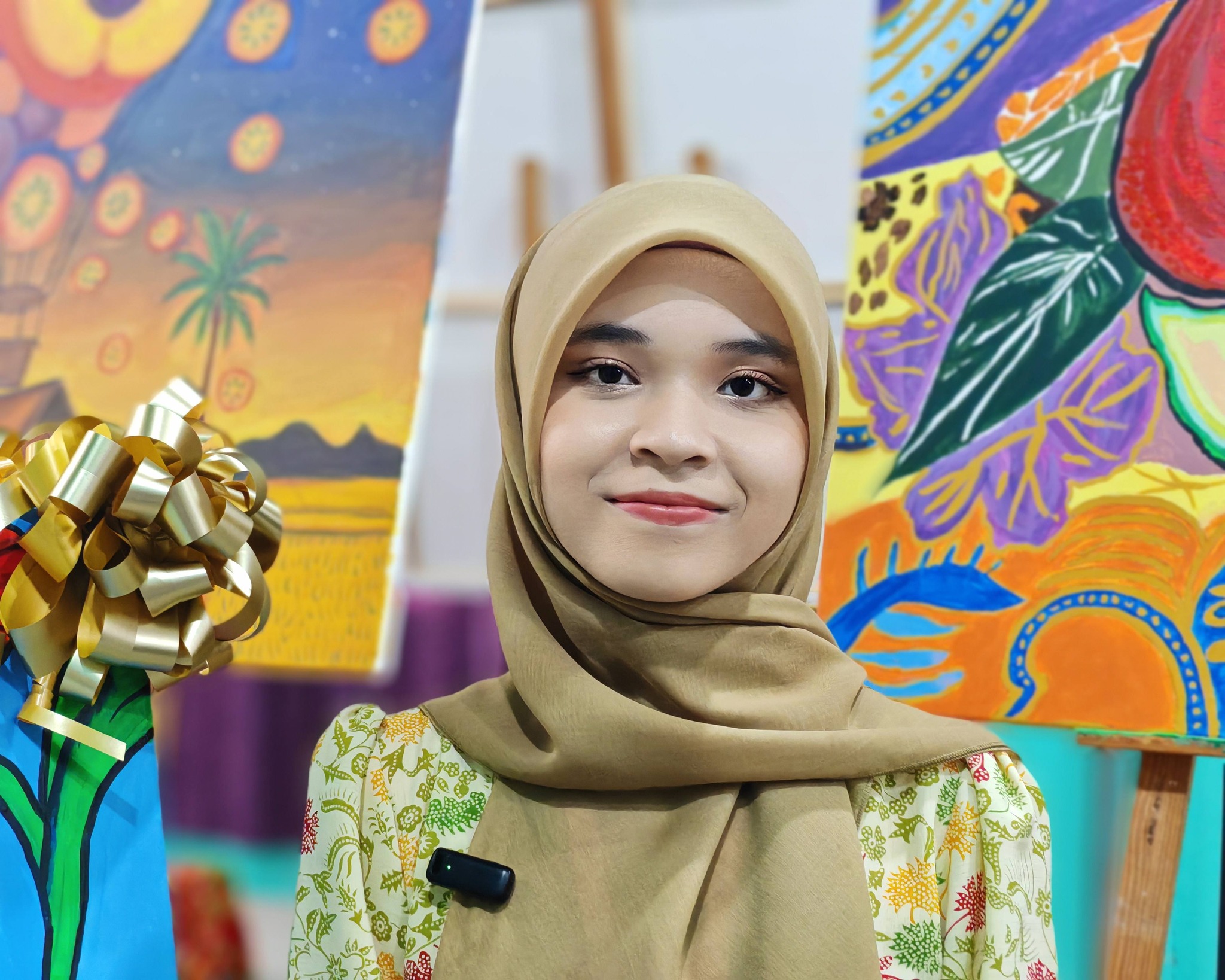
Siti Nur ‘Aqilah Muhammad Zairi won the best artwork with her painting of beruas and kundang. Using a Pop Art style, her piece combines modern elements with traditional symbols like batik patterns and hibiscus flowers.
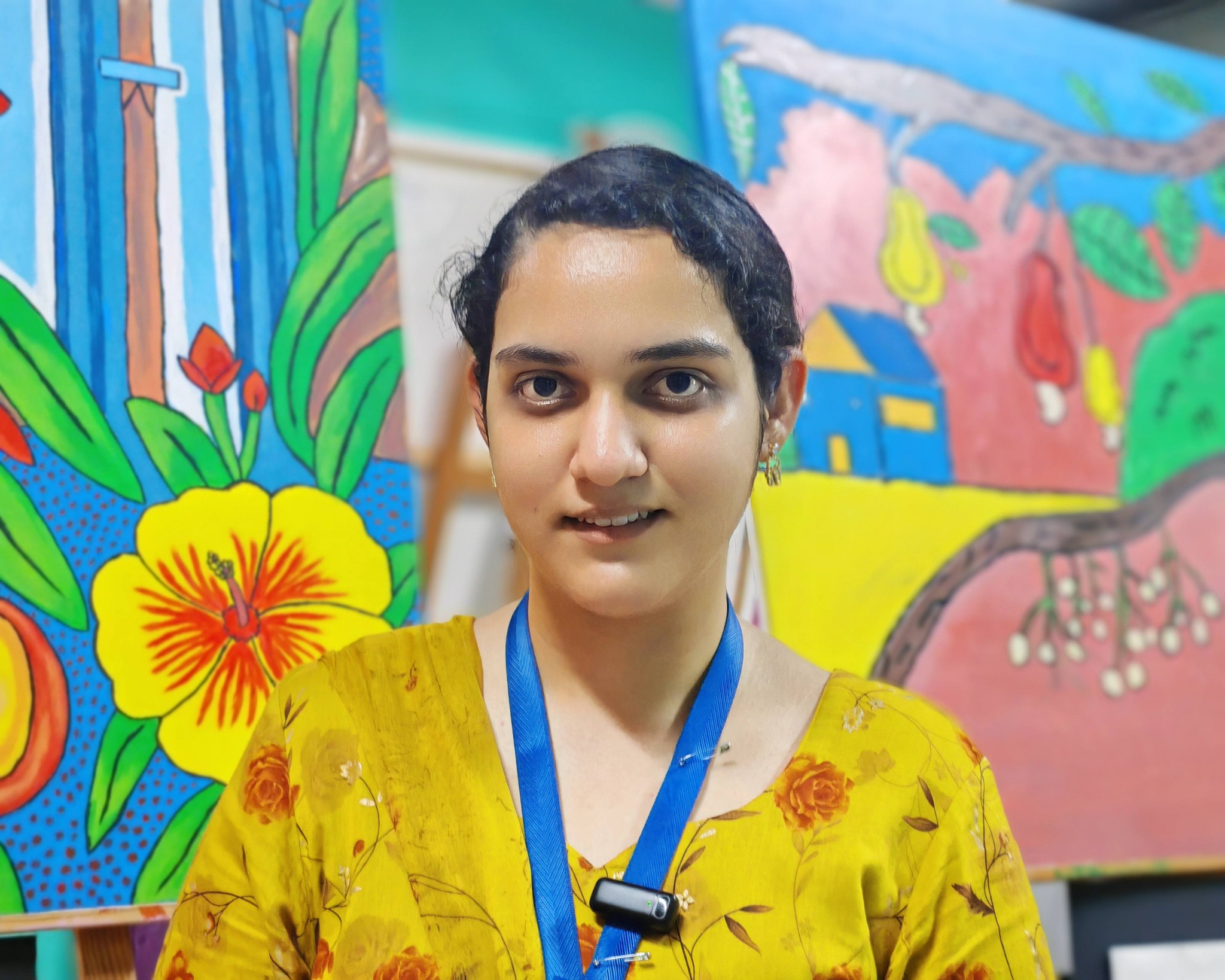
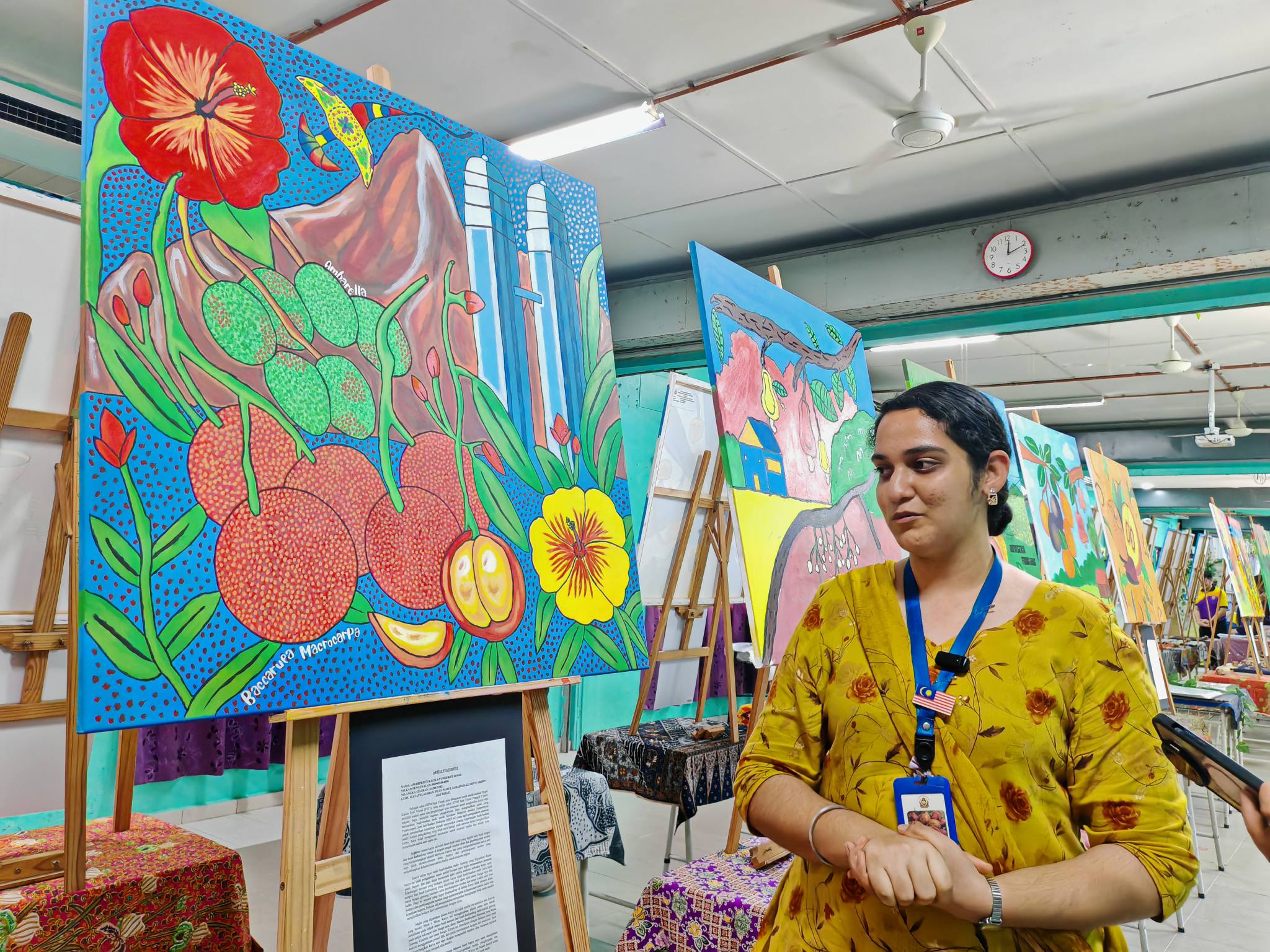
Amarpreet Kaur A/P Inderjit Singh, 19, created her artwork around tampoi and kedondong, blending elements of nature, culture, and modern development.
Her piece features Mount Kinabalu, hibiscus, and the wau bulan, painted with cat emulsion using pointillism and glazing techniques.
“I hope this work increases appreciation for rare fruits and helps preserve local heritage,” she said.
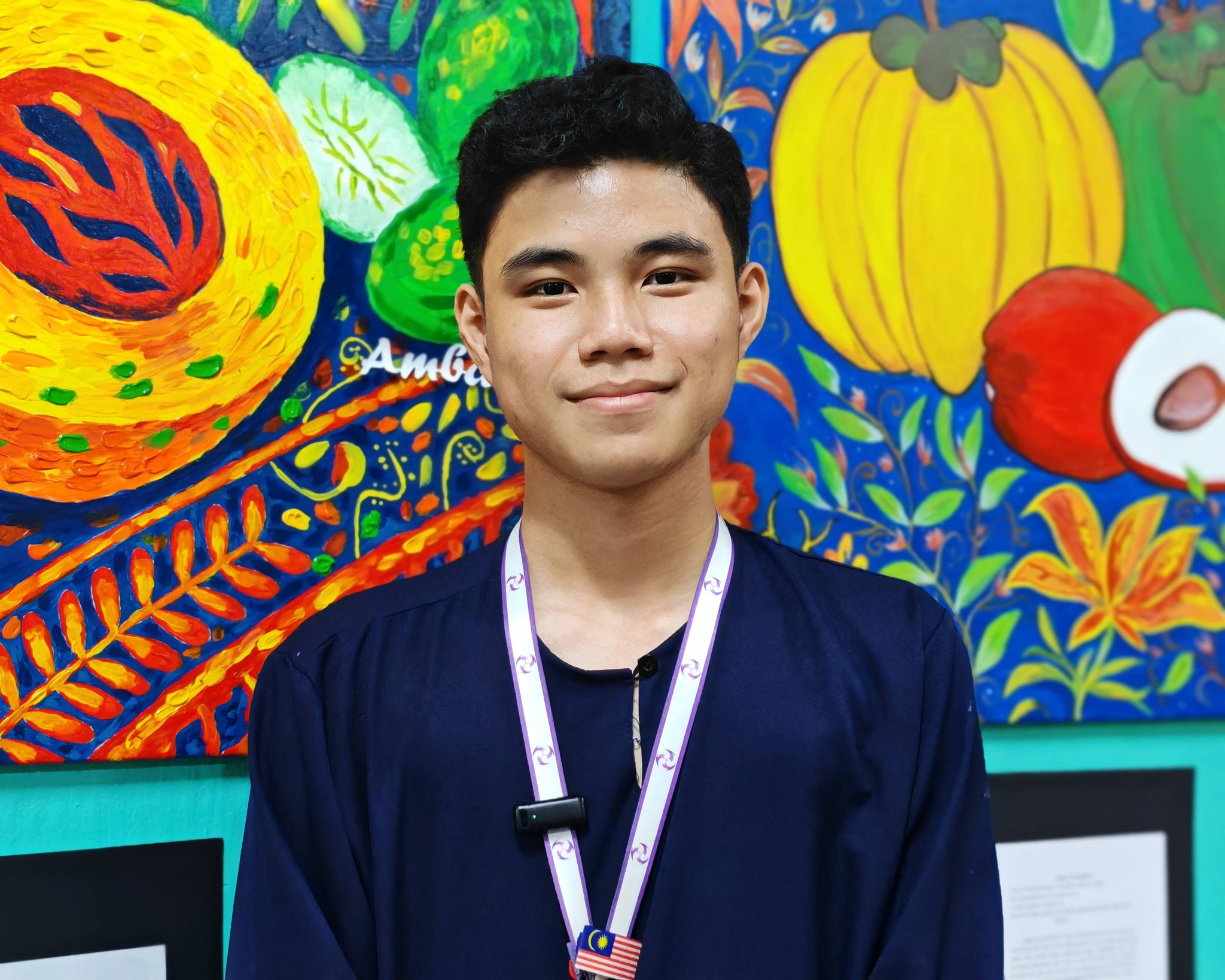
Meanwhile, 19-year-old Koo Chee Seong focused on pala and kedondong, portraying them on batik cloth with a Malay wooden house and forest background.
Using acrylics and a semi-abstract post-impressionist style with impasto techniques, he aims to raise awareness of the fruits’ medicinal value and cultural significance.
“I hope it educates the public and encourages the preservation of our heritage,” he said.
Among the visual arts teachers involved were Hashim Arshad and Nurul Sarah Hijazi, while the exhibition curator was Koo Chee Seong.