
By: Rosli Mansor Ahmad Razali
IPOH: Some 43.2 percent of senior citizens in Malaysia are physically inactive, raising concerns over various health issues and their overall quality of life.
Perak Human Resources, Health, Indian Community Affairs and National Integration Committee chairman Datuk A. Sivanesan said the findings from the 2023 National Health and Morbidity Survey (NHMS) should be given serious attention, particularly as Perak is among the states with a high proportion of elderly residents.
He said senior citizens should be encouraged to lead healthy and active lives, remain independent, stay socially engaged and continue to live with dignity.
“As the population continues to age, we are facing challenges such as chronic diseases, the risk of falls, mobility problems, cognitive decline, depression, loneliness and social isolation.
“Elderly care must be comprehensive and holistic, focusing not only on treating illnesses but also on maintaining physical health, mental well-being, independence and quality of life,” he said.

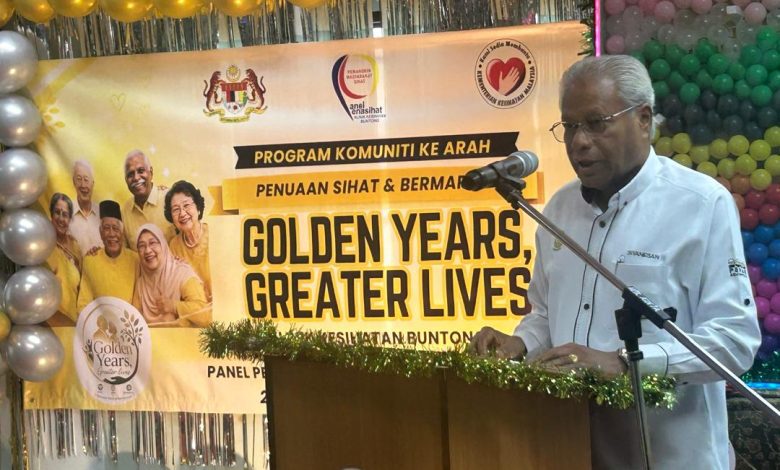
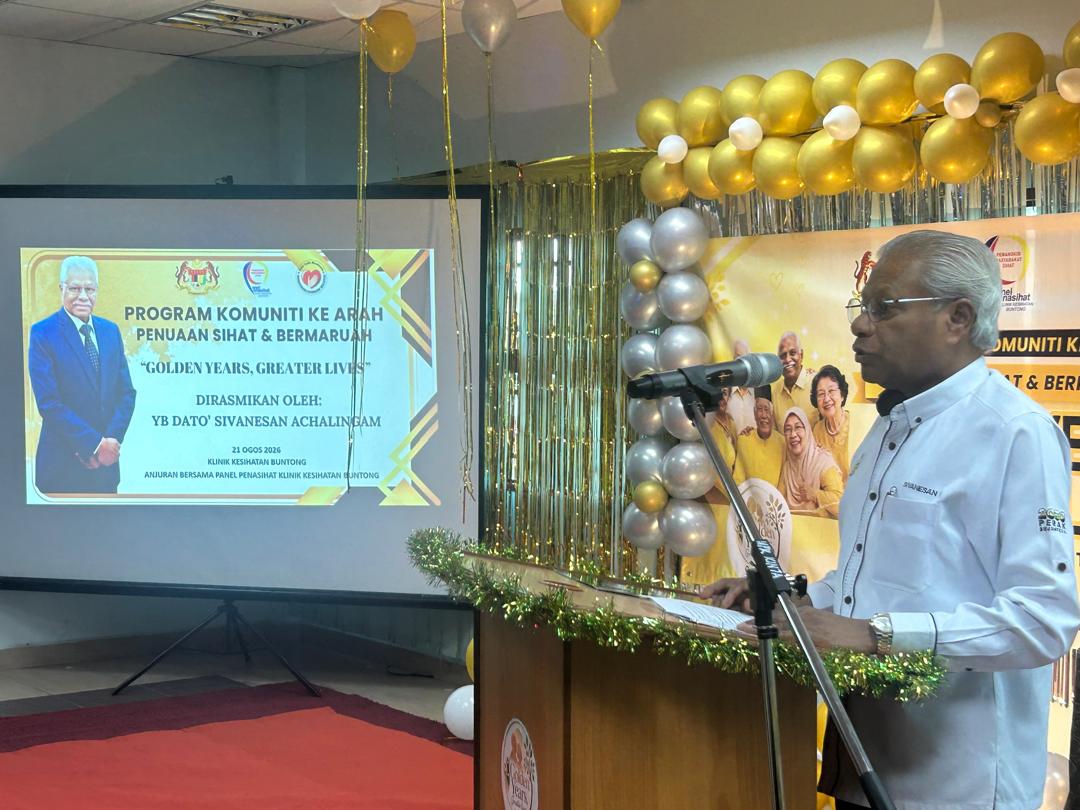
He said this when officiating the Community Programme Towards Healthy and Dignified Ageing, themed ‘Golden Years, Greater Lives’, at the Buntong Health Clinic here today.
The programme, organised by the Buntong Health Clinic in collaboration with its Clinic Advisory Panel, provided senior citizens with the opportunity to undergo early health screenings, including frailty assessments, brief cognitive and depression screenings, as well as PEKA B40 eligibility checks.
Participants were also exposed to health education and took part in activities such as chair and resistance band exercises, quizzes, interactive Bingo sessions, relaxation activities and a multidisciplinary health exhibition.

Sivanesan said efforts to promote healthy ageing could not be shouldered by the health sector alone, but required the involvement of families, caregivers, community organisations and society as a whole.
“Senior citizens have contributed greatly to their families and society. It is our responsibility to ensure that they continue to remain healthy, respected, supported and able to live more meaningful lives,” he said.