By: Rosli Mansor Ahmad Razali
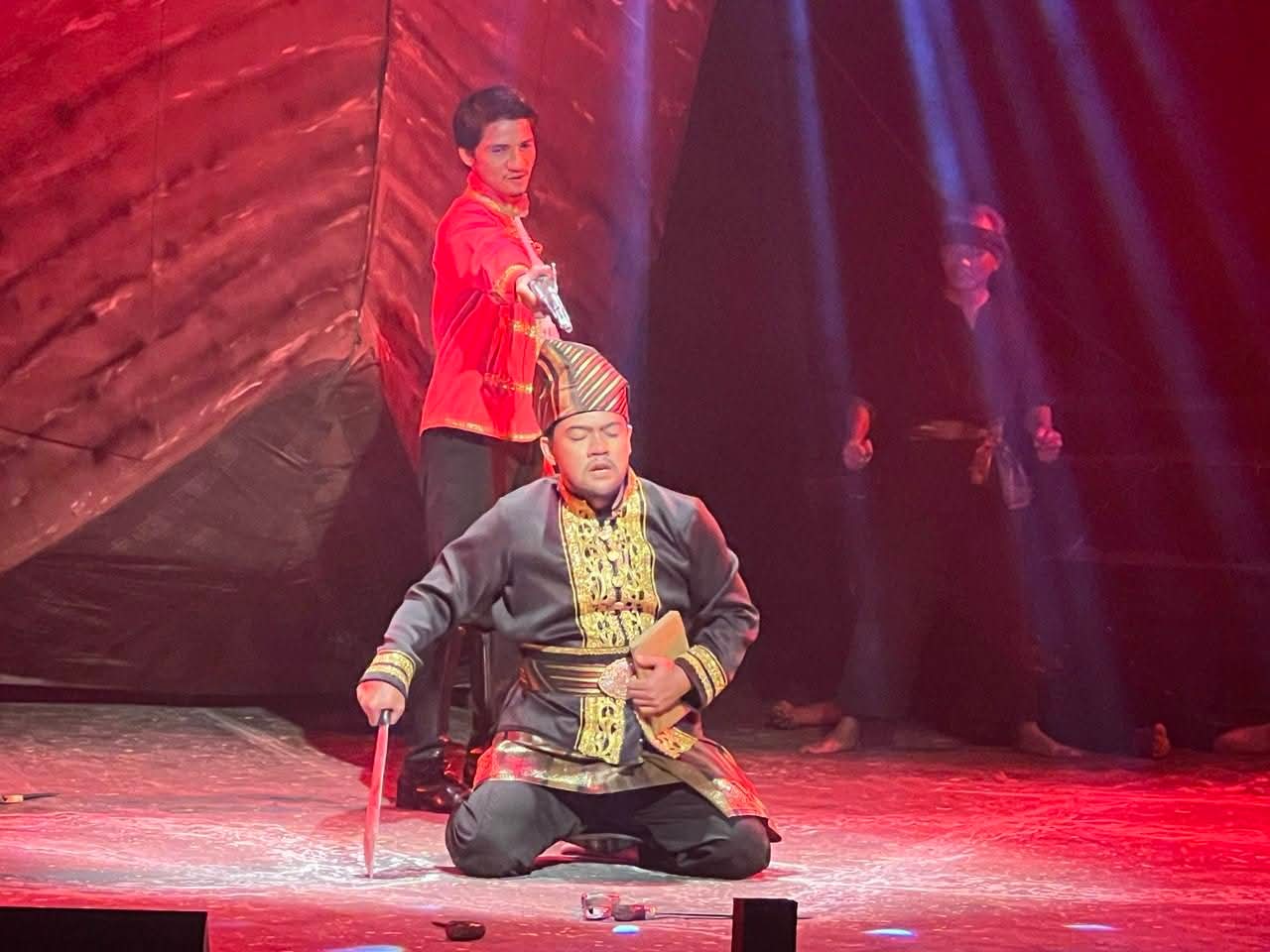
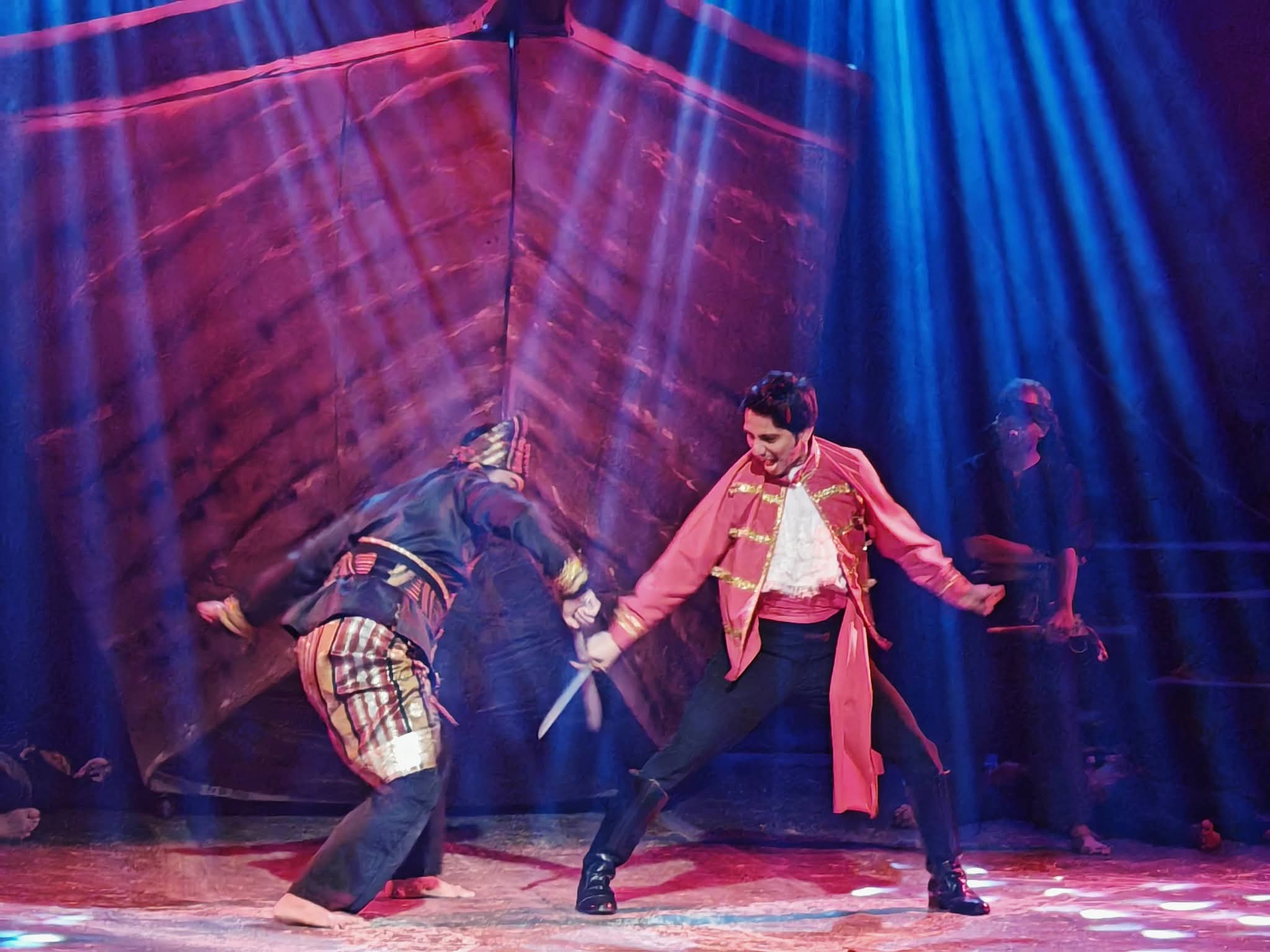
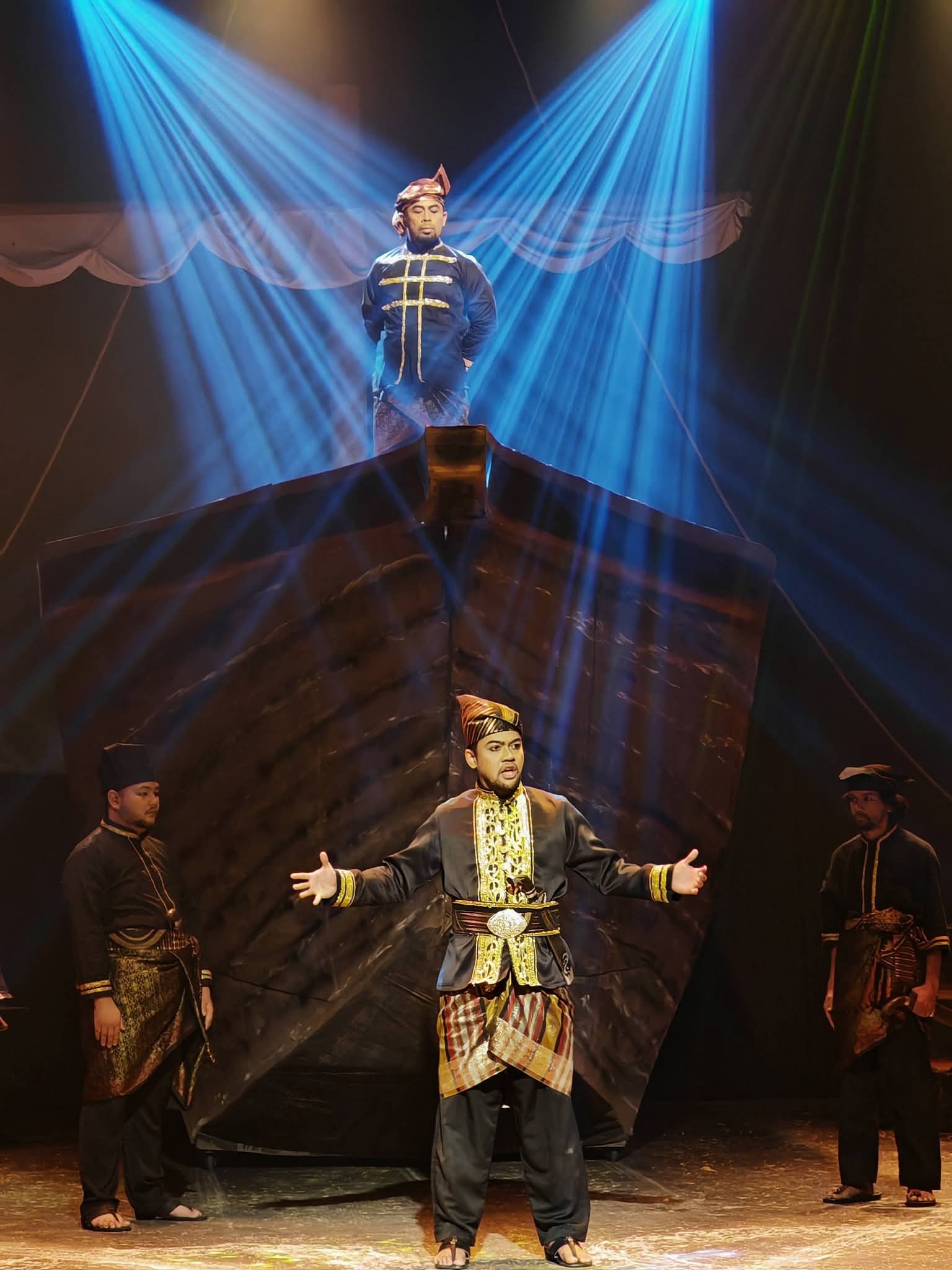
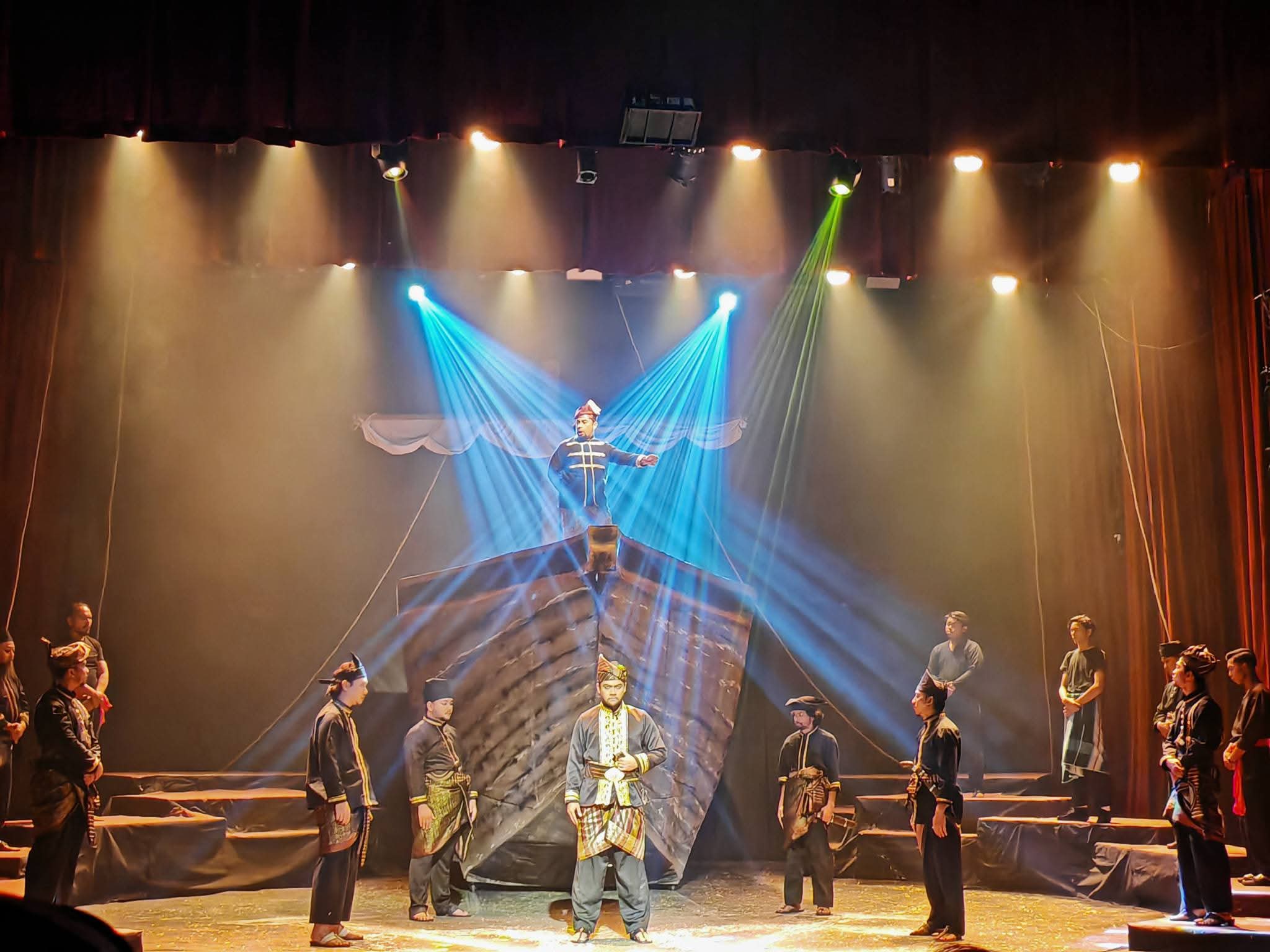
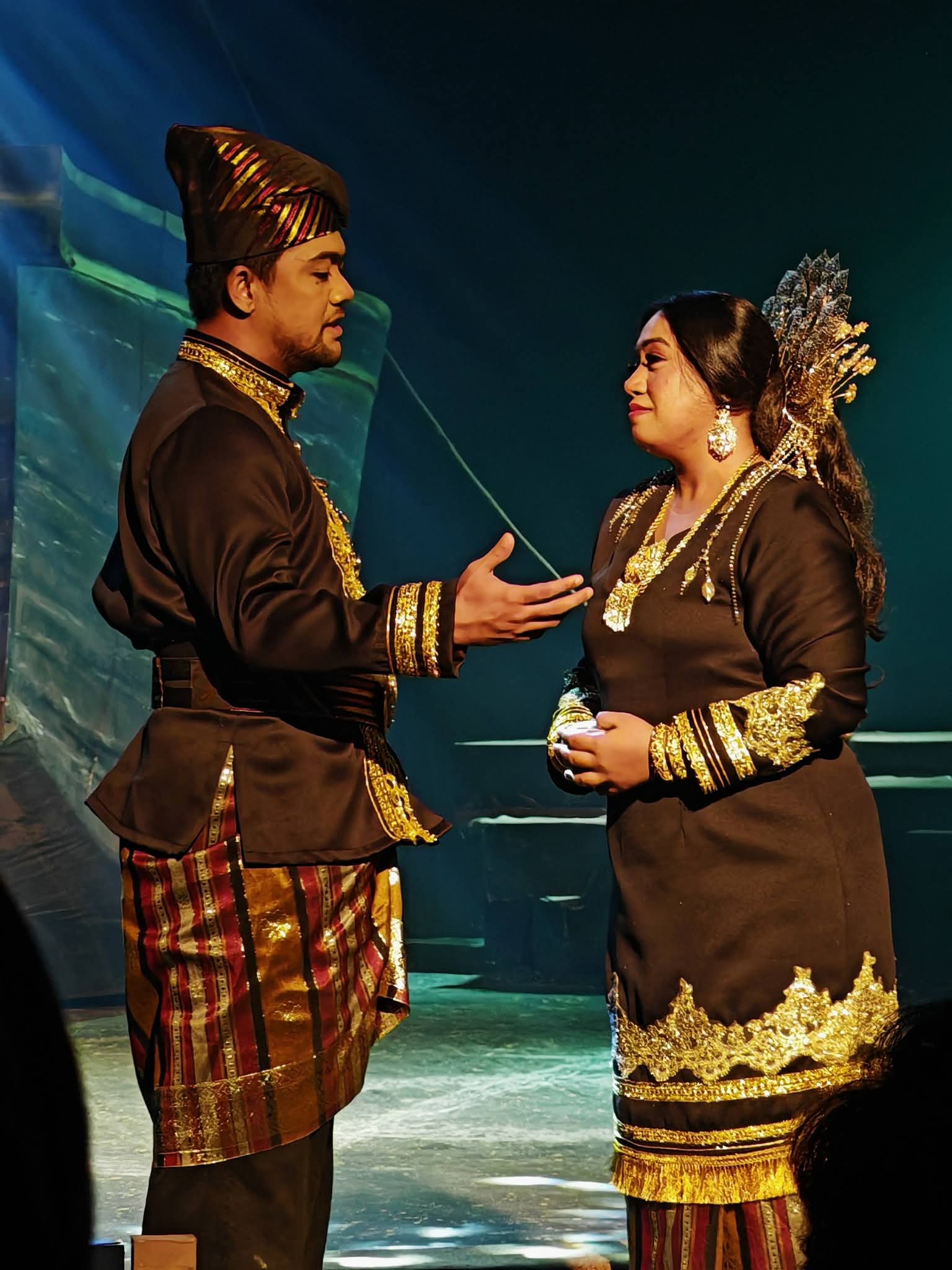
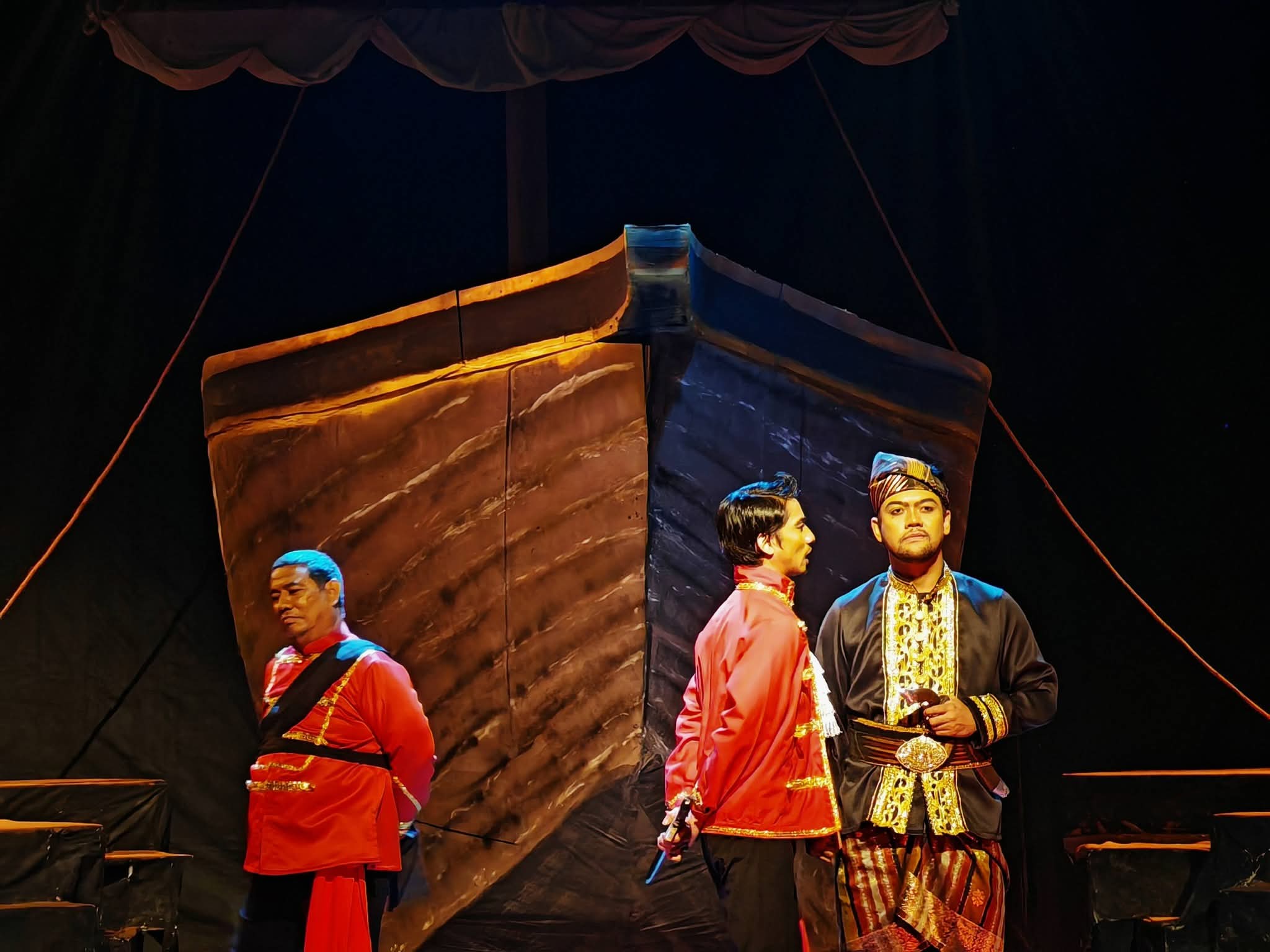
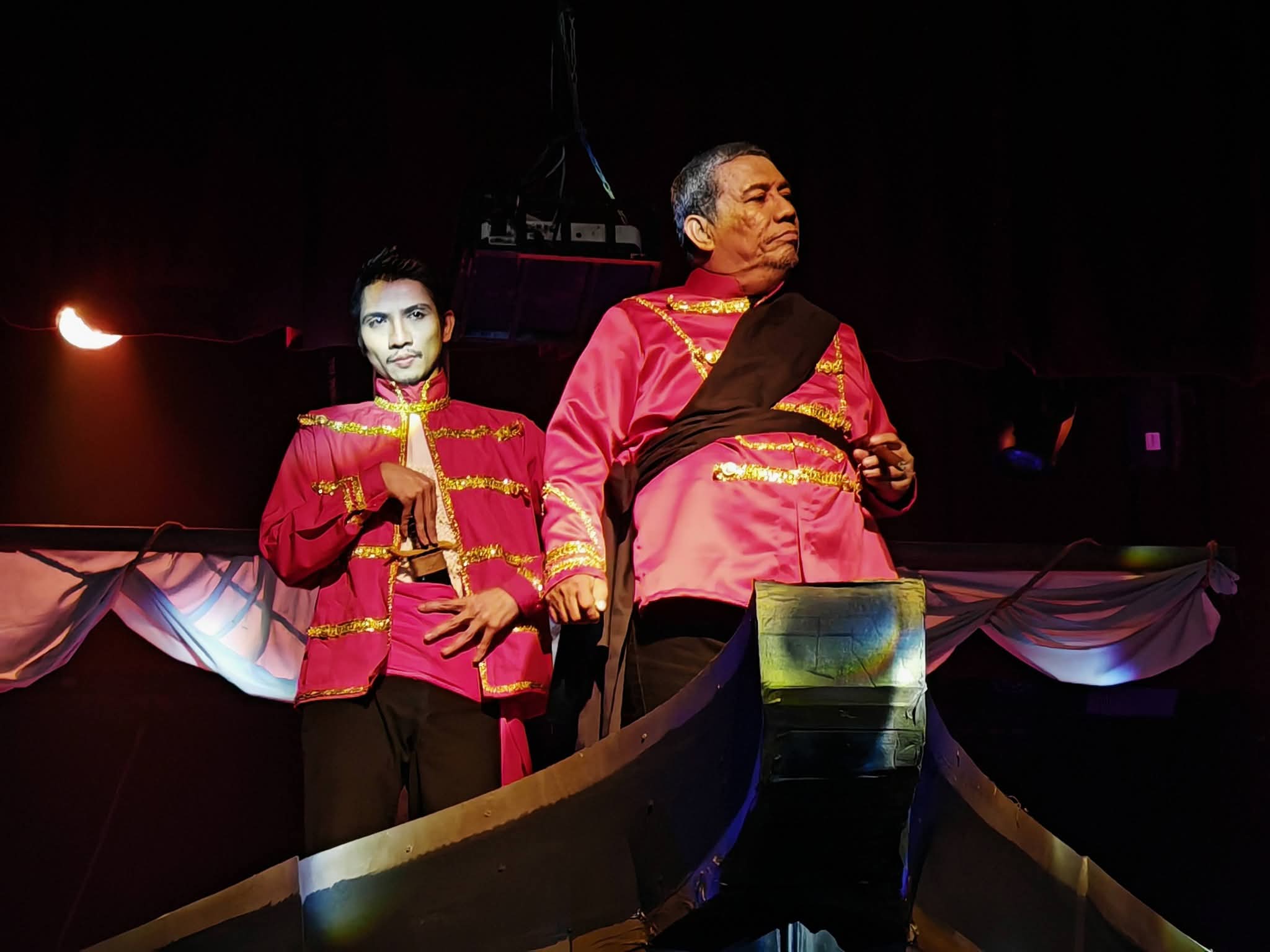
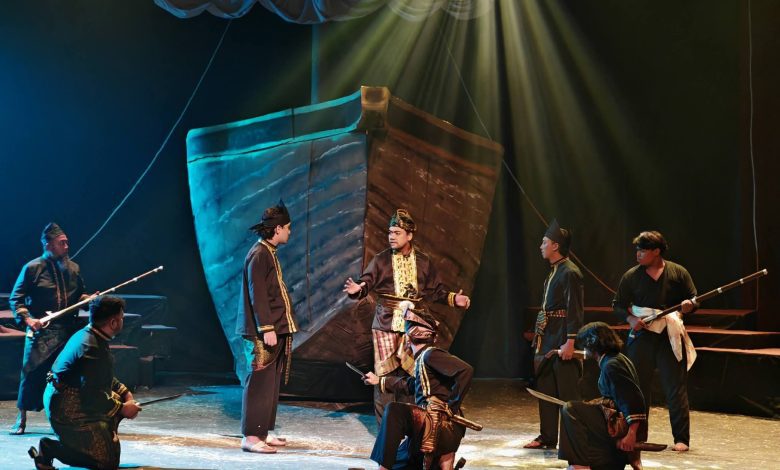
The staging of Teater Raja Haji Fisabilillah, directed by Ard Omar and presented on December 27 and 28, 2025, emerges as a bold effort to merge traditional bangsawan with a contemporary experimental theatre approach.
This production challenges the audience’s comfort by offering a reinterpretation of historical narratives through a more symbolic and modern stage language.
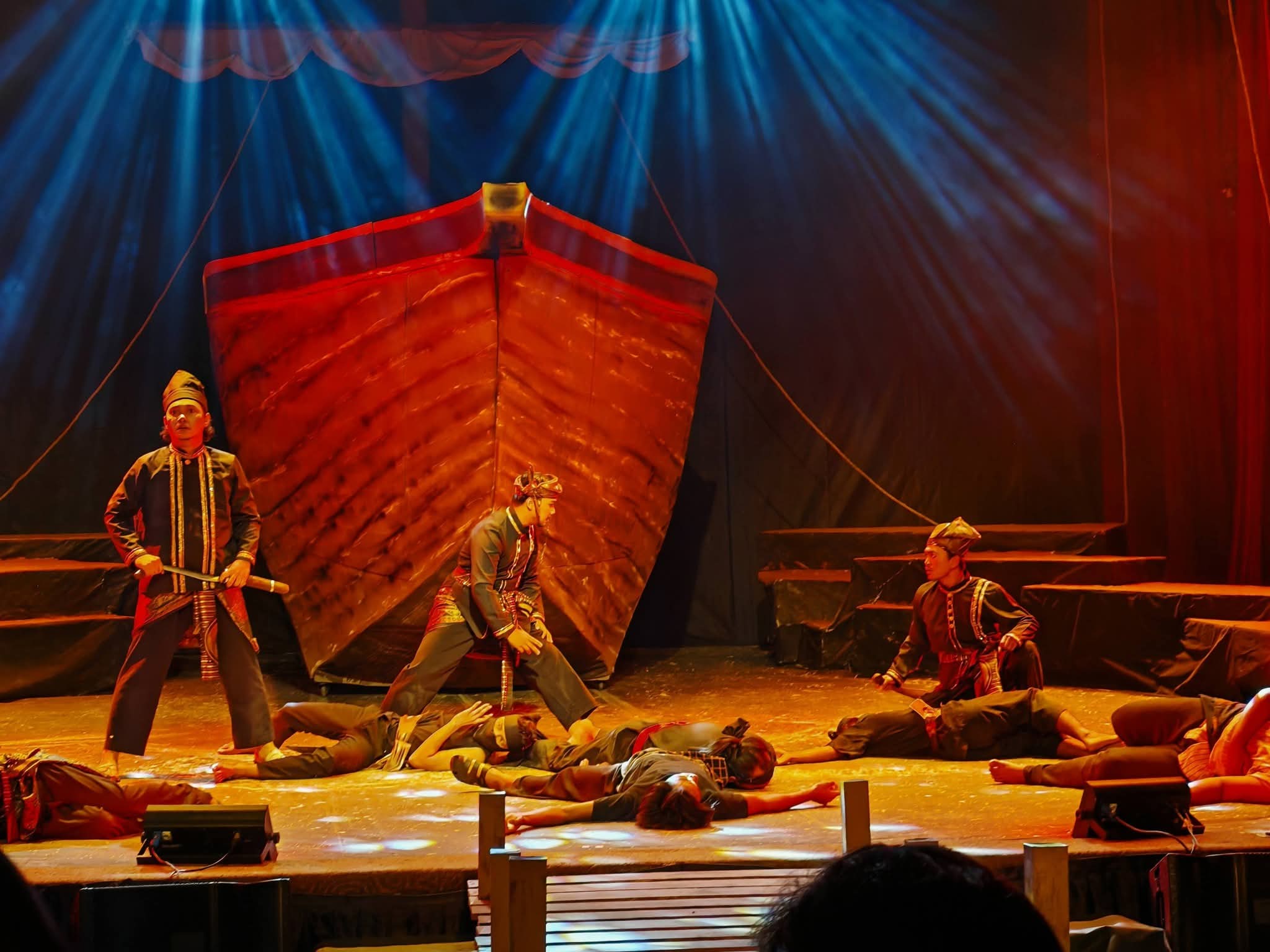
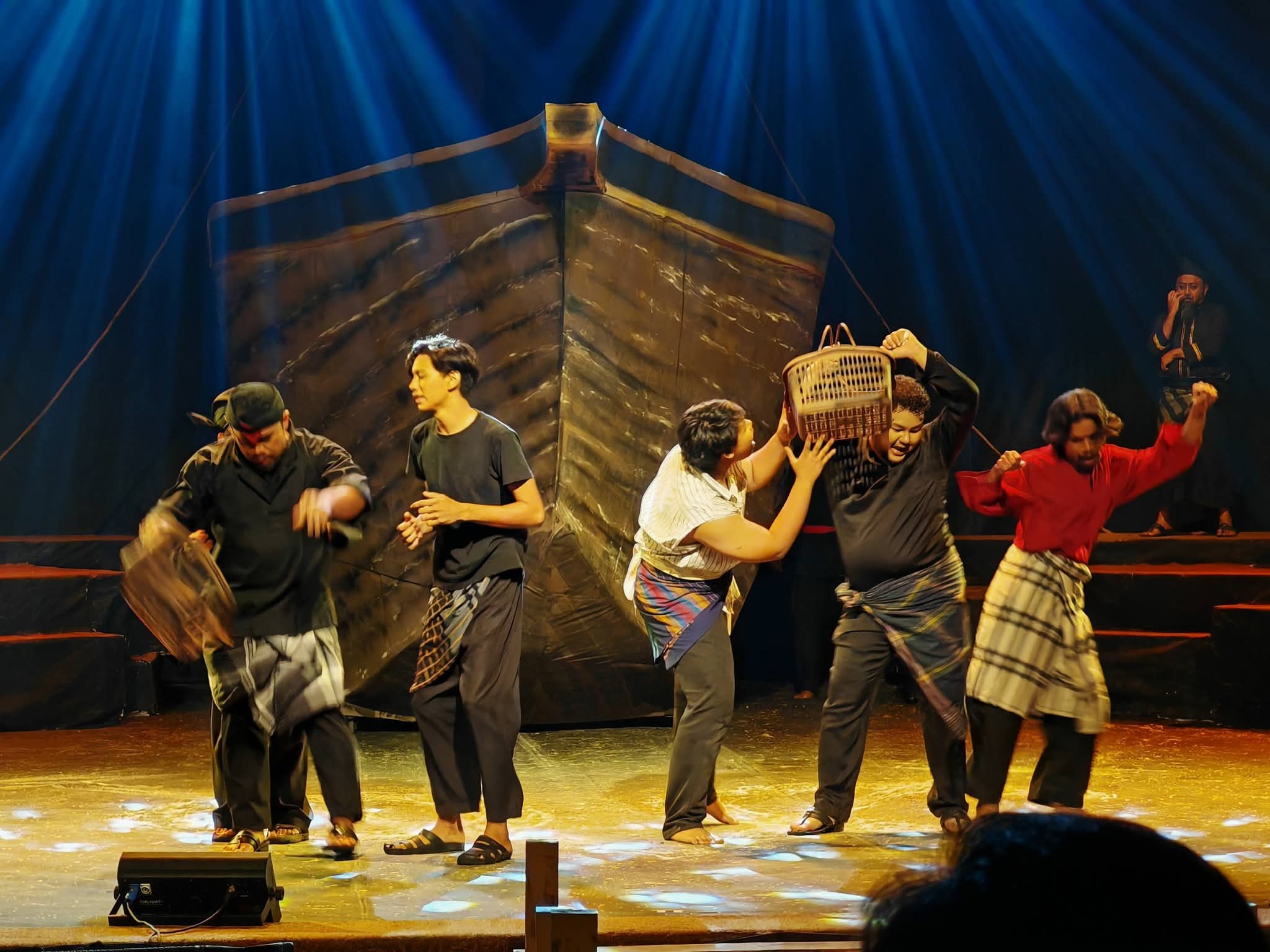
The principal strength of the production lies in its use of movement as a visual language. Every gesture, use of objects, and stage configuration functions as a narrative symbol, elevating the work beyond conventional bangsawan into a more conceptual and aesthetic discourse.
Live music stands out as the most prominent experimental element, playing a key role in shaping the rhythm and emotional tone of the performance.
In its effort to preserve tradition, Ard Omar succeeds in retaining the core elements of bangsawan, including linguistic style, script structure, and the extra turn.
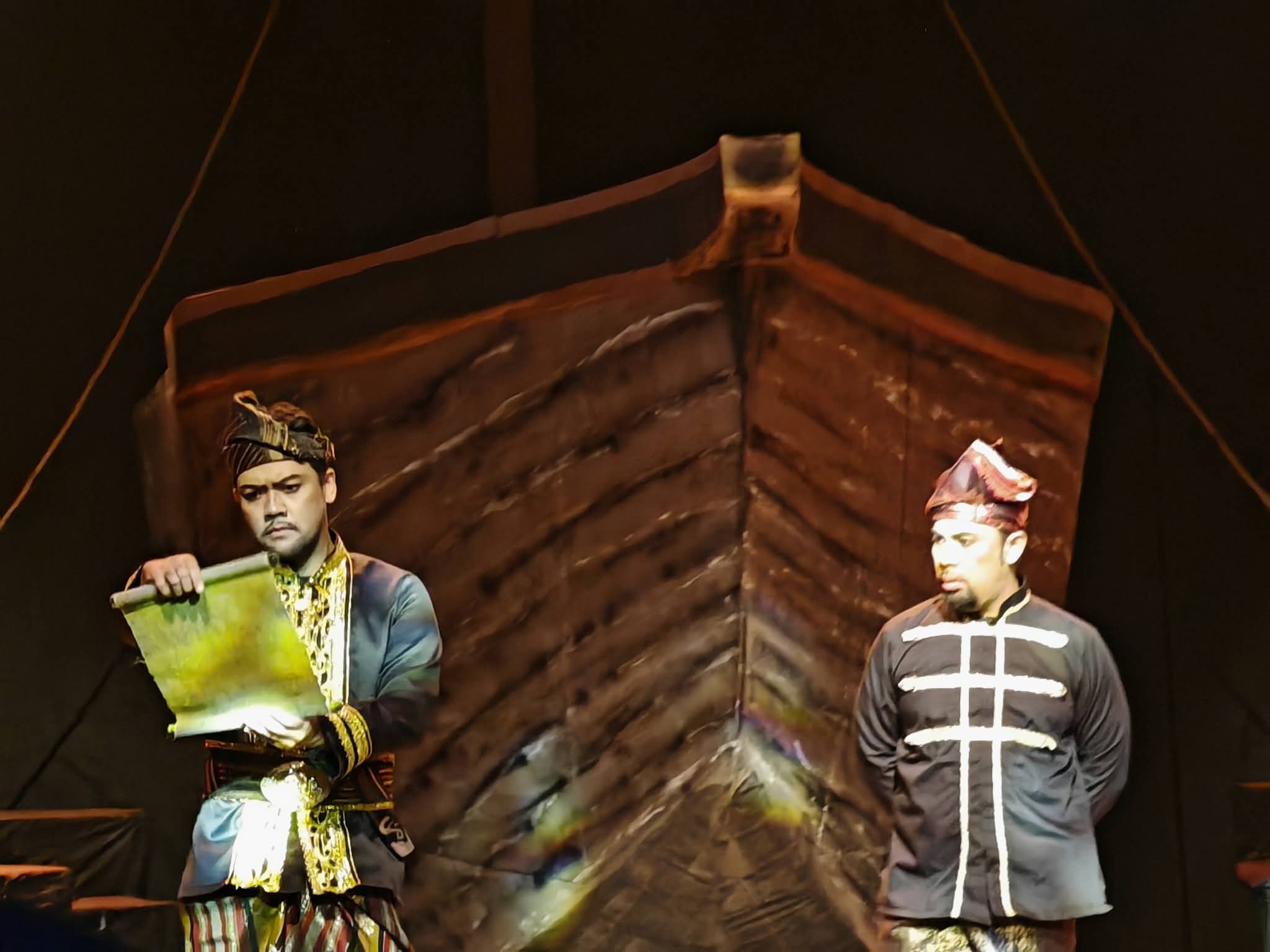
The adaptations introduced are interpretative in nature and reflect the courage to align classical forms with the demands of the modern stage.
From an acting perspective, an imbalance in performers’ experience is clearly evident. Razman Mahayuddin, in the role of Raja Haji, is less successful in conveying the aura of heroism and leadership authority, while Taha Azhar’s portrayal of Toger Aboe proves more effective through convincing command of body language and emotional expression.
Overall, Teater Raja Haji Fisabilillah is a significant production due to its courage in testing the boundaries of tradition. This experimentation opens space for discourse on the future of bangsawan within the modern theatre landscape, proving that tradition can only continue to live when it dares to evolve.