By: Rosli Mansor Ahmad Razali
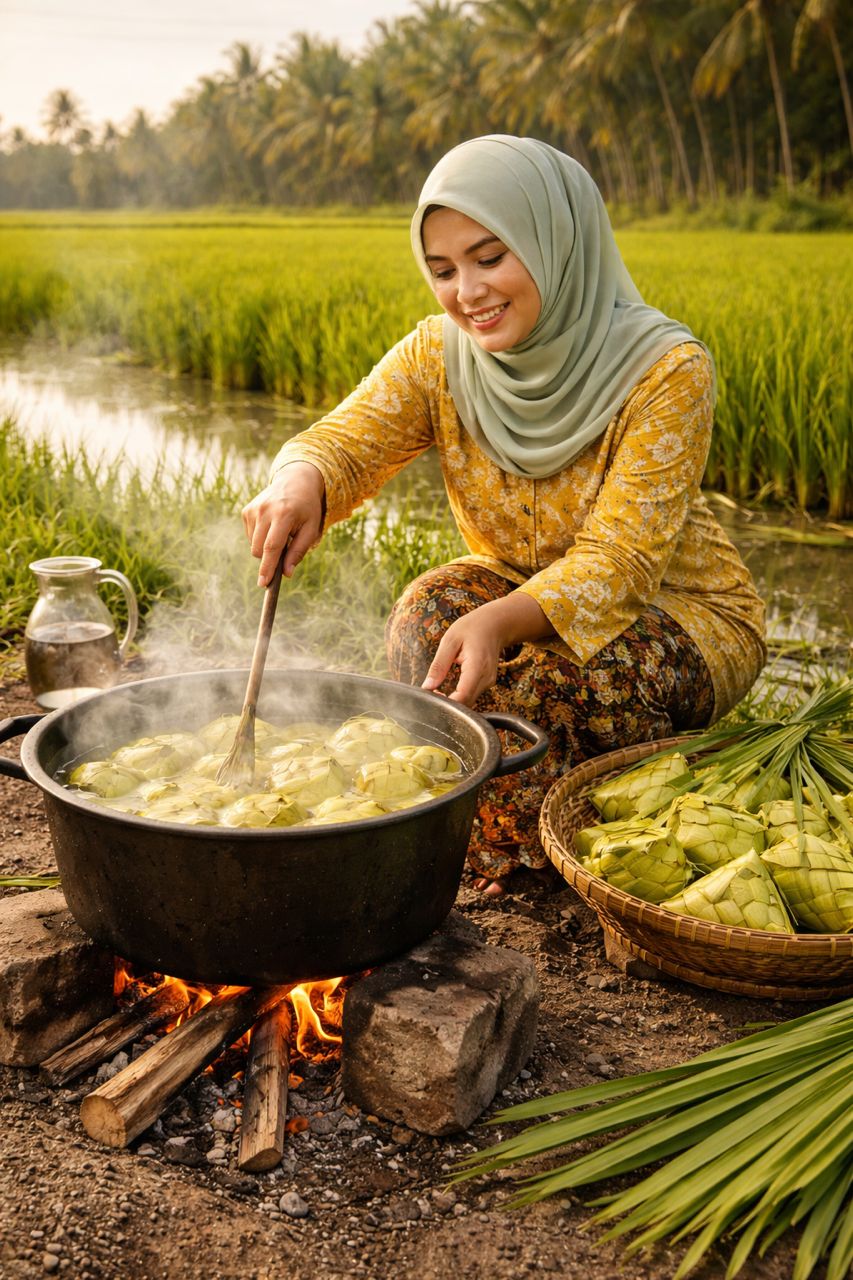
IPOH: Ketupat remains an essential dish during Aidilfitri celebrations, not only as a traditional delicacy but also as a symbol of forgiveness and unity within Malaysia’s multi-ethnic society.
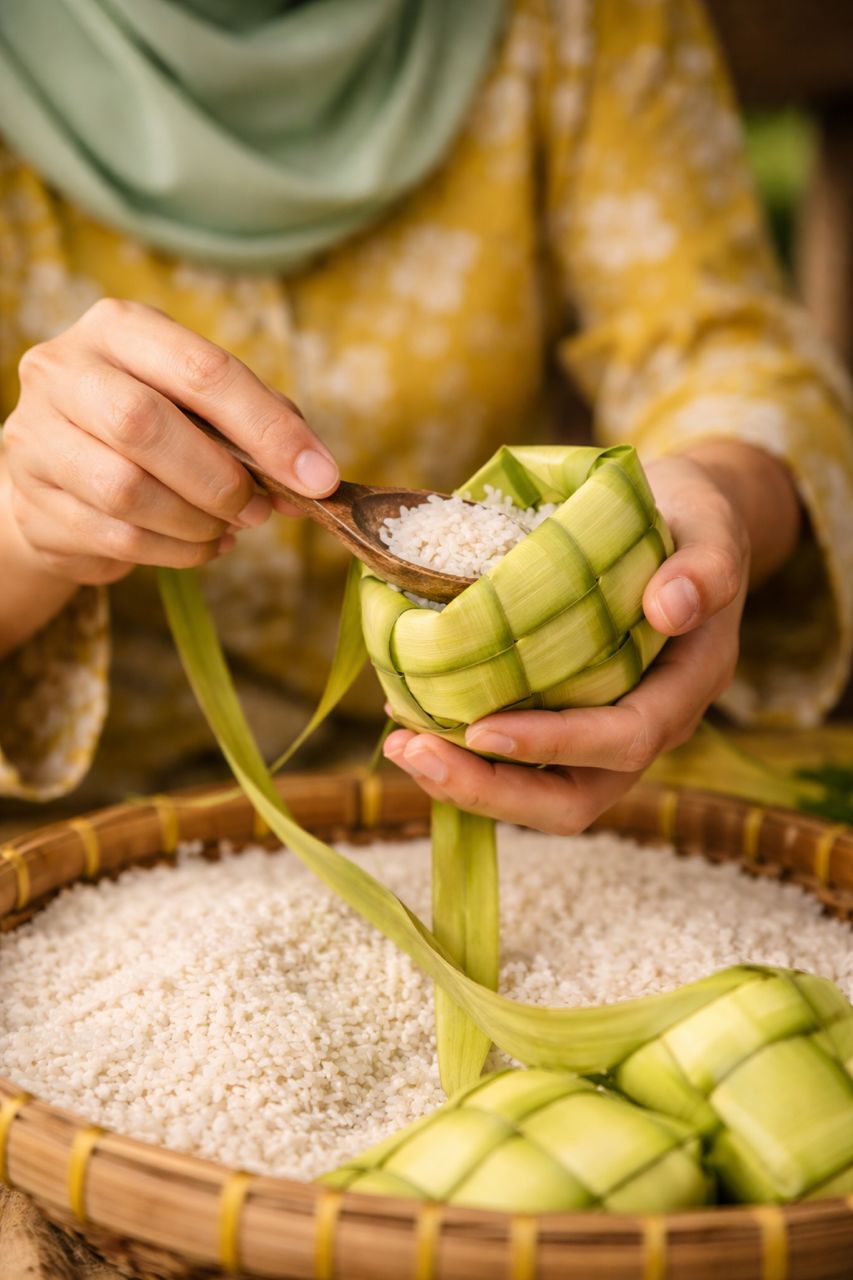
The rice dish, wrapped in intricately woven young coconut leaves, is more than just food—it carries deep cultural values and philosophies passed down through generations across the Nusantara region.
Interestingly, the tradition of ketupat is closely linked to Nusantara culture, particularly in Java, where it was popularised by renowned Islamic scholar Sunan Kalijaga around the 15th century.
The term ketupat, or ‘kupat’, is often associated with the philosophy of “ngaku lepat” (admitting one’s mistakes) and “laku papat”, which refers to four key practices—fasting, prayers, almsgiving (zakat) and maintaining ties of kinship.
The woven coconut leaves symbolise the complexity of human errors, while the white rice inside represents the purity of the heart after forgiveness is sought and granted, in line with the spirit of Aidilfitri.
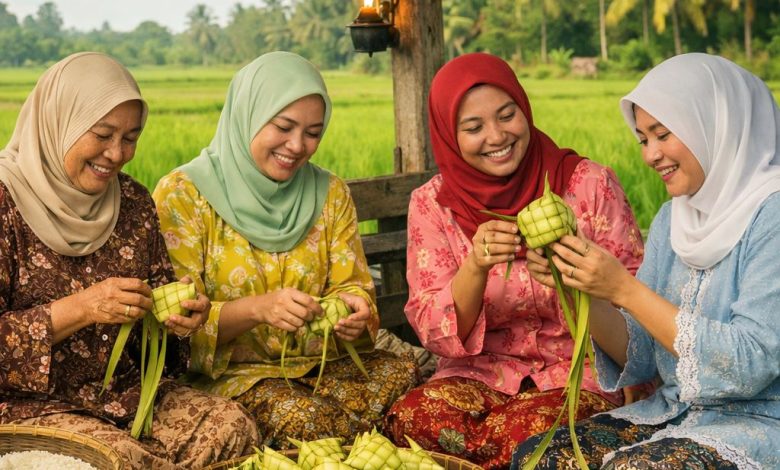
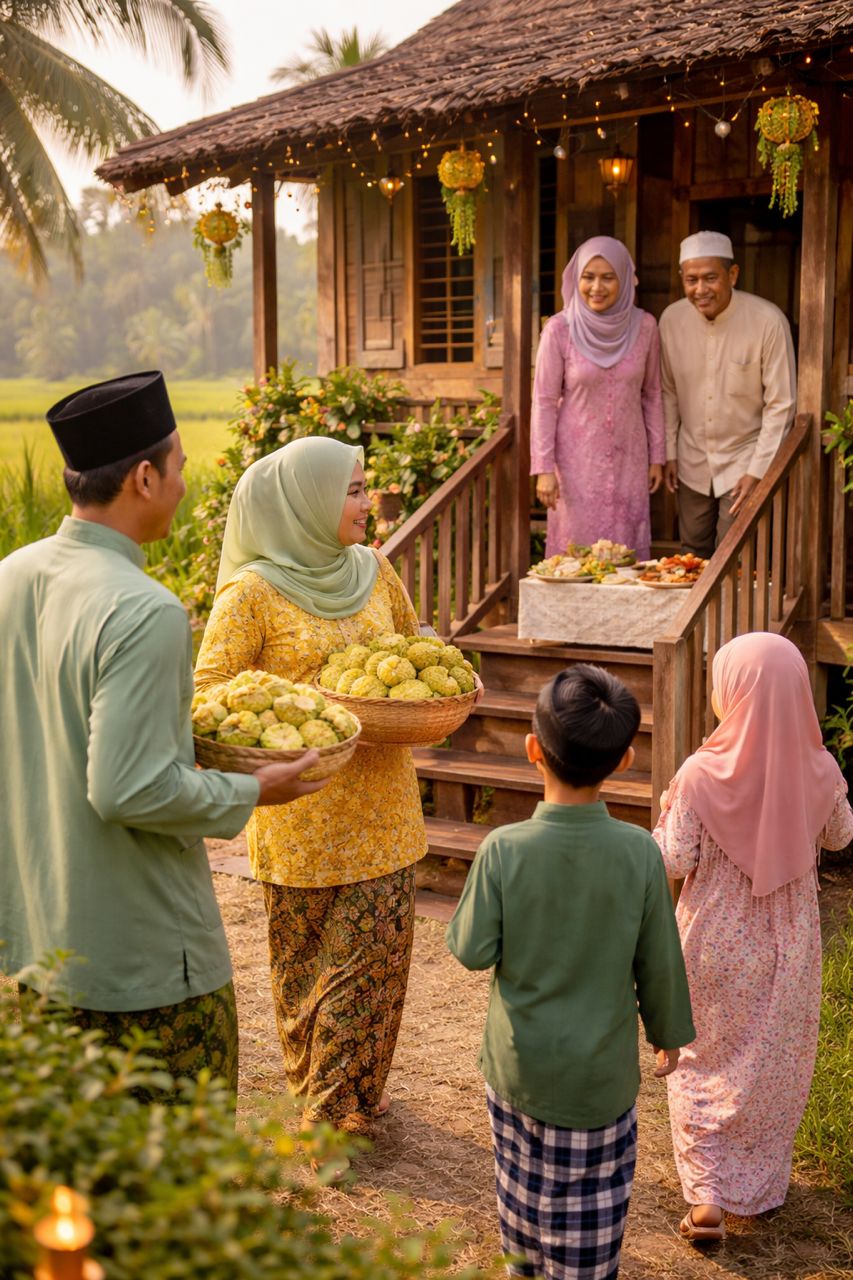
A survey found that demand for ketupat increases ahead of the festive season, with many opting to prepare the dish themselves with family members as a way to strengthen bonds and revive the kampung atmosphere.
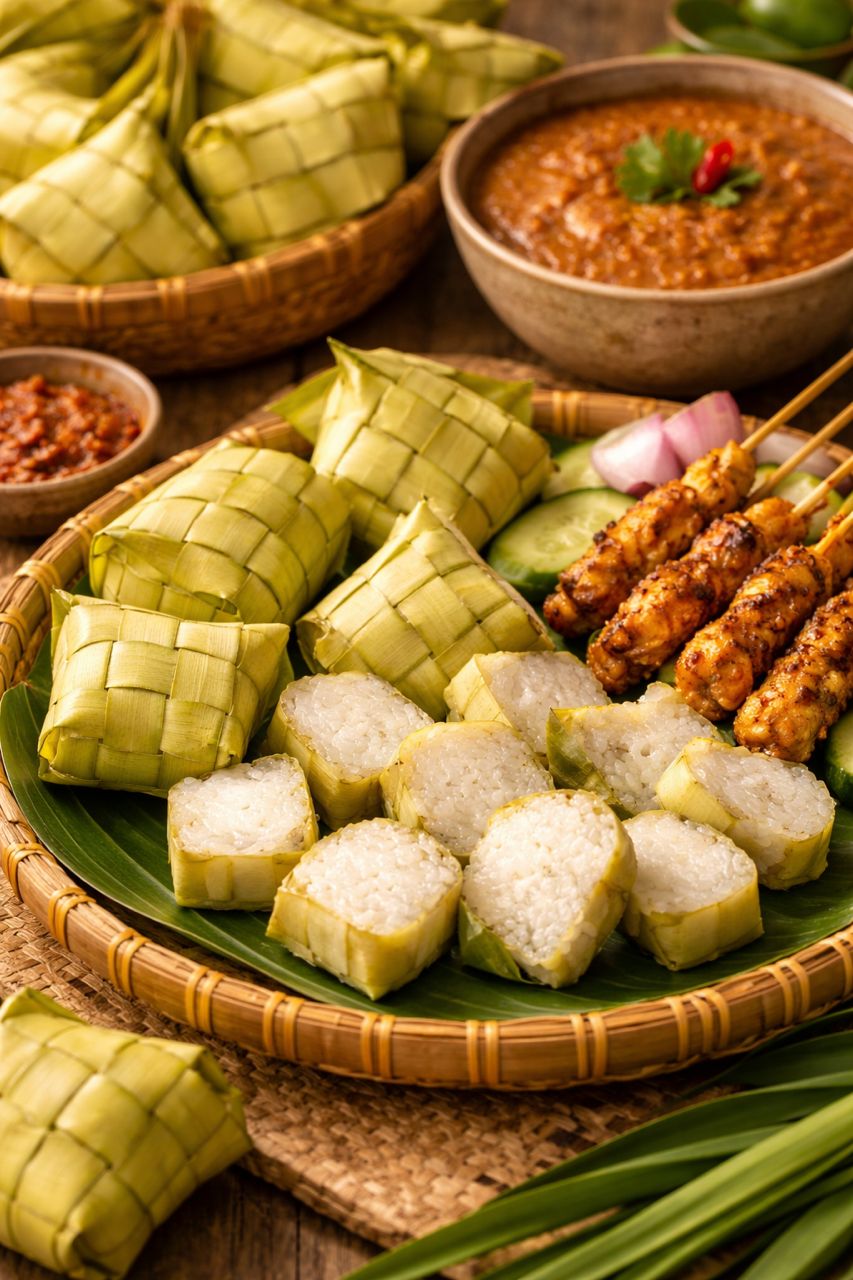
Apart from ketupat nasi, popular varieties include ketupat palas made with glutinous rice and palas leaves, as well as modern adaptations that cater to contemporary tastes without compromising the dish’s traditional essence.
Trader Zaleha Sidek, 65, said sales of coconut leaves and glutinous rice nearly double in the lead-up to Aidilfitri due to strong demand from customers.
“Ketupat is inseparable from Hari Raya. Despite the abundance of modern dishes, it remains a top choice, best enjoyed with peanut sauce or rendang,” she said.
“Ketupat is not just food, but a symbol of heritage that must be preserved so it is not lost to the tide of modernisation.
“The younger generation needs to be exposed to the skill of weaving ketupat so that the tradition continues to thrive and remains relevant for future generations,” she added.