14th ASEAN and 11th Perak Health Congress Addresses the Future of Primary Health Care

By Anne Das
Healthcare systems across Malaysia and the ASEAN region are facing growing pressure from demographic changes, evolving disease patterns, rapid technological development and rising public expectations.
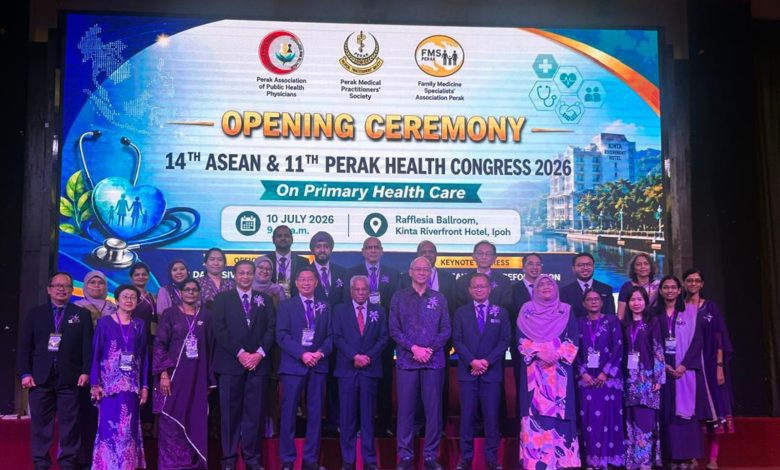
These challenges formed the focus of the 14th ASEAN and 11th Perak Health Congress on Primary Health Care, held from 10 to 12 July 2026 at the Kinta Riverfront Hotel & Suites in Ipoh.
The three-day congress was jointly organised by the Perak Medical Practitioners’ Society (PMPS), the Perak Association of Public Health Physicians (PAPHP) and the Family Medicine Specialists’ Association Perak (FMSA Perak).
It brought together 330 healthcare professionals, policymakers, researchers, academics and industry representatives to examine the future of healthcare delivery.
Discussions centred on the role of primary healthcare in meeting the changing needs of communities.
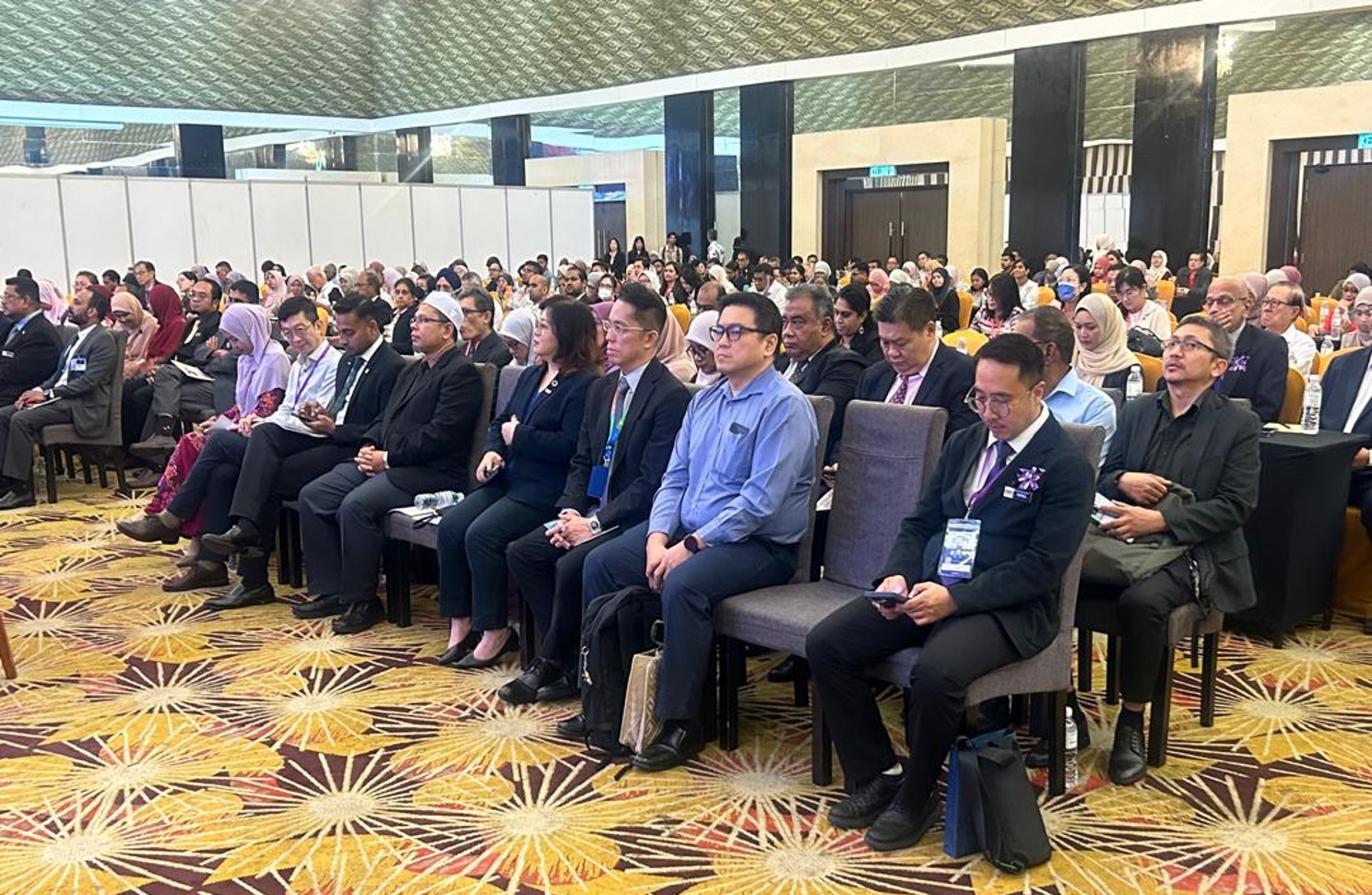
Under the theme “Health Sector Transformation: Challenges Moving Forward,” delegates considered how healthcare services can become more resilient, responsive and people centred.
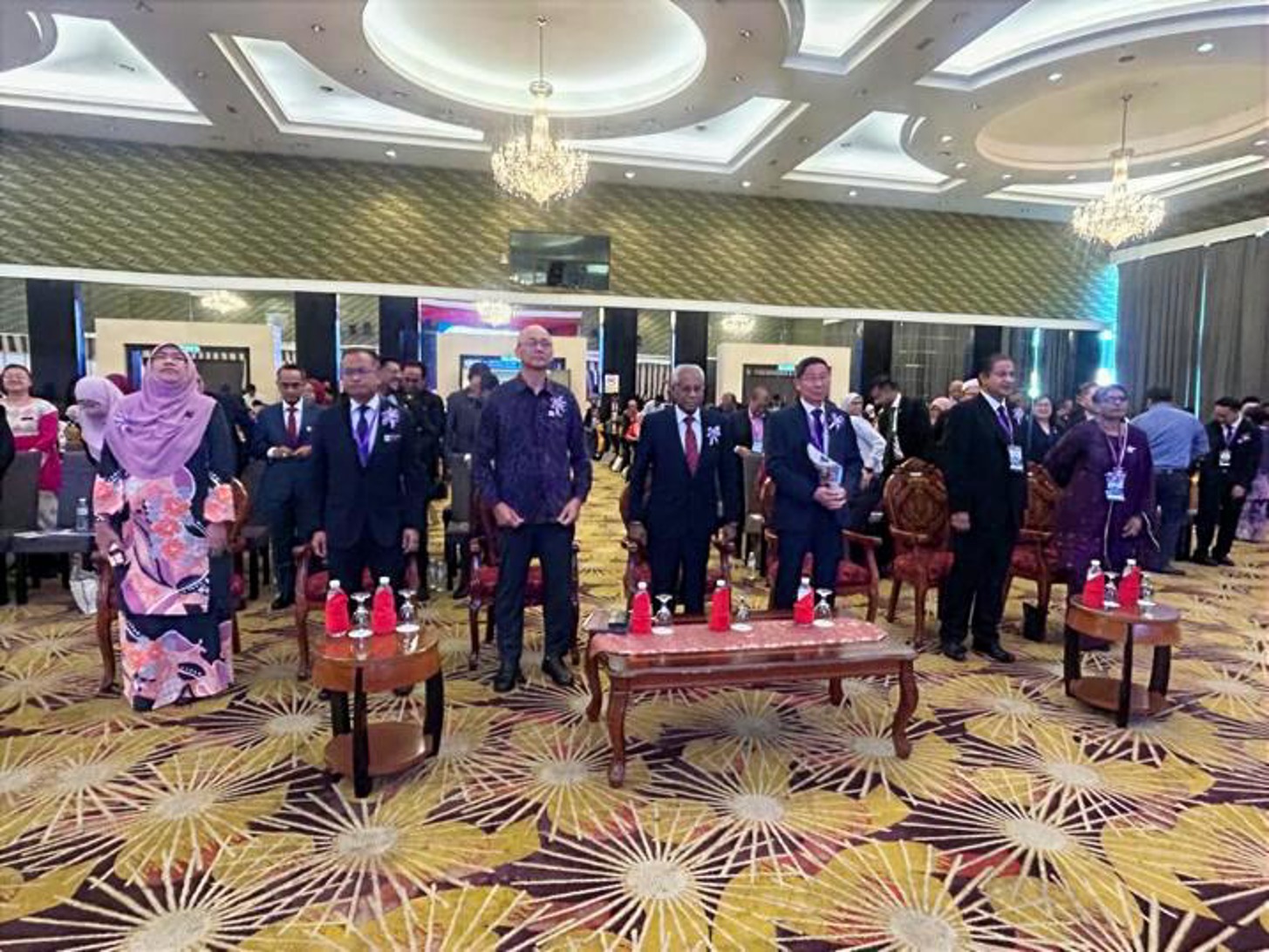
The congress was officially opened by YB Dato’ Sivanesan A/L Achalingam, Perak State EXCO for Human Resources, Health, Indian Community Affairs and National Integration.
Also present were Director-General of Health Malaysia Datuk Dr Mahathar Abd Wahab, Perak State Health Director Dato’ Dr Feisul Idzwan bin Dato’ Mustapha and Organising Chairman Dr Yee Meng Kheong, who is also PMPS President-Elect.
Datuk Dr Mahathar delivered the keynote address titled “Visionary Health Care Reformation” during the opening ceremony at the Rafflesia Ballroom on 10 July.
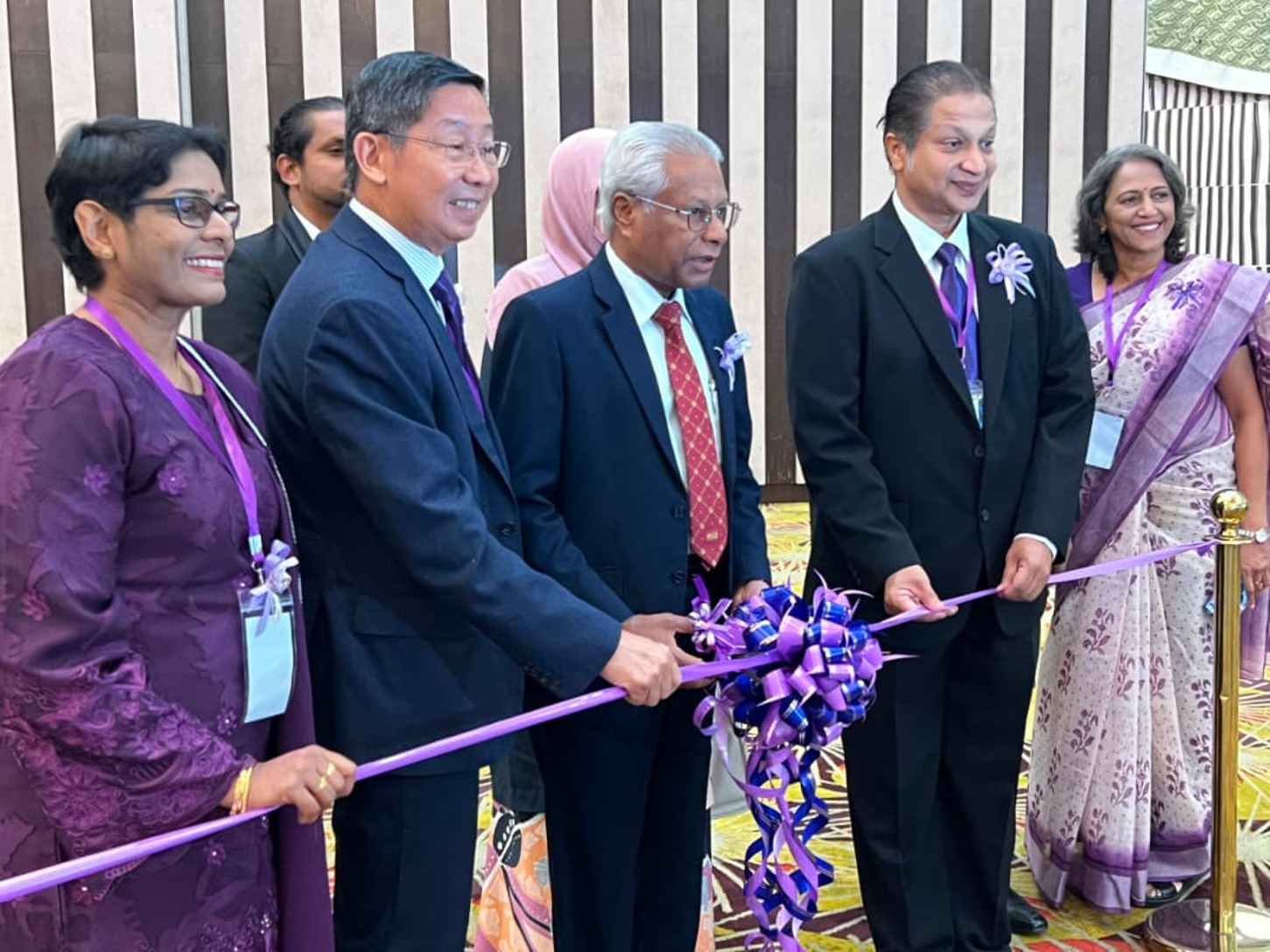
YB Dato’ Sivanesan said primary healthcare remained the foundation of a strong and sustainable healthcare system.
“By strengthening primary care, we improve disease prevention, promote early diagnosis, enhance continuity of care and ultimately improve the health and wellbeing of our communities,” he said.
Primary healthcare brings essential health services closer to communities. It covers preventive care, health screenings, early diagnosis, routine treatment and the continued management of chronic conditions such as diabetes and high blood pressure.
For many patients, family doctors, general practitioners and government health clinics are the first point of contact with the healthcare system.
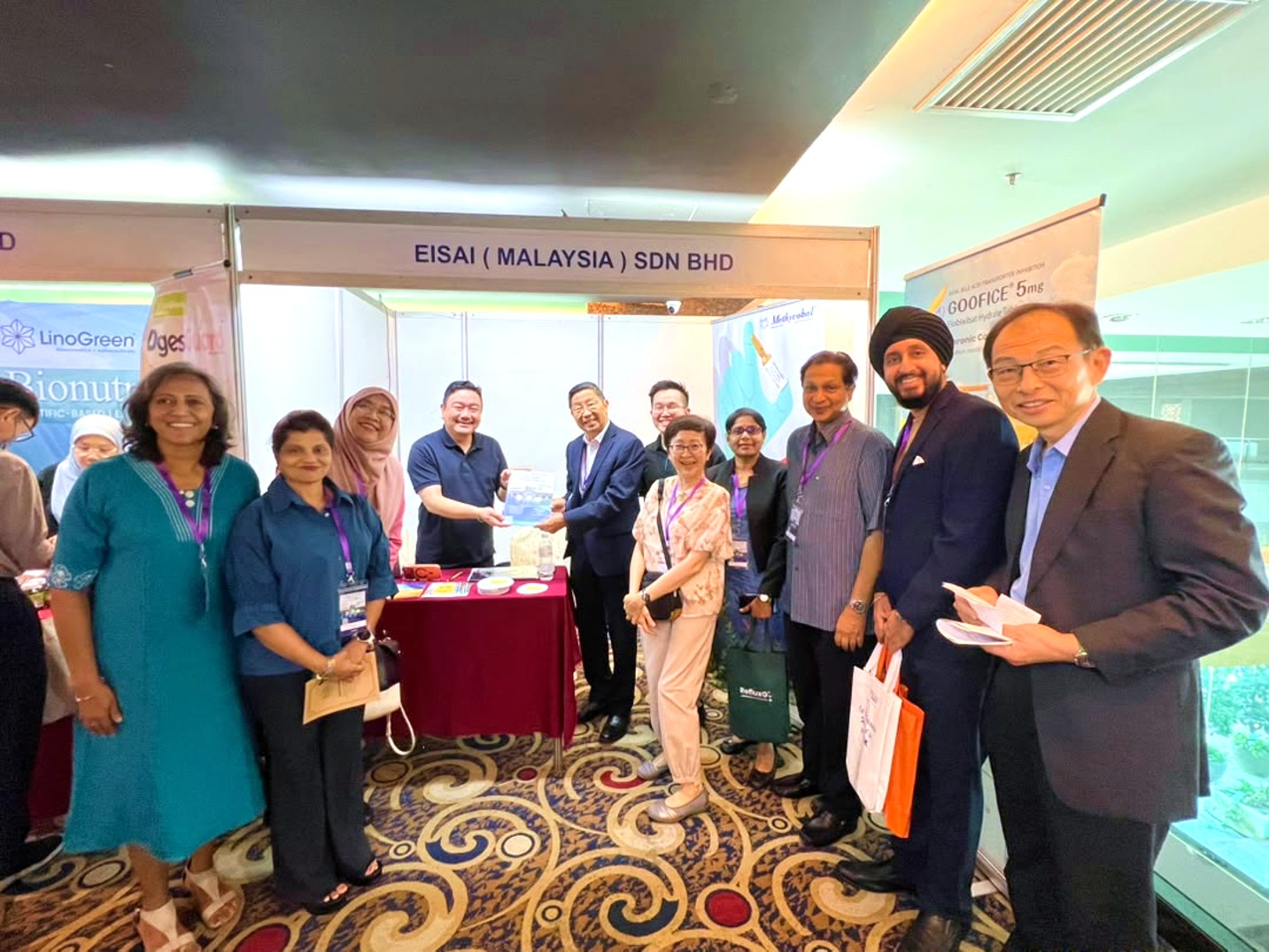
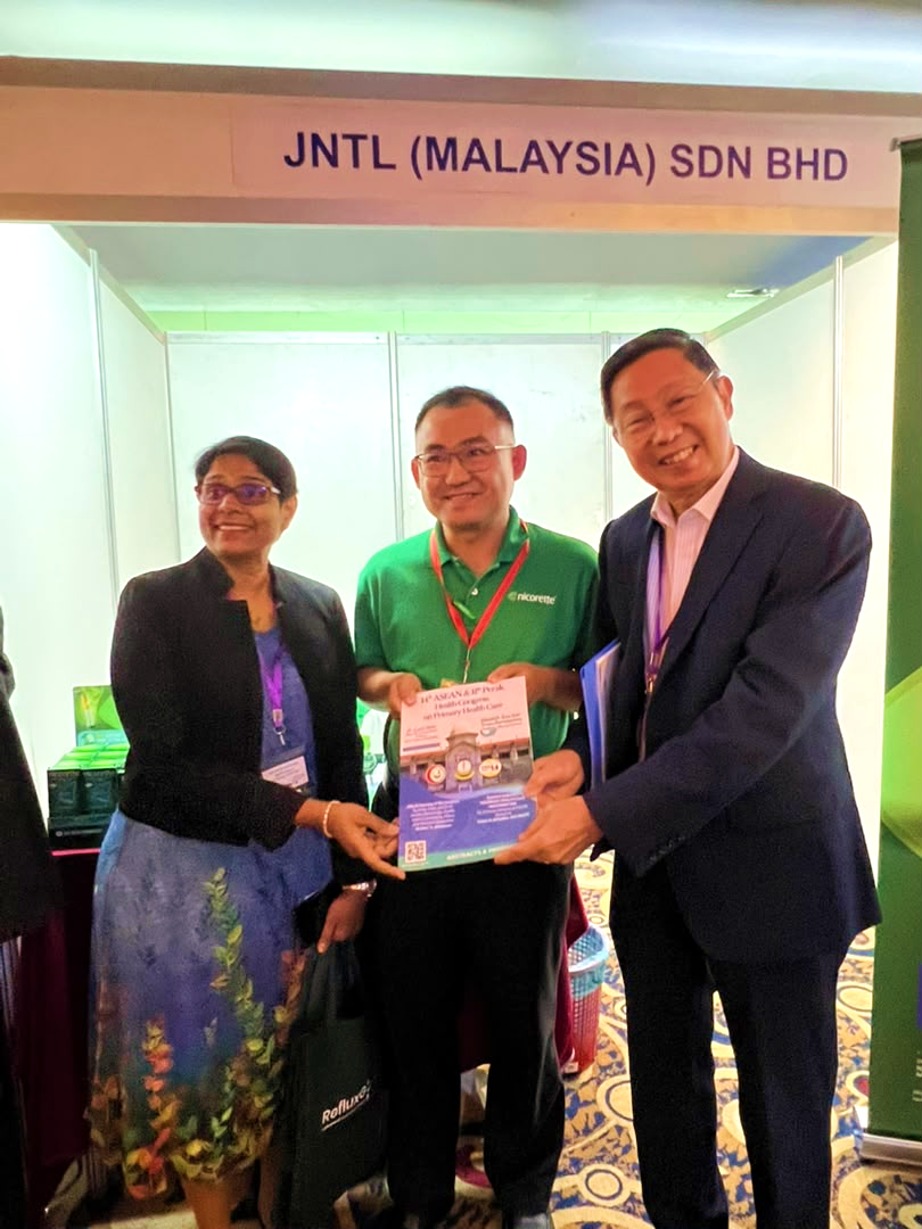
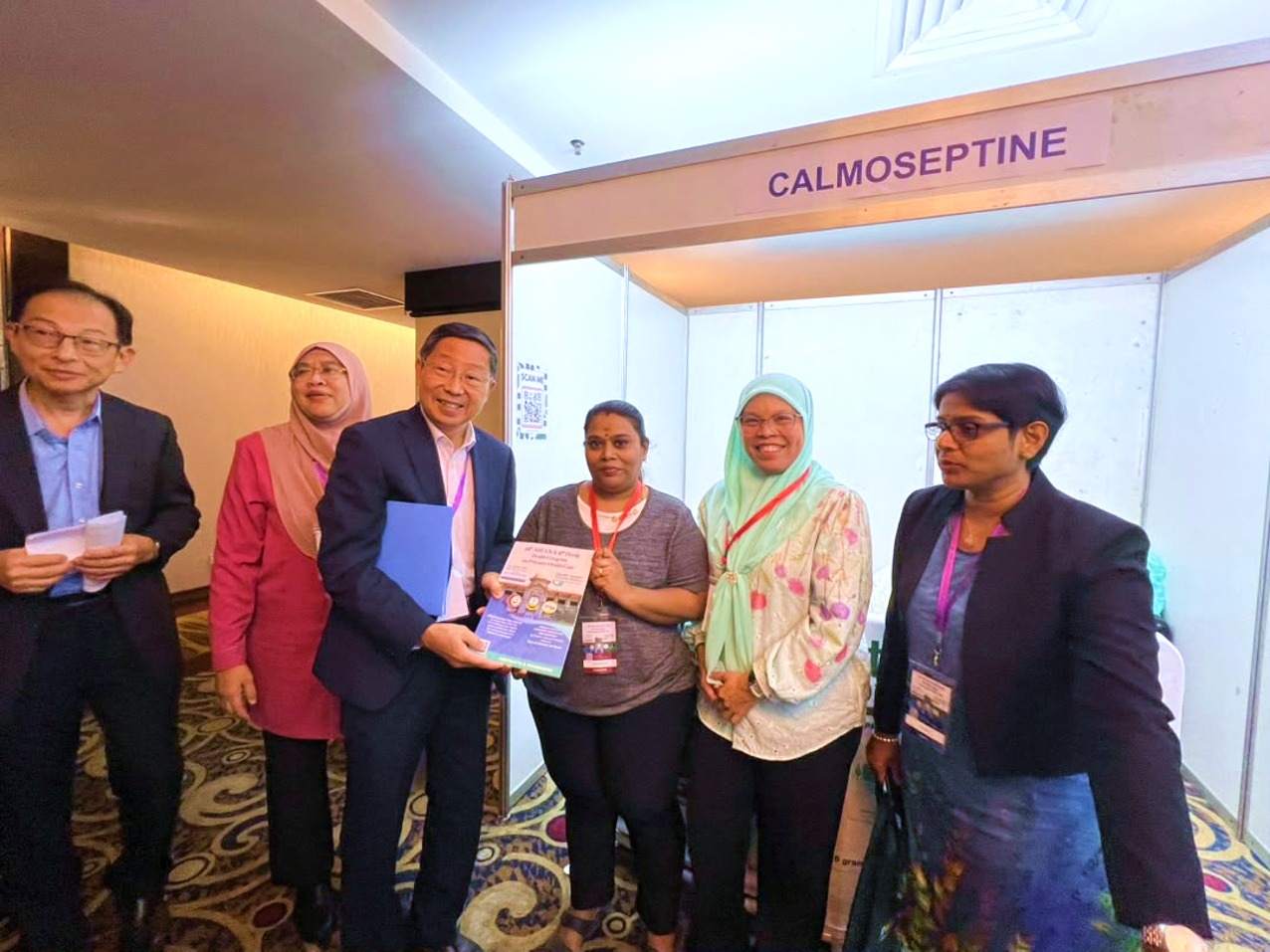
Against this backdrop, the scientific programme comprised four plenary sessions, 13 scientific symposia, free paper and poster presentations, as well as a healthcare trade exhibition.
Delegates discussed digital health, preventive medicine, infectious diseases, mental health, healthy ageing, paediatrics, women’s health, emergency medicine and dermatology.
Across the sessions, delegates considered how healthcare delivery must adapt to changing patient needs. They also examined how services can remain effective and coordinated as demands on the system grow.
For the community, stronger primary healthcare can mean earlier detection of illness, better follow-up and improved access to treatment closer to home.
Effective services at clinic and community levels can also ease pressure on hospitals by addressing medical conditions before they become more serious.
YB Dato’ Sivanesan expressed hope that the congress would generate practical solutions and strengthen cooperation among healthcare professionals across Malaysia and the ASEAN region.
Ultimately, the congress centred on a clear priority: strengthening the services people rely on first and ensuring that primary healthcare remains equipped to meet future demand