By Rosli Mansor Ahmad Razali
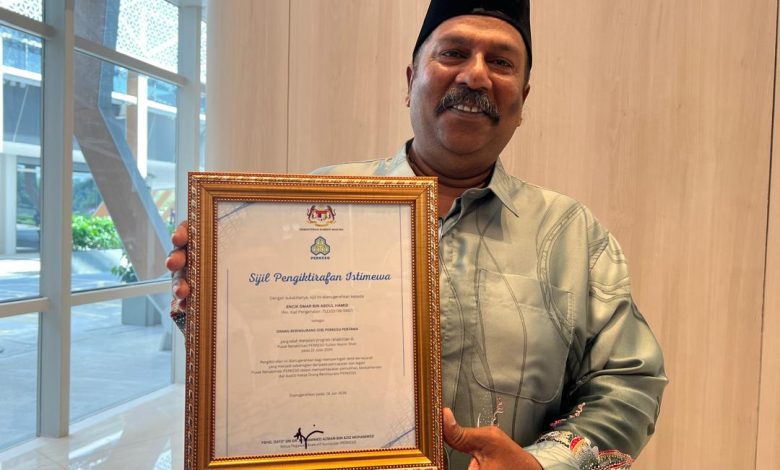
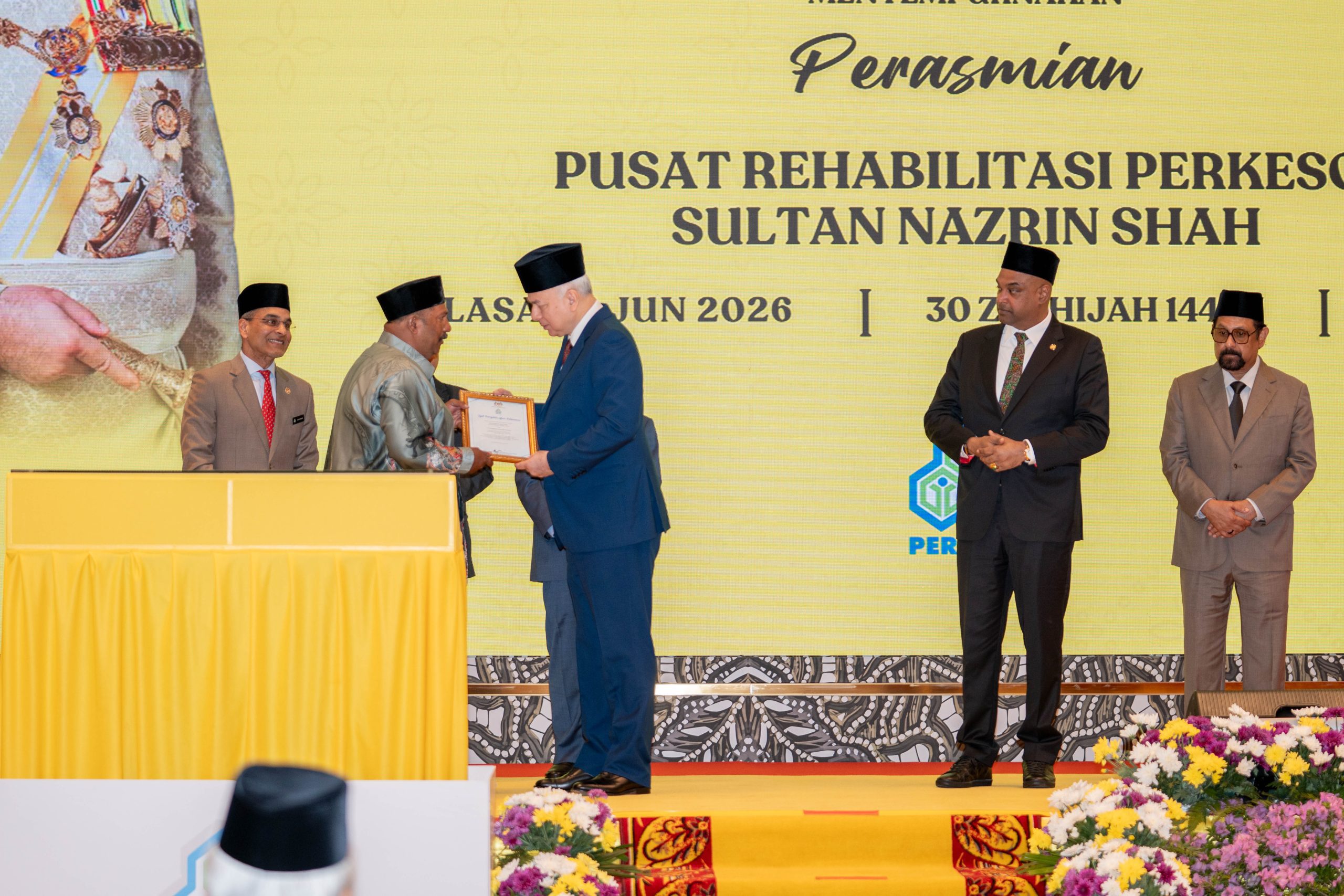
IPOH: A patient who underwent treatment at the Sultan Nazrin Shah PERKESO Rehabilitation Centre (PRPSNS) here has described the facility as one of the world’s best rehabilitation centres after successfully returning to work as a security guard following a serious road accident.
Omar Abdul Hamid, 55, said he was among the first group of patients to receive treatment at the centre in July 2025 when the facility was still in its early operational phase.
He recalled that only one block was open at the time, with patients housed in wards under strict regulations and structured rehabilitation schedules.
“I was fortunate to be among the earliest patients admitted here. At that time, only one block was operating, and we were placed in wards, with some sharing rooms while others stayed alone.
“The rules were quite strict. We were not allowed to move around freely and all activities, including physiotherapy sessions at Block B, were fully scheduled before we returned to the ward,” he said when met recently.
Omar said he underwent treatment for about six weeks before showing significant improvement and eventually returning to work.
The accident occurred while he was riding his motorcycle when a vehicle suddenly entered his path, causing a severe injury to his right arm.
“I suffered a serious fracture to my right elbow involving three separate sections and had to undergo surgery to insert plates and screws.
“At first, I could not move my arm at all, but after undergoing treatment and physiotherapy, my condition gradually improved,” he said.
Although he is still unable to lift heavy objects, Omar said his physical condition has improved significantly, and he continues to perform exercises recommended by his physiotherapists.
He also praised the centre’s facilities and treatment technologies, describing them as highly advanced and instrumental in helping patients achieve holistic recovery.
“In my view, this is one of the best rehabilitation centres in the world. There are many facilities that I never expected to see, including robotic rehabilitation technology.
“I personally saw stroke patients who initially could not move and depended entirely on their family members, but after several weeks of treatment, they were able to walk again,” he said.
According to clinical records, Omar, who has worked as a security guard at Universiti Tunku Abdul Rahman (UTAR) in Kampar for the past 16 years, was involved in a road accident in May 2025 that resulted in multiple complex injuries to his right upper limb.
He was diagnosed with a closed fracture of the right olecranon, coronoid fracture and impacted fracture of the radial head before being admitted to PRPSNS from July 22 to August 29, 2025, for an intensive rehabilitation programme.
Before treatment, he experienced significant pain, restricted movement in his shoulder, elbow and wrist, as well as reduced grip strength.
However, following the rehabilitation programme, Omar recorded substantial improvements, including reduced pain levels, increased arm strength and the ability to perform daily activities independently.
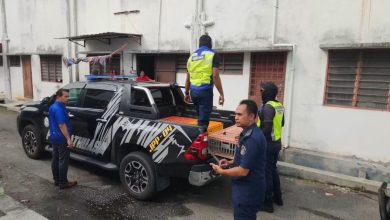
Most notably, he has since resumed his duties as a full-time security guard at UTAR, carrying out security monitoring, access control and incident management responsibilities without any physical limitations.
“I am grateful for the treatment and support I received here. The programme not only helped me recover physically but also enabled me to regain my confidence and return to work,” he said.