
By Aida Aziz
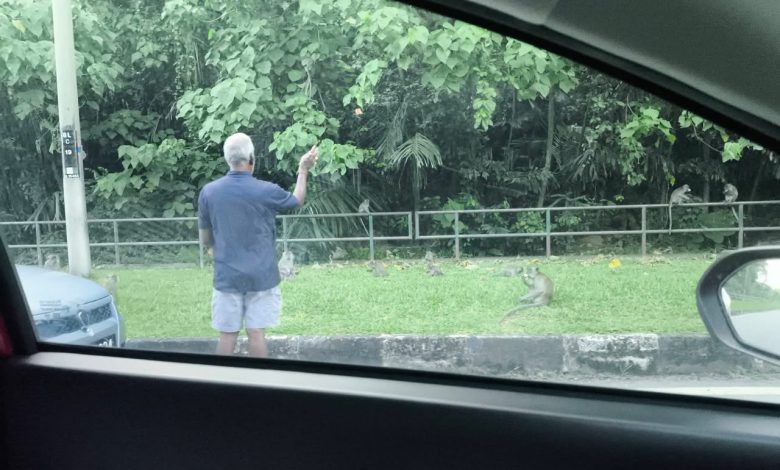
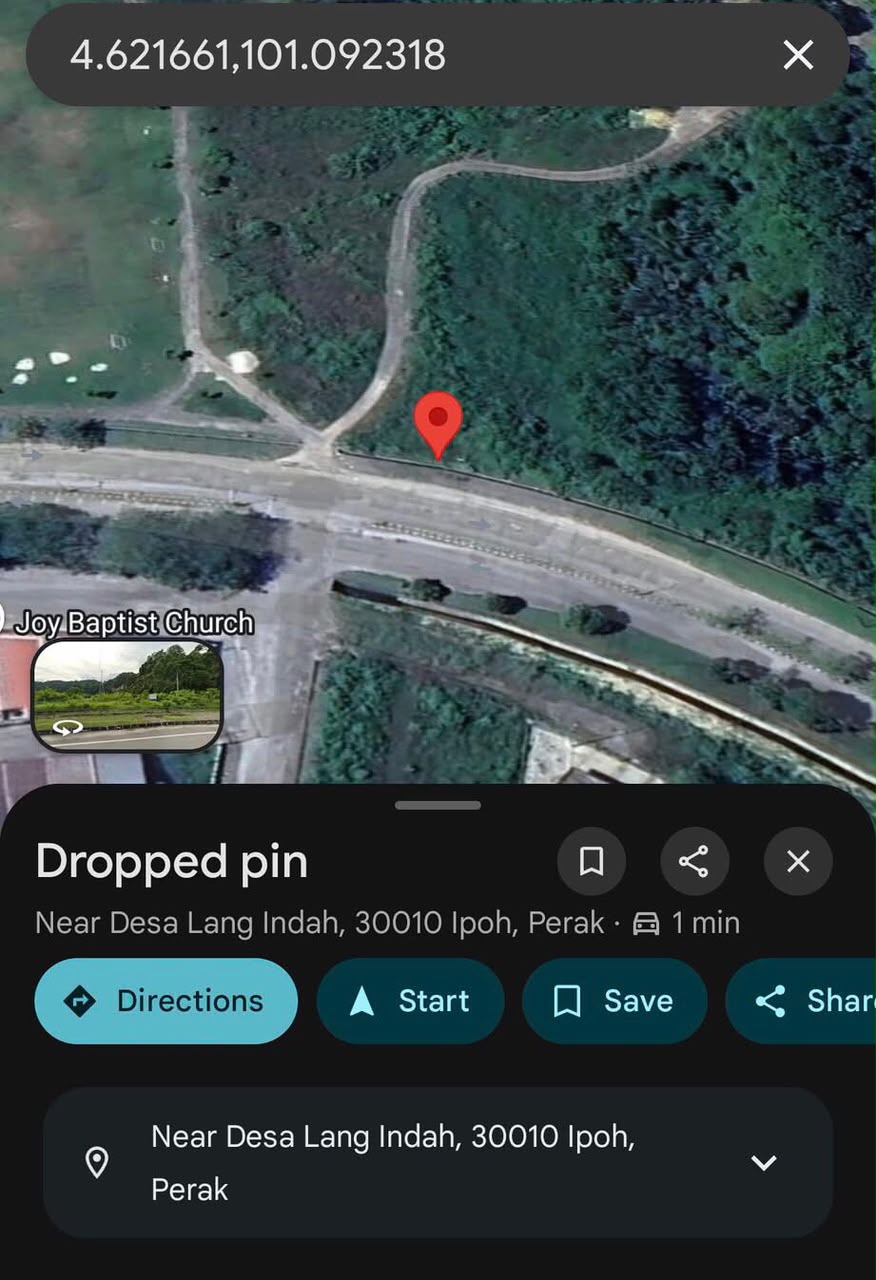
IPOH: Many people continue to ignore repeated warnings against feeding wild monkeys around the Gunung Lang area at coordinates 4.621867, 101.092272.
The practice has been prohibited because it not only causes wildlife to become dependent on human-provided food but also alters their natural behaviour and can make them more aggressive when food is unavailable.
A complainant said the situation had worsened as a troop of monkeys had begun entering residential areas near Gunung Lang.
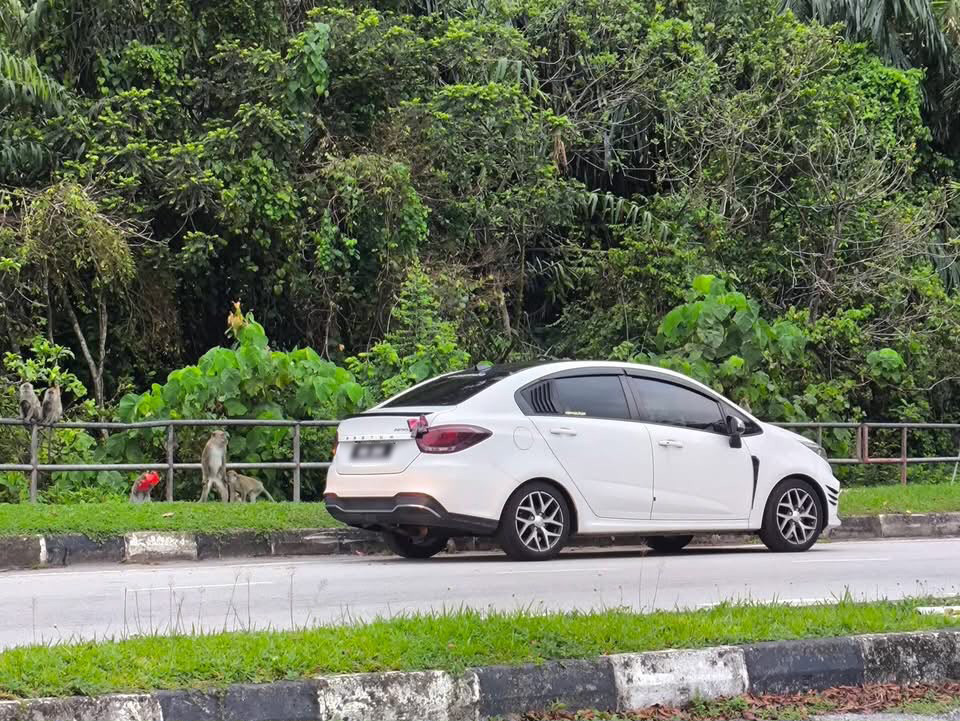
Residents are increasingly concerned after some monkeys were spotted walking on the roofs of several houses in the area.
More disappointing was that the complainant’s good intentions in raising awareness of the risks of feeding the monkeys were viewed by some as inhumane, while others responded with sarcasm.
“I often pass through this area and have noticed visitors feeding the wild monkeys.
“Such activities can cause wildlife to become dependent on food provided by humans, alter their natural behaviour and increase the risk of conflict between humans and wildlife.
“There have also been reports that monkeys from this area have disturbed nearby residential areas.
“Continuous feeding by visitors could cause the monkeys to increasingly associate humans with a source of food.
“This situation has the potential to worsen the nuisance and increase interactions between the monkeys and local residents,” the complainant said.
The complainant said the problem had persisted since early last year, following reports by Ipoh Echo/Peraktastic on aggressive monkeys at the Gunung Lang Recreational Park, which also received a response from the Ipoh City Council (MBI).
“MBI had previously taken action by capturing several monkeys to control the situation. However, there are still individuals who ignore the warnings and continue feeding the monkeys,” the complainant said.
Meanwhile, some Ipoh residents have voiced their support for the ban and urged the public to understand its consequences.
“Every species has different behaviour. Monkeys will ask for more food once they learn that food can be obtained from humans.
“Instead of asking the complainant to mind their own business or stop being a busybody, it is more important for the public to care about scientific knowledge and understand monkey behaviour,” the resident said.
Another resident said wildlife should be observed and admired, rather than having their natural behaviour interfered with or disturbed.
Therefore, if you still believe that feeding wild monkeys is a wise thing to do, you are actually contributing to various problems affecting wildlife in the forest.
The negative consequences include creating an unhygienic environment, disrupting their natural diet and increasing the risk of wildlife being hit by vehicles.
It can also create the perception among monkeys that humans are a source of food, potentially causing them to become aggressive when food is not provided.
This could eventually result in monkeys being blamed when attacks occur, even though such behaviour may have been triggered by habits created by humans themselves.