
By: Rosli Mansor Ahmad Razali
IPOH: Perak could become a high-tech digital infrastructure hub with a proposed large-scale artificial intelligence (AI) data centre planned to exceed 100 megawatts (MW) in power capacity.
The Perak State Development Corporation (PKNPk) and Global Vision Lab Sdn Bhd (GVL) are exploring the proposal to meet growing demand for AI computing, high-performance computing (HPC), and graphics processing unit (GPU)-based applications in Malaysia and the region.
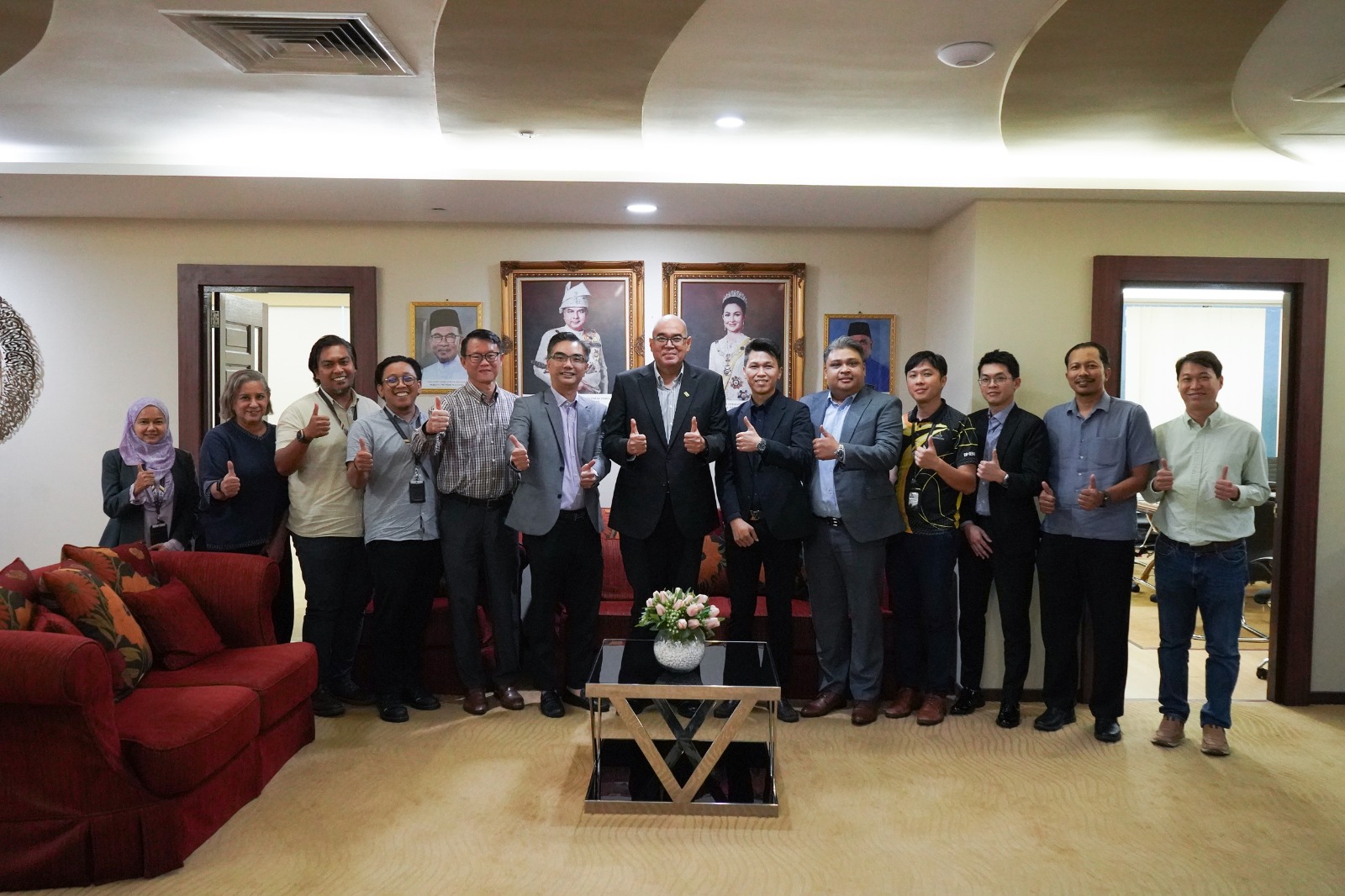
As an initial step, both parties have signed a Non-Disclosure Agreement (NDA) and a Letter of Consent to facilitate information exchange and preliminary assessments of the project’s technical, infrastructure and commercial potential.
PKNPk chief executive Datuk Redza Rafiq said the initiative was in line with the state’s efforts to broaden its economic growth base through high-value technology activities.
He said the proposal also supported the Perak Sejahtera 2030 aspiration and could position the state as a destination for high-tech digital infrastructure development, strengthening its role in Malaysia’s and Asean’s digital ecosystem.
The project could also create opportunities for highly skilled employment, strengthen the local technology supply chain and expand AI applications in sectors such as manufacturing and logistics.
“At this stage, PKNPk will focus on assessing the potential economic value the project could generate for the state, as well as opportunities for local talent and businesses to participate,” he said.
Under the proposed collaboration, PKNPk will coordinate the involvement of state-level stakeholders, while GVL will lead development planning and coordinate technical and commercial assessments.
ITMAN Service Center (M) Sdn Bhd and Future Quantum Co Ltd have also been identified as project partners, with their respective roles and contributions to be detailed based on the project’s final arrangements.
Meanwhile, GVL executive director Y.L. Lee said rising demand for generative AI and high-performance computing had made robust and flexible digital infrastructure increasingly important.
He said the collaboration with PKNPk and its project partners would enable the parties to assess the requirements needed to ensure the proposed data centre met regional market demand.
“Our current focus is on evaluating operational requirements and commercial considerations to identify a viable development model,” he said.
The preliminary assessment will cover site suitability, electricity supply availability, cooling systems, network connectivity and other related infrastructure requirements.
If feasibility assessments confirm the project’s viability, the development could attract technology investments and create opportunities for local companies to supply goods and services within the data centre supply chain.
However, the proposed capacity of more than 100MW remains a planning target and has yet to be finalised.
The project’s scope, investment commitment, construction arrangements, power supply and implementation timeline will depend on the assessment findings, the signing of definitive agreements and approval from the relevant authorities.